
By: STAGE IIX, editorial staff
For decades, luxury retail followed a familiar formula. Scarce products, controlled distribution, and attentive service helped separate premium purchasing from ordinary commerce. Digital retail has changed that structure. A customer can now study a handbag from multiple angles, compare prices, read commentary, and purchase from a phone.
That shift raises a broader question about the luxury shopping experience. If access to products becomes easier, where does exclusivity come from?
The Psychology Behind a High-Value Purchase
At the highest end of the market, a purchase is rarely about function alone. The object may be beautifully made, but what gives it meaning is often more complex: provenance, craftsmanship, rarity, service, authorship, and the sense that the piece carries a point of view worth owning.
That is where luxury begins to separate itself from ordinary commerce.
Conventional e-commerce is designed around efficiency. Remove friction, shorten the path, complete the transaction. Luxury can operate differently. The experience may allow more room for discovery, conversation, context, and consideration, not because the purchase should feel difficult, but because it should feel intentional.
For an established maison, much of that meaning has already been built over generations. The name itself carries recognition, mythology, and trust before a client ever encounters the product.
An emerging house has to create that confidence more deliberately.
Its craftsmanship must be understood. Its design language must feel distinctive. Its materials, service, and point of view must collectively answer a quieter question every luxury customer eventually asks: Why is this worth choosing?
Personal attention cannot manufacture value where the product does not deserve it. But when the object itself is exceptional, the experience surrounding it can deepen its significance.
In that sense, luxury clienteling is not simply about access. It is about allowing the client to understand the object more fully what inspired it, how it was made, and why it was considered worthy of being created in the first place.
J.CHRISTOPH and Founder-Led Clienteling
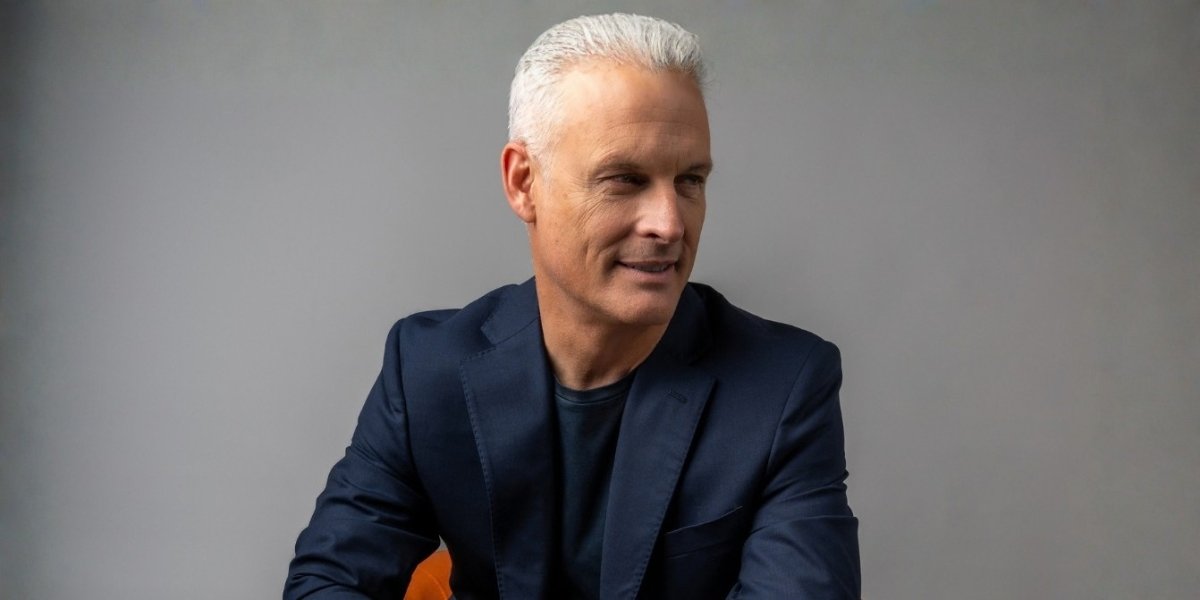
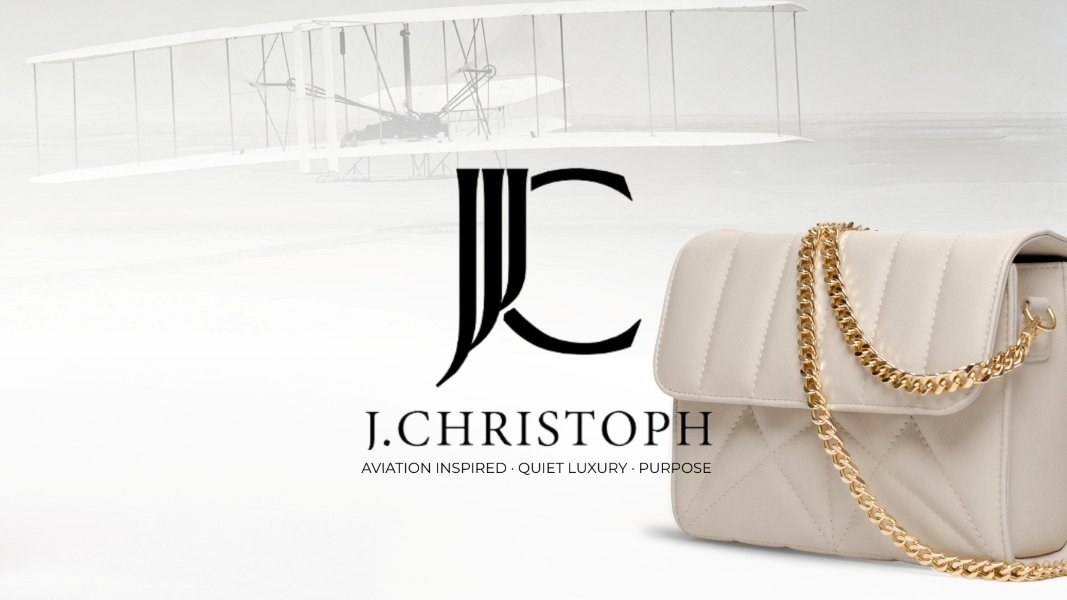
J.CHRISTOPH offers one example of this more considered approach to luxury service. Founded by Jared Lilje, a retired Air Force Special Operations pilot, the American handbag house draws from aviation history and translates that influence into pieces handcrafted in the United States.
For select designs, the client experience moves beyond conventional e-commerce. The Jacqueline, for example, is offered through a private online shopping process, creating space for a more personal introduction to the piece, its materials, its design references, and the story behind its creation.
Lilje describes the intention this way: “We wanted the purchase to feel like more than a transaction. People aren’t simply investing in an object; they’re investing in a story, an impact, and something that reflects their values. That experience matters.”
That philosophy is closely tied to the founder himself. Lilje’s transition from military aviation into luxury fashion brings an unusual perspective to the brand, one shaped by precision, preparation, service, and attention to detail.
In a founder-led house, that perspective can become part of the client experience rather than remaining hidden behind the product. Private access creates the opportunity for context: why a material was selected, what a structural detail references, the story behind why a particular woman in aviation inspired a design, the impact the purchase is intended to support through the brand’s commitment to anti-human trafficking organizations, and how those choices contribute to the identity of the piece.
The distinction is subtle but important. The goal is not simply to make a product harder to purchase. It is to make the experience of acquiring it feel more informed, personal, and deliberate.
For an emerging luxury house, that kind of clienteling can become part of the brand architecture itself, allowing the relationship surrounding the object to carry the same level of intention as the object being purchased.
When the Product Carries a Story
The Jacqueline illustrates how J.CHRISTOPH connects storytelling with product. The handbag is named for aviation pioneer Jacqueline Cochran and draws design references from aircraft associated with her career. J.CHRISTOPH says the bag uses grade-one American alligator leather, nubuck suede lining, and sterling silver branding, and is handcrafted in the United States.
That story does not make the product valuable by itself. It gives the customer context. In a private luxury shopping experience, that context can become part of the conversation rather than remaining background copy on a screen.
A Glamour Bulgaria feature provides an external example of J.CHRISTOPH appearing within a broader fashion context, helping place the label within the wider conversation around luxury style and presentation.
The company also connects its products to its “Carry Hope” mission, which focuses on awareness of human trafficking and support for organizations working in that area.
Luxury as a Relationship, Not Just Access
Digital commerce has not diminished luxury. It has simply changed where the luxury experience begins.
For J.CHRISTOPH, that experience extends beyond the transaction itself. Private shopping, founder access, aviation-inspired storytelling, thoughtful product context, and personalized service all contribute to a relationship that can feel more considered than a conventional checkout.
Not every luxury client will want the same degree of interaction, nor should they. The value lies in giving the client access to a more personal level of attention when it matters.
For an emerging house, that can be especially powerful. Established maisons benefit from decades of recognition and inherited trust. A younger brand has to build that confidence more intentionally – through the quality of the product, the consistency of the experience, and the way each interaction reinforces what the house stands for.
As luxury retail continues to blend digital discovery with personalized service, the distinction may matter less at the point of access and more in what happens afterward.
The future of luxury may not be defined simply by who is invited in, but by how thoughtfully they are received once they arrive.
Contact
More information about J.CHRISTOPH, its handbags, and private shopping options is available through the company’s official website and Instagram.