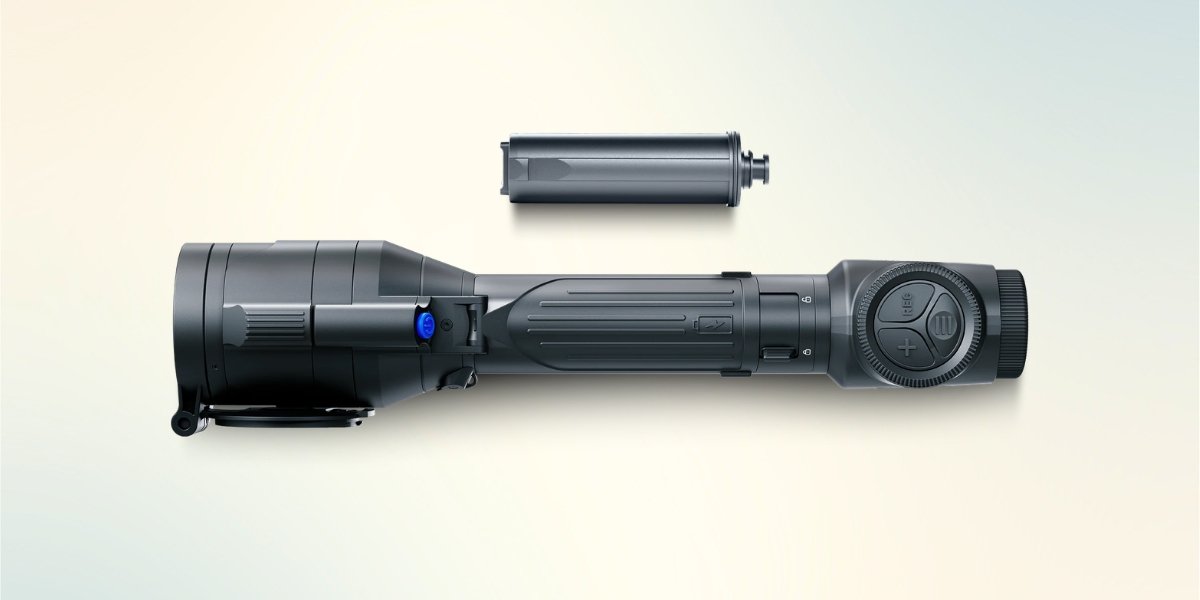

Over the last two decades, thermal and digital night vision tools have moved from narrow professional settings into wider civilian use. Advances in sensor design, lower production costs, and compact power systems allowed imaging devices to be carried by hunters, wildlife observers, and outdoor workers. As the market expanded, manufacturers began organizing products into long-running series rather than isolated models. This helped users understand which tools were meant for handheld observation, which were built for mounting, and which could adapt over time. These categories now define how thermal equipment is selected and used in the field.
Within this broader market shift, Pulsar developed several major product series that addressed different use cases while sharing core imaging technology. Operating under Yukon Advanced Optics Worldwide since the brand launch in 2009, development and production were centered in Lithuania with additional facilities in Latvia. By the early 2010s, the company had moved beyond basic device offerings and began releasing structured product families that could be updated over multiple generations without changing their basic purpose or handling style.
The Helion series became one of the primary handheld thermal monocular lines. These devices were designed for scanning terrain, tracking wildlife, and general observation without firearm mounting. Early Helion models focused on portability and basic heat detection, while later versions introduced higher resolution sensors, improved display quality, and onboard recording. Over time, wireless connectivity and expanded storage options were added. The handheld format remained consistent, allowing users familiar with earlier models to transition easily to updated versions while benefiting from internal upgrades.
Thermal binocular use grew alongside monocular demand, leading to the development of the Merger series. These units were designed for extended viewing sessions and better depth perception. While using thermal sensors similar to monoculars, the binocular design distributes the image display across both eyes, reducing fatigue during long periods of observation. Later Merger generations introduced higher resolution displays and reinforced housings to support outdoor use in varied weather. These updates reflected feedback from hunting and wildlife monitoring applications where stability and comfort mattered as much as detection range.
Mounted thermal systems followed a different design path, focusing on durability and precision. The Thermion series of riflescopes was created to resemble traditional optical scopes in shape and mounting style, making them compatible with common rifle platforms. Early Thermion models provided thermal targeting and digital reticles, while later versions added higher resolution sensors and integrated recording. Some models also included built-in laser range finding. Housing materials were designed to manage recoil and maintain zero across repeated use, which was a key requirement for mounted optics.
Alongside Thermion, the Talion series offered another approach to thermal riflescope design. While still built for firearm mounting, Talion models used a different external layout that emphasized compactness and weight balance. This series was intended to support users who preferred lighter systems while still requiring thermal detection at hunting distances. Like Thermion, Talion devices went through several internal updates that improved sensor sensitivity and image processing without changing the core form factor that users recognized.
One of the later developments in the product lineup was the Telos platform, which reflected changing expectations around device lifespan and upgrade cycles. Rather than replacing entire units, Telos was designed with modular components that could be updated as sensors and software improved. This approach aimed to reduce the need for full device replacement when new imaging technology became available. While still part of the thermal monocular category, Telos introduced a different product concept that focused on long-term adaptability instead of fixed generation cycles.
The modular design of Telos also addressed supply and service concerns. By separating core imaging modules from outer housings and power systems, maintenance and upgrades could be handled more efficiently. This design reflected broader electronics industry trends, where consumers increasingly expect products to remain usable through partial upgrades rather than complete replacement. While not all product lines followed this approach, Telos represented a shift in how thermal optics could be managed over longer periods of use.
Across all major series, internal technology followed similar development paths. Sensor resolution increased gradually, allowing clearer identification at longer distances. Processing electronics improved refresh rates and reduced lag. Display quality has also advanced, making prolonged viewing more comfortable. Battery systems shifted toward rechargeable and replaceable packs to support longer field sessions. These changes occurred across Helion, Merger, Thermion, Talion, and later Telos devices, even though each line targeted different tasks.
Product continuity played an important role in how these series were updated. Instead of introducing entirely new names, the company maintained established lines and revised internal components. This allowed dealers to explain upgrades without retraining customers on unfamiliar categories. It also supported accessory compatibility, such as mounting systems and charging equipment, which reduced transition costs for users upgrading from earlier models.
By the late 2010s and into the early 2020s, these product families had become stable reference points within the consumer thermal optics market. Hunters and outdoor users often selected devices based on whether they needed handheld scanning, binocular viewing, or mounted targeting. Modular platforms like Telos added another option for users focused on long-term flexibility. Although availability varied by region due to local regulations, the structure of these product lines remained consistent where civilian thermal optics were permitted.
From a market perspective, the presence of multiple defined series reflected the maturity of thermal imaging as a consumer technology. Instead of experimental releases, devices were built around established use patterns and updated in predictable cycles. This approach aligned with how other electronics industries manage product development, where steady refinement replaces abrupt redesign. Within this framework, Pulsar’s major series illustrate how thermal imaging moved into routine outdoor use through structured design rather than isolated technical breakthroughs.
As of early 2026, the brand continues to operate under Yukon Advanced Optics Worldwide with development and production centered in Lithuania and Latvia. The Helion, Merger, Thermion, Talion, and Telos lines remain part of the company’s approach to serving different field needs through specialized but interconnected product families. While individual models change over time, the categories they represent continue to shape how thermal and night vision equipment is selected and used across hunting, outdoor observation, and related civilian applications. The brand continues to function within the larger corporate structure established by Yukon Advanced Optics Worldwide, with Pulsar remaining its dedicated thermal and digital night vision platform.