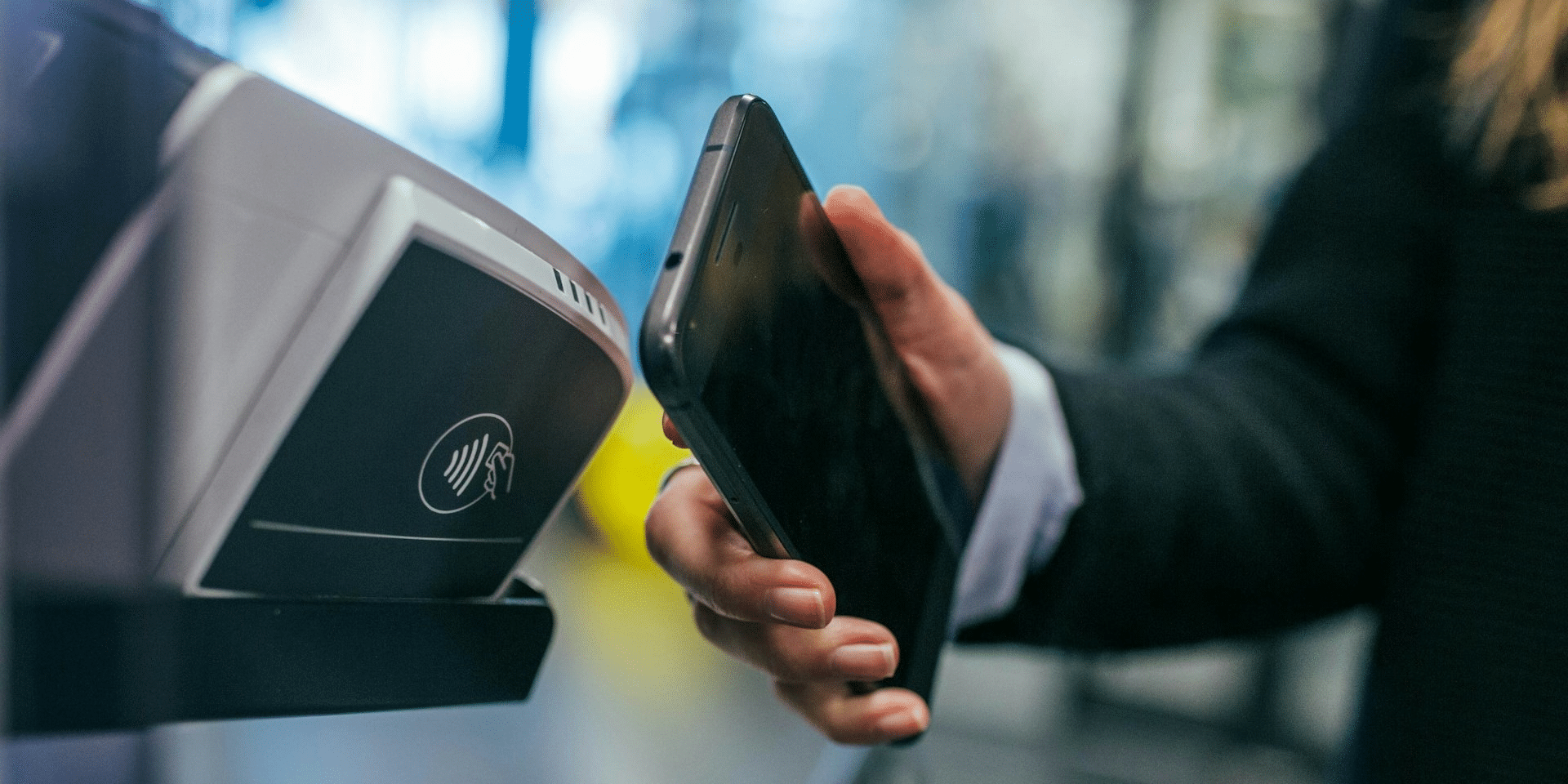

Mobile Phones as Everyday Companions
Mobile phones have become more than communication devices. They now serve as personal assistants, entertainment hubs, and tools for managing daily routines. From setting alarms in the morning to checking the weather before leaving home, mobile phones are integrated into the rhythm of everyday life.
According to SQ Magazine, 91 percent of the global population owned a mobile phone by early 2025, with average daily screen time reaching nearly five hours. This widespread use reflects how deeply mobile phones are woven into daily habits. They are no longer optional accessories but essential tools for staying connected and organized.
The convenience of mobile phones lies in their ability to combine multiple functions into one device. Instead of carrying separate tools for communication, entertainment, and productivity, people rely on a single device that adapts to their needs throughout the day.
Communication Made Simple
One of the most important roles of mobile phones is communication. Calls, text messages, and video chats allow people to stay in touch with family, friends, and colleagues regardless of distance. This accessibility has reduced barriers and made it easier to maintain relationships.
The Backlinko smartphone usage report notes that more than 4.6 billion people worldwide now own smartphones, with usage expected to grow further. This scale of adoption shows how mobile phones have become the primary channel for communication across cultures and generations.
Beyond personal connections, mobile phones also support professional communication. Email, messaging apps, and video conferencing tools allow employees to collaborate from anywhere. This flexibility has made mobile phones indispensable for both personal and professional life.
Mobile Phones and Daily Tasks
Mobile phones simplify everyday tasks that once required more time and effort. Online banking, shopping, and bill payments can now be completed in minutes. Navigation apps provide directions, traffic updates, and public transport schedules, reducing uncertainty when traveling.
SQ Magazine highlights how mobile phones have become shopping hubs, with many consumers using them to compare prices, read reviews, and make purchases. This convenience has changed consumer behavior, making mobile commerce a central part of retail.
Even small tasks, such as setting reminders or managing calendars, are easier with mobile phones. These features help people stay organized and reduce stress by keeping important information accessible at all times.
Entertainment and Leisure
Mobile phones are also central to entertainment. Streaming platforms, music apps, and mobile games provide instant access to leisure activities. This accessibility allows people to enjoy entertainment during commutes, breaks, or quiet evenings at home.
Backlinko’s data shows that the average American adult spends more than four hours per day using mobile apps, much of it on entertainment. This reflects how mobile phones have become portable entertainment centers, offering a wide range of options tailored to individual preferences.
Social media platforms also play a role in leisure. They allow people to share experiences, follow interests, and connect with communities. While social media use raises questions about balance, it remains a key way mobile phones contribute to relaxation and enjoyment.
Health and Wellbeing Support
Mobile phones are increasingly used to support health and wellbeing. Fitness apps track steps, workouts, and sleep patterns, while health platforms provide access to medical information and telehealth services. These tools make it easier for individuals to monitor and manage their wellbeing.
According to SQ Magazine, mobile phones are now widely used as health trackers, reflecting their role in promoting healthier lifestyles. Features such as heart rate monitoring and reminders for hydration or medication add practical value to daily routines.
Mental wellbeing is also supported through mobile apps. Meditation guides, stress management tools, and online counseling services provide accessible resources for those seeking support. This integration of health into mobile technology shows how phones are becoming partners in personal care.
Balancing Convenience and Awareness
While mobile phones offer many benefits, there are also concerns about overuse. Extended screen time can affect sleep, concentration, and social interactions. Recognizing these challenges is important for maintaining balance.
The Backlinko report highlights that average daily screen time continues to rise, with many adults spending several hours per day on their devices. This trend has prompted discussions about digital wellbeing and the importance of setting boundaries.
Balancing convenience with awareness means using mobile phones as tools rather than allowing them to dominate daily life. Features such as screen time trackers and focus modes can help individuals manage usage while still enjoying the benefits of mobile technology.
Outlook for Mobile Phone Use
The role of mobile phones in everyday life is expected to continue expanding. As technology advances, devices will integrate even more functions, from smart home management to advanced health monitoring. These developments will reinforce the position of mobile phones as essential tools for modern living.
For consumers, this outlook provides reassurance that mobile phones will continue to adapt to their needs. The convenience they offer is not static but evolving, shaped by innovation and user expectations.
Mobile phones have become companions in daily life, supporting communication, productivity, entertainment, and wellbeing. Their convenience reflects both technological progress and the human desire for tools that simplify and enrich everyday experiences.