
Market Daily

How Stress and Uncertainty Influence Spending on Comfort Products

Stress, Uncertainty, and Consumer Behavior

Periods of stress and uncertainty often change the way people make financial decisions. Instead of focusing only on long‑term goals, many consumers shift attention to immediate needs that provide reassurance or relief. This behavior is not unusual. It reflects the human tendency to seek comfort when faced with challenges.

According to McKinsey’s ConsumerWise research, consumers under financial or emotional pressure often adjust spending patterns in ways that prioritize short‑term satisfaction. While some cut back on discretionary purchases, others redirect spending toward products that provide comfort, such as snacks, home goods, or personal care items.

This shift is not necessarily irrational. Behavioral economics shows that people value emotional stability as much as material goods. When stress levels rise, comfort products serve as small, manageable ways to regain a sense of control and wellbeing.


The Psychology of Comfort Spending

Comfort spending is closely tied to the concept of “emotional regulation.” When people feel anxious or uncertain, they often turn to familiar routines or products that provide reassurance. This can include food, beverages, clothing, or entertainment. These purchases act as coping mechanisms, offering temporary relief from stress.

The Euromonitor International Global Consumer Trends 2025 report highlights how consumers are becoming more conscious of their spending choices, balancing financial caution with the desire for comfort. Even when budgets are tight, small indulgences remain a priority because they provide psychological benefits.

Comfort products also carry symbolic value. A favorite snack or a cozy blanket may represent stability during uncertain times. These items remind consumers of safety, familiarity, and routine, which helps reduce feelings of unpredictability.


Economic Pressures and Small Indulgences

Economic uncertainty often leads to cautious spending overall, but comfort products tend to remain resilient. This is sometimes referred to as the “lipstick effect,” where consumers cut back on large expenses but continue to purchase small luxuries. These purchases are affordable ways to maintain a sense of normalcy.

The Philippine Daily Inquirer reported that consumers in 2025 are more conscious about spending, with many prioritizing wellness and emotional balance. This trend shows that even when people are careful with money, they still allocate resources to products that provide comfort.

Comfort spending is not limited to luxury items. It often includes everyday goods such as coffee, skincare, or streaming subscriptions. These purchases may seem minor, but they play an important role in helping people cope with stress.


Social and Cultural Influences

Spending on comfort products is also shaped by social and cultural factors. In many communities, sharing food or enjoying entertainment together is a way of reinforcing social bonds. During uncertain times, these shared experiences become even more important.

McKinsey’s research notes that people are spending more time at home and online, which has increased demand for digital entertainment and home‑based comfort products. Streaming services, gaming, and home cooking supplies have all seen growth as consumers seek ways to create comfort within familiar environments.

Cultural expectations also influence what counts as a comfort product. In some regions, traditional foods or rituals provide reassurance, while in others, wellness products or leisure activities play a larger role. These variations highlight how comfort spending reflects both individual psychology and collective identity.


Long‑Term Implications for Businesses

For businesses, understanding the link between stress and comfort spending is essential. Companies that provide affordable, accessible comfort products are often more resilient during economic downturns. Consumers may reduce spending on big‑ticket items but continue to support brands that offer small, meaningful comforts.

Transparency and trust also matter. When consumers are stressed, they want reassurance that the products they buy are safe, reliable, and aligned with their values. Brands that communicate clearly and demonstrate responsibility are more likely to retain loyalty.

The Consumer Expectations Survey Q2 2025 shows that consumer sentiment remains cautious, with many households adjusting budgets. Yet even in this environment, comfort products remain a steady category, suggesting that businesses in this sector can continue to thrive if they adapt to consumer needs.


Outlook for Comfort Spending

The outlook for comfort spending suggests that it will remain a consistent feature of consumer behavior during times of stress. While overall spending may fluctuate with economic conditions, the demand for small, reassuring purchases is unlikely to disappear.

As consumers become more conscious of both financial and emotional wellbeing, comfort products will continue to play a role in balancing these priorities. Businesses that recognize this connection can design products and services that meet both practical and emotional needs.

For consumers, the reassurance is that comfort spending is not a sign of weakness but a natural response to uncertainty. Small indulgences can provide stability, helping people manage stress while maintaining a sense of control.

Why Personalized Recommendations Influence Consumer Choices Online

What Personalized Recommendations Mean

Personalized recommendations are suggestions made by online platforms based on a shopper’s browsing history, past purchases, or expressed preferences. They are powered by algorithms that analyze data to predict what a consumer might want to buy next. These recommendations appear in many forms, such as “customers also bought,” “you may like,” or curated product lists on homepages.

According to The Retail Exec, personalization has become a defining feature of e‑commerce in 2025. Retailers are using artificial intelligence to tailor shopping experiences, aiming to make them more relevant and efficient. This approach reflects the growing expectation that online platforms should anticipate consumer needs rather than simply display a catalog of products.

The purpose of personalization is not only to increase sales but also to reduce decision fatigue. With so many options available online, recommendations help narrow choices, making the shopping process less overwhelming and more convenient.


How Recommendations Influence Consumer Choices

Personalized recommendations influence shopping behavior by shaping what consumers see first. Research shows that people are more likely to choose from the options presented to them, even if they might have selected something different without the suggestion. This effect is known as “choice architecture,” where the way options are presented affects decisions.

The Future of Commerce report highlights that consumers now expect brands to know them well enough to provide relevant suggestions. If recommendations feel accurate, shoppers are more likely to trust the platform and continue purchasing. On the other hand, irrelevant suggestions can create frustration and reduce loyalty.

This influence extends beyond single purchases. Personalized recommendations can shape long‑term habits by introducing consumers to new brands or categories. Over time, these suggestions can expand preferences and create patterns of repeat buying.


The Role of Data and Technology

Behind every personalized recommendation is a system that collects and analyzes data. This includes browsing history, purchase records, demographic information, and even the time of day a person shops. Algorithms use this data to predict what products are most likely to appeal to each individual.

As Shopify explains, personalization has become essential for standing out in a competitive market. Consumers are more likely to engage with platforms that make them feel recognized and understood. The use of artificial intelligence allows retailers to refine recommendations continuously, learning from each interaction to improve accuracy.

While this technology offers convenience, it also raises questions about privacy. Many consumers are comfortable with data use when it leads to better experiences, but they also expect transparency about how their information is collected and applied. Balancing personalization with privacy is a growing priority for businesses.


Benefits for Consumers

For consumers, personalized recommendations can make shopping easier and more enjoyable. Instead of scrolling through endless product lists, shoppers are presented with items that match their interests. This saves time and reduces the stress of decision-making.

Recommendations can also introduce consumers to products they might not have discovered otherwise. For example, someone buying running shoes may be shown related items such as fitness trackers or water bottles. These suggestions can enhance the shopping experience by providing useful options that complement existing needs.

The Retail Exec notes that personalization also supports loyalty. When consumers feel that a platform understands their preferences, they are more likely to return. This creates a sense of familiarity and trust, which is valuable in an environment where choices are abundant.


Potential Drawbacks and Consumer Concerns

While personalized recommendations offer benefits, they are not without challenges. One concern is the risk of creating “filter bubbles,” where consumers are repeatedly shown similar products and miss out on variety. This can limit exposure to new ideas and reduce the sense of discovery in shopping.

Another concern is privacy. Consumers may feel uneasy if recommendations seem too intrusive, such as when platforms suggest products based on private conversations or unrelated browsing. Transparency about data use is essential to maintaining trust.

The Future of Commerce report emphasizes that personalization must be balanced with respect for consumer autonomy. Shoppers want helpful suggestions, but they also want the freedom to explore beyond what algorithms predict. Businesses that strike this balance are more likely to maintain positive relationships with their customers.


The Broader Impact on Shopping Habits

Personalized recommendations are shaping not only individual purchases but also broader shopping habits. They encourage consumers to rely on platforms that provide tailored experiences, reinforcing loyalty to specific retailers. This trend has contributed to the growth of large e‑commerce companies that have the resources to invest in advanced personalization systems.

At the same time, personalization is influencing expectations across industries. Consumers now anticipate tailored experiences in areas such as entertainment, travel, and financial services. The success of personalized recommendations in retail has set a standard for how digital platforms interact with users.

Shopify’s analysis shows that personalization is no longer optional. It has become a baseline expectation, with 81 percent of customers preferring companies that offer personalized experiences. This shift suggests that personalization will continue to shape consumer behavior well beyond online shopping.


Outlook for Personalized Shopping

The outlook for personalized recommendations is one of continued growth and refinement. As technology advances, recommendations will become more accurate and context‑aware, taking into account not only past behavior but also current circumstances.

For consumers, this means shopping experiences that feel increasingly seamless and relevant. For businesses, it represents both an opportunity and a responsibility: to provide value while respecting privacy and maintaining transparency.

Personalized recommendations are not simply a sales tool. They are reshaping how people interact with digital platforms, influencing habits, preferences, and expectations. As long as they are applied thoughtfully, they will remain a central feature of online shopping.

Embracing the Convenience of Mobile Phones in Everyday Life


Mobile Phones as Everyday Companions

Mobile phones have become more than communication devices. They now serve as personal assistants, entertainment hubs, and tools for managing daily routines. From setting alarms in the morning to checking the weather before leaving home, mobile phones are integrated into the rhythm of everyday life.

According to SQ Magazine, 91 percent of the global population owned a mobile phone by early 2025, with average daily screen time reaching nearly five hours. This widespread use reflects how deeply mobile phones are woven into daily habits. They are no longer optional accessories but essential tools for staying connected and organized.

The convenience of mobile phones lies in their ability to combine multiple functions into one device. Instead of carrying separate tools for communication, entertainment, and productivity, people rely on a single device that adapts to their needs throughout the day.


Communication Made Simple

One of the most important roles of mobile phones is communication. Calls, text messages, and video chats allow people to stay in touch with family, friends, and colleagues regardless of distance. This accessibility has reduced barriers and made it easier to maintain relationships.

The Backlinko smartphone usage report notes that more than 4.6 billion people worldwide now own smartphones, with usage expected to grow further. This scale of adoption shows how mobile phones have become the primary channel for communication across cultures and generations.

Beyond personal connections, mobile phones also support professional communication. Email, messaging apps, and video conferencing tools allow employees to collaborate from anywhere. This flexibility has made mobile phones indispensable for both personal and professional life.


Mobile Phones and Daily Tasks

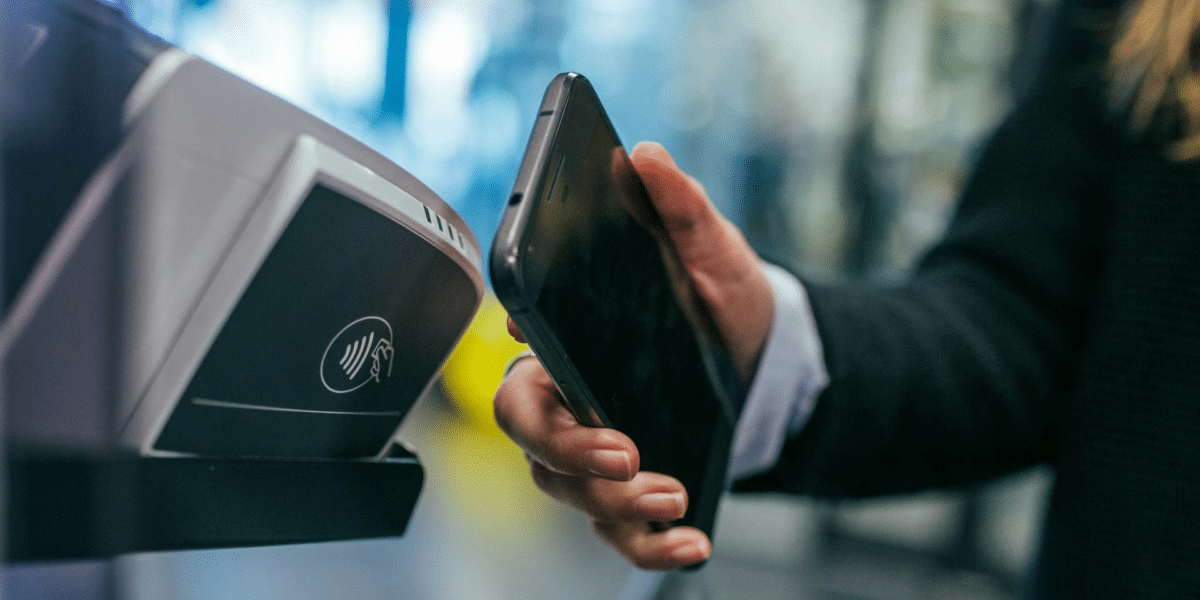
Mobile phones simplify everyday tasks that once required more time and effort. Online banking, shopping, and bill payments can now be completed in minutes. Navigation apps provide directions, traffic updates, and public transport schedules, reducing uncertainty when traveling.

SQ Magazine highlights how mobile phones have become shopping hubs, with many consumers using them to compare prices, read reviews, and make purchases. This convenience has changed consumer behavior, making mobile commerce a central part of retail.

Even small tasks, such as setting reminders or managing calendars, are easier with mobile phones. These features help people stay organized and reduce stress by keeping important information accessible at all times.


Entertainment and Leisure

Mobile phones are also central to entertainment. Streaming platforms, music apps, and mobile games provide instant access to leisure activities. This accessibility allows people to enjoy entertainment during commutes, breaks, or quiet evenings at home.

Backlinko’s data shows that the average American adult spends more than four hours per day using mobile apps, much of it on entertainment. This reflects how mobile phones have become portable entertainment centers, offering a wide range of options tailored to individual preferences.

Social media platforms also play a role in leisure. They allow people to share experiences, follow interests, and connect with communities. While social media use raises questions about balance, it remains a key way mobile phones contribute to relaxation and enjoyment.


Health and Wellbeing Support

Mobile phones are increasingly used to support health and wellbeing. Fitness apps track steps, workouts, and sleep patterns, while health platforms provide access to medical information and telehealth services. These tools make it easier for individuals to monitor and manage their wellbeing.

According to SQ Magazine, mobile phones are now widely used as health trackers, reflecting their role in promoting healthier lifestyles. Features such as heart rate monitoring and reminders for hydration or medication add practical value to daily routines.

Mental wellbeing is also supported through mobile apps. Meditation guides, stress management tools, and online counseling services provide accessible resources for those seeking support. This integration of health into mobile technology shows how phones are becoming partners in personal care.


Balancing Convenience and Awareness

While mobile phones offer many benefits, there are also concerns about overuse. Extended screen time can affect sleep, concentration, and social interactions. Recognizing these challenges is important for maintaining balance.

The Backlinko report highlights that average daily screen time continues to rise, with many adults spending several hours per day on their devices. This trend has prompted discussions about digital wellbeing and the importance of setting boundaries.

Balancing convenience with awareness means using mobile phones as tools rather than allowing them to dominate daily life. Features such as screen time trackers and focus modes can help individuals manage usage while still enjoying the benefits of mobile technology.


Outlook for Mobile Phone Use

The role of mobile phones in everyday life is expected to continue expanding. As technology advances, devices will integrate even more functions, from smart home management to advanced health monitoring. These developments will reinforce the position of mobile phones as essential tools for modern living.

For consumers, this outlook provides reassurance that mobile phones will continue to adapt to their needs. The convenience they offer is not static but evolving, shaped by innovation and user expectations.

Mobile phones have become companions in daily life, supporting communication, productivity, entertainment, and wellbeing. Their convenience reflects both technological progress and the human desire for tools that simplify and enrich everyday experiences.