
By Jeremy Murphy
When the temperatures drop and the days get shorter, there is one unexpected upside. For patients considering a facelift or laser treatment, the colder months offer a practical advantage that has little to do with the temperature itself and everything to do with the sun.
A Shining Ray in the Darker Months
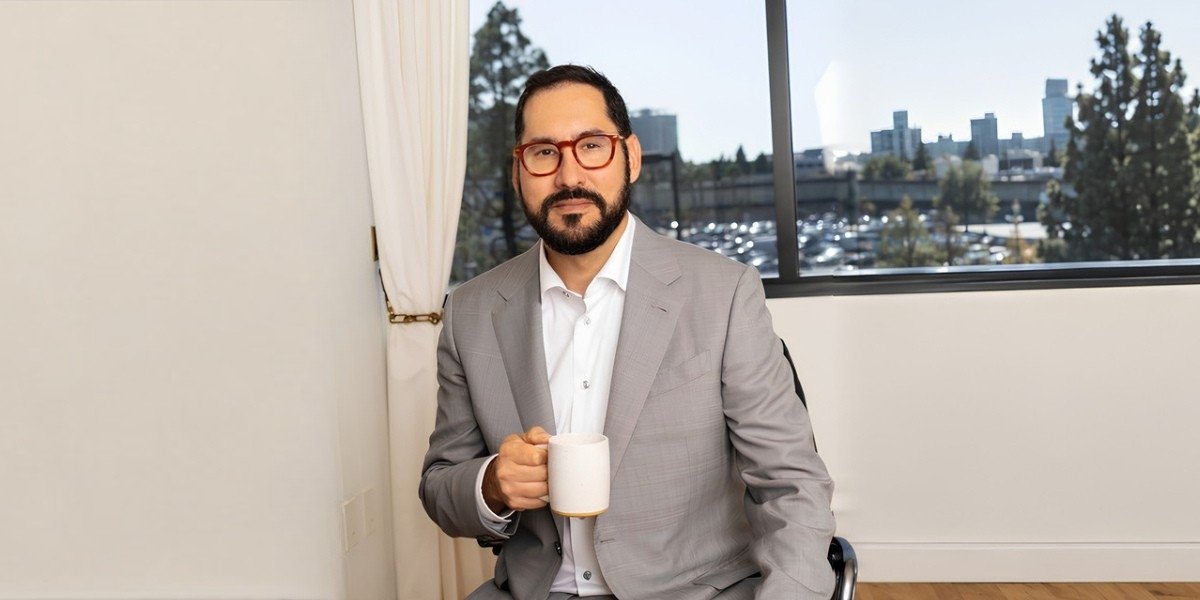
According to Dr. Luis Macias, the Los Angeles-based plastic surgeon known for his sophisticated, natural approach to facial rejuvenation, reduced sun exposure makes winter particularly appealing for certain procedures. That matters because many of today’s laser treatments are light-sensitive, including IPL and BBL treatments, as well as erbium and CO2 lasers. Patients need to limit sun exposure during the healing process, making winter an easier season in which to schedule treatments.
“In the winter, you’re less likely to have those competing activities,” he says. “I think the winter months are a good time for people to do some of these refreshes for themselves.”
It is not, Macias emphasizes, that cold weather magically produces better surgical results. There is no special wintertime advantage when it comes to blood vessels, healing, or the ultimate outcome of a facelift. The benefit is largely practical: less intense sun exposure and, for many people, fewer beach days, vacations, and outdoor activities to work around.
What to Do
The technology itself, meanwhile, has become considerably more sophisticated. Macias stresses that there is no single “best” laser. The appropriate treatment depends on what a patient actually wants to address.
Some technologies are particularly effective for pigmentation and redness. BBL, or broadband light, can target those concerns while also helping to thicken the dermis. But if the goal is resurfacing, fine lines or wrinkles, a different approach may be necessary.
That is where fractional lasers such as erbium and CO2 come in. Macias compares the evolution of these treatments to maintaining a lawn. An ablative CO2 laser essentially “mows the lawn,” removing more of the surface, while fractional treatment “aerates” it by creating tiny channels that allow the skin to heal more quickly.
For some patients, however, CO2 can create pigmentation concerns. Erbium lasers, Macias says, can offer greater versatility, particularly for patients with darker skin tones, while still allowing surgeons to control the degree of coagulation and resurfacing.
A Refreshed Look
The same philosophy of restraint is increasingly influencing the facelift itself.
The era of the conspicuously “done” face is fading. Macias says he is seeing more patients seeking a refreshed appearance rather than an obviously altered one. Deep-plane facelifts, which address deeper anatomical structures rather than simply tightening the skin, have become an important part of that evolution.
The trend is also moving younger.
Rather than waiting until significant skin laxity develops, patients are increasingly addressing early signs of aging. The objective is subtle enough that friends and family may simply think someone looks rested, healthy, or particularly good after a vacation. “If you go from turkey neck to no turkey neck, it’s very obvious,” Macias says. “People don’t want that.”
Normalizing Cosmetic Work for Men
That desire for subtlety is also bringing more men into the conversation. Macias says he is seeing significantly more male patients interested in facial rejuvenation, although preserving a masculine appearance remains paramount.
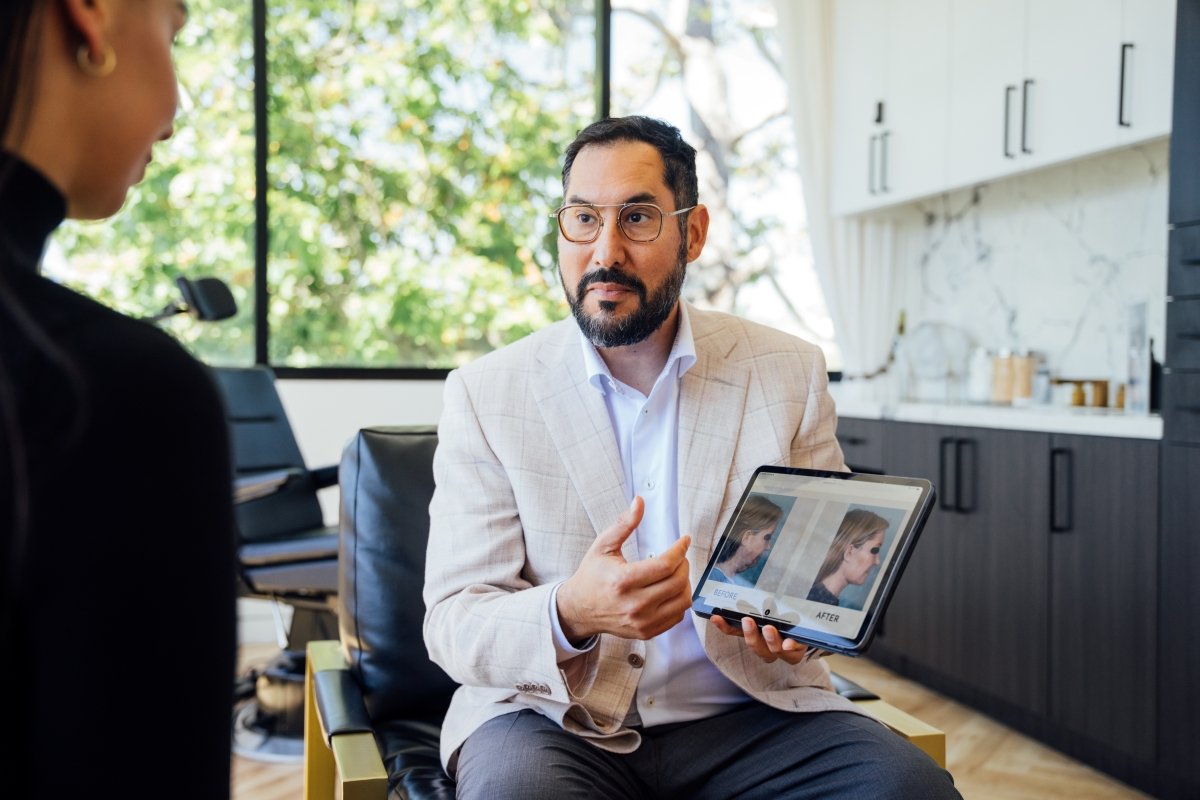
Many men, he says, arrive with examples of celebrities whose work they like precisely because they cannot tell surgery was performed. Some of his male patients have even allowed him to share their before-and-after photographs, something he says can be particularly powerful in overcoming the stigma surrounding cosmetic surgery for men.
“They allow other guys to look and go, ‘Oh yeah, I could do that,’” he says. “That guy looks pretty good. He still looks like himself.”
Precision and Tailoring
And then there is the changing attitude toward fillers. Hyaluronic acid fillers have taken a beating on social media, Macias says, largely because they became so ubiquitous and were sometimes used indiscriminately. The problem, in his view, was not necessarily the material itself but the way it was being used. “There’s still some role for hyaluronic acid done by a trained professional that knows where to put it, knows what to put where, at what depth,” he says.
At the same time, patients are increasingly interested in alternatives, including biostimulatory and regenerative treatments. Sculptra has benefited from that shift, while products such as Renuva, derived from donated human adipose tissue, are also attracting renewed attention.
Another newer technology gaining momentum is Quantum, a bipolar radio-frequency device designed to tighten skin while addressing some underlying fat. Macias sees it as part of a broader movement toward treatments that work beneath the surface rather than simply adding volume.
Ultimately, the biggest change is philosophical. Patients are no longer necessarily looking for a dramatic transformation. They want to look like themselves, only fresher. And winter, with its shorter days and reduced UV exposure, may be the perfect time to start.