
Consumer Spending Patterns in 2025
Halloween 2025 has shown that Americans continue to prioritize seasonal traditions even as household budgets remain under pressure. According to PwC, 78 percent of U.S. adults planned to celebrate, with spending directed toward costumes, candy, and decorations. This level of participation highlights the cultural importance of Halloween as a shared event that families and communities value.
Consumers are adapting to higher prices by bargain-hunting, but they are not abandoning the holiday altogether. Many households are choosing less expensive costumes or decorations while still ensuring that children and families can participate in trick-or-treating and gatherings. This behavior reflects a willingness to adjust rather than withdraw, signaling resilience in discretionary spending.
The spending patterns also suggest that Halloween functions as a smaller version of the winter holiday season. Even when economic conditions are uncertain, people continue to allocate funds for traditions that bring enjoyment and connection. This makes Halloween a useful indicator of how consumers balance financial caution with the desire for celebration.
Retail Sales and Business Impact
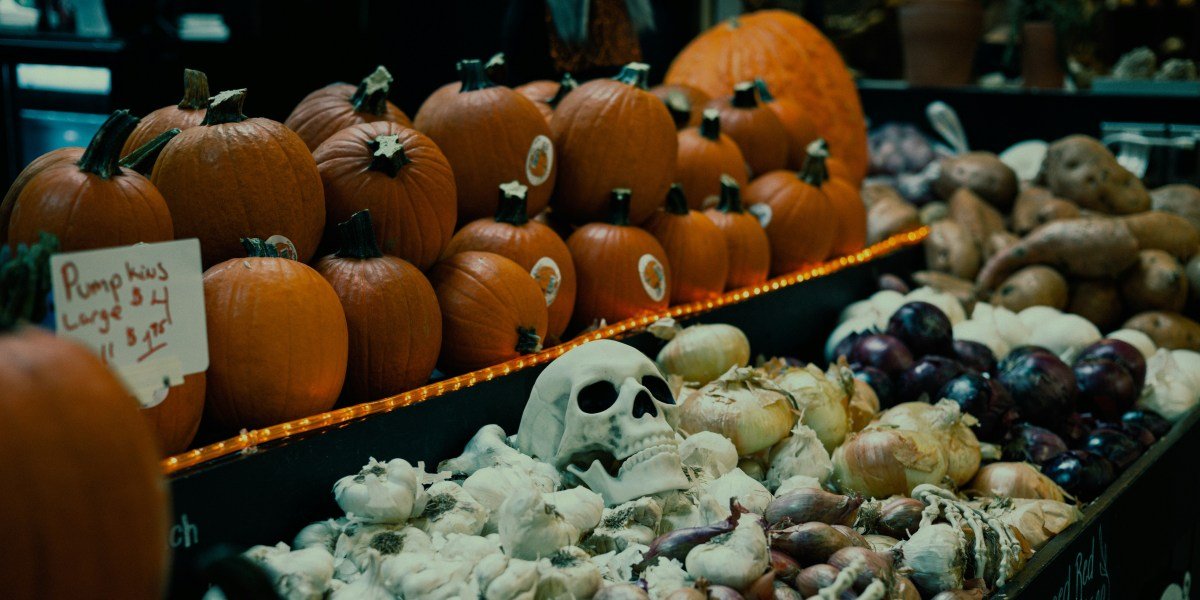
Retailers have reported steady sales across multiple categories tied to Halloween. Candy and confectionery companies benefit from the holiday as it remains their largest sales period of the year. Costume retailers and party supply stores also see a seasonal lift, with online platforms capturing last-minute purchases. These trends provide a temporary but meaningful boost to quarterly revenues.

Photo Credit: Unsplash.com
Discount retailers and supermarkets have played a central role in meeting consumer demand. Shoppers are seeking value, and businesses that offer affordable seasonal goods have seen strong traffic. This shift demonstrates how inflation influences not only the amount spent but also where consumers choose to shop.
For larger retailers, Halloween promotions serve as a bridge into the winter holiday season. By drawing customers into stores and online platforms in October, businesses can build momentum that carries into November and December. This strategy helps stabilize revenue during a period of economic uncertainty.
Inflation and Consumer Behavior
Inflation continues to affect household budgets, but Halloween spending shows that consumers are making selective choices rather than broad cutbacks. Families may reduce spending in some categories, such as dining out, while maintaining or slightly adjusting their Halloween purchases. This selective approach reflects a broader trend of prioritizing experiences and traditions.
The willingness to spend on Halloween also suggests that consumers view seasonal celebrations as essential to quality of life. Even when faced with higher prices, they find ways to participate, whether through smaller gatherings, homemade costumes, or budget-friendly decorations. This adaptability helps explain why spending has remained steady.
For policymakers and economists, Halloween provides insight into consumer sentiment. The fact that households continue to allocate funds to discretionary seasonal goods indicates that confidence, while cautious, has not collapsed. This resilience may carry implications for broader retail performance in the final quarter of the year.
Broader Economic Signals
Halloween spending offers a snapshot of how U.S. households are responding to inflation and economic fatigue. While consumers are cautious, they are not retreating entirely from discretionary purchases. This balance between restraint and participation reflects a pragmatic approach to managing household finances.
Retailers and analysts often view Halloween as a test case for the holiday season. Strong participation suggests that consumers will continue to spend on upcoming celebrations, though with an emphasis on value and affordability. This outlook provides reassurance to businesses preparing for the critical end-of-year period.
The 2025 Halloween season demonstrates that cultural traditions can sustain consumer demand even under economic pressure. By adapting their spending habits, households are keeping celebrations alive while managing financial realities. This combination of resilience and caution defines the current consumer environment.