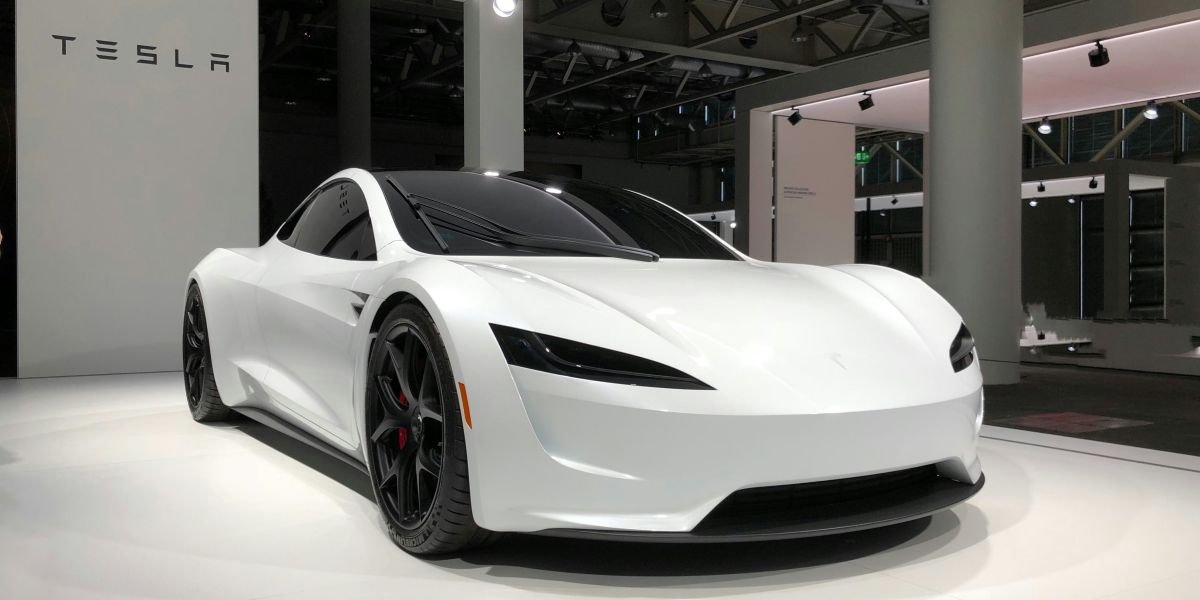

When Tesla reports Q1 2026 earnings on Wednesday, April 22, after the market close, it will do so carrying the weight of one of the most divided analyst communities in the S&P 500. The debate is not simply about whether earnings beat or miss. It is about what kind of company Tesla actually is — and whether the market’s willingness to price it as an AI and robotics infrastructure play can survive another quarter of softening automotive fundamentals.
Wall Street expects Tesla to report earnings per share of $0.37 for Q1 2026, reflecting 37% year-over-year growth. Revenue is projected to rise over 15% year-over-year to $22.26 billion. Those headline figures would represent a meaningful rebound from the same period in 2025, when compressed margins and demand softness weighed on results. But the setup entering this report is complicated by delivery numbers that have already landed — and disappointed.
What the Delivery Miss Means for Wednesday
Tesla delivered 358,023 vehicles in Q1 2026, missing analyst expectations of around 372,000. That shortfall — roughly 14,000 units below consensus — was the quarter’s most concrete data point, and it moved the stock meaningfully when reported. The delivery miss matters for two reasons. First, it creates a revenue headwind that is difficult to offset through pricing or mix. Second, it confirms a pattern of demand softness in the core automotive business that bulls have been dismissing as temporary for multiple quarters.
Tesla also produced 408,386 vehicles in Q1, leaving roughly 50,000 more cars in inventory than it delivered — an overhang that could weigh on Q2 margins. Inventory buildup at this scale is not simply a logistics issue. It reflects the gap between what Tesla’s factories can produce and what the market is absorbing at current prices, in current competitive conditions. Managing that gap without deeper price cuts — while maintaining the margin profile investors are expecting — will be one of the key questions Wednesday’s call needs to address.
The Analyst Divide Is Unusually Wide
The stock entered earnings week trading around $388.90, with analyst price targets ranging from as low as $25 to as high as $600 — one of the widest divergence ranges on Wall Street. Overall, TSLA stock carries a Hold rating from analysts.
That dispersion is not a fluke. It reflects two genuinely different investment theses being applied to the same stock. The bear case rests on automotive fundamentals: slowing delivery growth, margin pressure, rising competition from Chinese EV manufacturers, and a CEO whose involvement in federal politics — through his role with DOGE — has generated customer backlash in key markets including Europe.
The bull case rests almost entirely on what Tesla might become. Wedbush analyst Dan Ives holds a price target of $600 on TSLA, seeing Tesla’s AI initiatives and upcoming robotaxi rollout as major growth drivers for 2026, suggesting a potential link with SpaceX and pointing to roughly $20 billion in planned investments across Cybercab, Optimus, batteries, and AI infrastructure.
Both theses are internally consistent. The problem is that they imply very different valuations for the same company, and Wednesday’s earnings report will give ammunition to both sides without fully resolving the underlying question.
Tesla as the Mag Seven’s Opening Act
Tesla carries additional significance this week as the first Magnificent Seven member to report Q1 2026 results. FactSet estimates the earnings growth rate for the Magnificent Seven collectively at 22.8% for Q1 2026, compared with 10.1% for the remaining 493 companies in the S&P 500. However, Nvidia is expected to be the dominant contributor to that figure — without Nvidia, the Mag Seven’s estimated growth rate drops to 6.4%, below what the rest of the index is expected to deliver.
That context reframes Tesla’s role in the earnings season. A beat from Tesla would sustain the narrative of Mag Seven strength and could provide a lift to the broader tech complex ahead of reports from Alphabet, Meta, Amazon, Microsoft, and Apple over the following two weeks. A miss — particularly one accompanied by cautious guidance — could accelerate the rotation away from mega-cap tech that has been building since the group’s collective underperformance in early 2026.
The Magnificent Seven collectively account for 33.7% of the S&P 500 as of April 2026. In 2026, they have lagged the broader index, with the group down 1.3% year-to-date while the S&P 500 is up 1.8%. Tesla, down 19% on the year, has been the weakest performer within the group. That underperformance means Tesla enters Wednesday’s report under more pressure than most of its Mag Seven peers — any further negative catalysts would extend an already significant drawdown from the stock’s earlier highs.
What Investors Should Watch on the Call
Beyond the headline EPS and revenue figures, several specific data points will determine how the market reacts to Wednesday’s results.
Automotive gross margin is the single most important metric. Tesla’s margin profile has compressed significantly from its peak levels, and any signal that margins are stabilizing — or recovering — would be read constructively. A further decline would validate concerns that the company is in a structural rather than cyclical margin squeeze.
Investors will also closely watch management commentary on autonomous vehicle development, energy storage expansion, and the Robotaxi timeline. Tesla’s capital expenditure for 2026 is expected to exceed $20 billion — more than double prior levels — making the investment case increasingly dependent on AI and energy businesses that do not yet contribute meaningfully to reported earnings.
Guidance is the third variable. Refinitiv’s Smart Estimate is more cautious than the Street consensus, forecasting $0.30 EPS on $21.52 billion in revenue for Q1, with a predicted earnings surprise of -20.6%. The growing gap between the headline Wall Street estimate and the model-implied downside is itself a signal worth watching. If Tesla guides conservatively for Q2 — citing the inventory overhang, competitive pressure, or macro uncertainty from elevated energy prices — the stock’s recovery from its year-to-date losses could reverse quickly.
The Bigger Picture
Per FactSet, of the roughly 50 S&P 500 companies that had reported Q1 results through Monday, approximately 86% posted better-than-expected earnings — a strong early read for the season. U.S. Treasury yields were higher on Monday morning as geopolitical uncertainty from the Iran ceasefire deadline weighed on risk sentiment, with the 10-year yield last trading above 4.26%.
Tesla is reporting into that macro backdrop: a market that has recovered sharply from early-year lows, a geopolitical environment that is keeping energy prices elevated, and an earnings season that has started well but is now moving into its most consequential week. Wednesday’s results will not settle the debate over what Tesla fundamentally is. But they will tell investors whether the company’s financial performance is moving toward or away from the valuation that the AI and robotics thesis requires.
Disclaimer: This article is for informational purposes only and does not constitute financial or investment advice. All data, analyst estimates, and price targets referenced are sourced from publicly available reporting as of April 21, 2026, and are subject to change. Past performance and earnings results are not guarantees of future outcomes. Investors should consult a licensed financial professional before making any investment decisions.