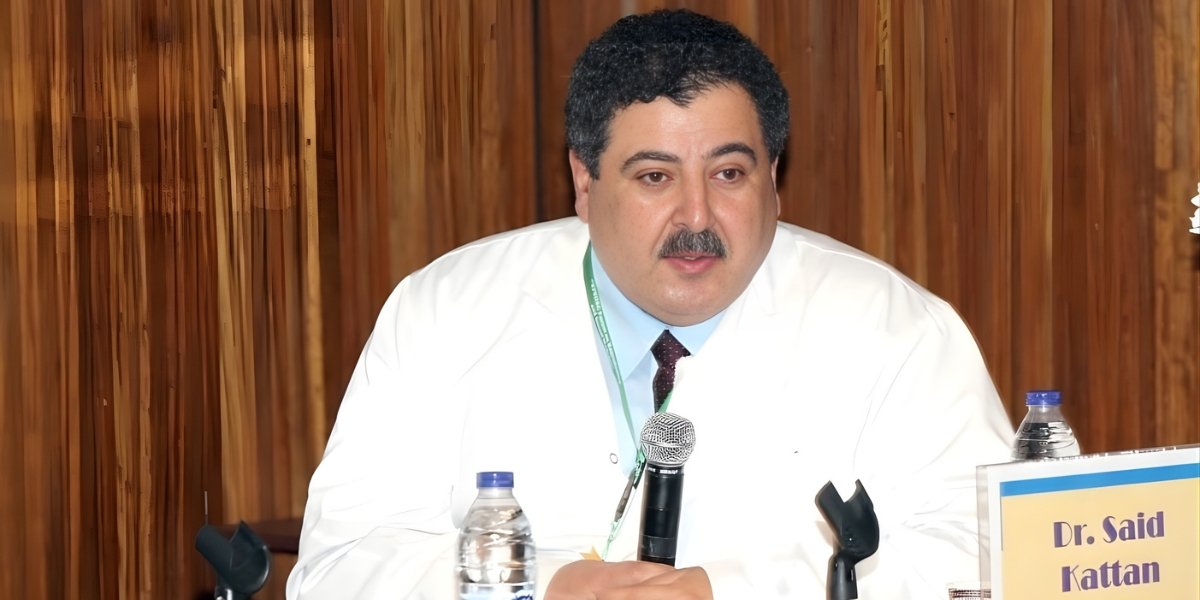

Clinical research plays a central role in shaping medical practice, particularly in surgical specialties where treatment decisions depend on evolving evidence rather than fixed protocols. In urology and andrology, research spans randomized trials, surgical outcome studies, epidemiological reviews, and experimental models. Globally, bladder cancer alone accounts for more than 570,000 new cases each year, while erectile dysfunction affects an estimated 150 million men worldwide. These conditions require continuous clinical investigation to refine treatment options and inform training standards.
Within this research-driven environment, Said Kattan has contributed to medical literature across several interconnected areas of urology and male reproductive health. His published work reflects a focus on clinical relevance rather than theoretical modeling, with studies addressing cancer management, infertility, sexual dysfunction, and complex surgical conditions. Much of this output emerged alongside his academic and clinical roles, linking patient care with structured investigation during a period of expanding research activity in Saudi Arabia.
Kattan has been actively engaged in the study of bladder cancer, specifically in the treatment of superficial transitional cell carcinoma. In particular, Kattan has participated in prospective studies of intravesical treatment, as well as of an alternating regimen of Bacillus Calmette Guérin with interferon-alpha2b. Such studies, published in 2000, have examined the effectiveness of the treatment and its ability to reduce the risk of recurrences, contributing to the debate about the dosage of the therapy for the prevention of bladder cancer.
Other studies compared Bacillus Calmette-Guérin and interferon alpha 2B for immunotherapy treatment of superficial bladder cancer. Comparative studies like this are relevant in situations where treatment availability, patient tolerance levels, and expenses differ. The study contributed to the body of knowledge in the field by including data from patients in the Middle East, whereas in many instances, studies in this field have been dominated by patients in North America and Europe.
Kattan subsequently published works regarding idiopathic retroperitoneal fibrosis. It’s a condition in which fibrosis develops around abdominal organs, resulting in ureteral obstruction. In his 2002 Journal of Urology paper, his emphasis was on corticosteroid treatment, particularly the amount and duration of medication. The incidence of this condition is very low, at around one to two cases in every 100,000 individuals. However, treatment guidelines exert a significant influence on this disease, given its very high occurrence rate.
Erectile dysfunction and male infertility are other significant areas of study. Kattan has conducted comparative evaluations of the treatment of erectile dysfunction. The methods of treatment included in these comparisons were the therapy of intracavernous injection, the use of a vacuum erection device, and penile prostheses. The significance of these comparisons emerges from the fact that the percentage of men over the age of 40 who have erectile dysfunction has exceeded 40 percent.
Kattan has continued to pursue research in the surgical management of varicocele. He has also compared the outcomes of laparoscopic varicocelectomy performed with and without preservation of the internal spermatic artery. The issue lies at the intersection of technique and outcome. Varicocele has been found in infertile cases in as high a percentage as 40 percent. Varicocele has been found in infertile cases in as high a percentage as 40 percent. Variations in surgical technique are essential in improving learning during training.
Further down the line, he explores the realm of diagnostic complexities and innovations. There was a study conducted in the year 2020 that put forth the scenario of primary infertility due to an occult posterior urethral valve that was detected in a patient entering the fifth decade of life, reiterating that congenital pathologies can often make unexpected presentations. In 2023, Kattan contributed to an investigation on transurethral resection of the ejaculatory ducts for ejaculatory duct obstruction in the Saudi population, which was an esoteric but very relevant entity for male infertility.
There is evidence of his engagement in experimental and translation research through his publications. In 2023, he co-authored a study concerning the histopathology of collagen fleece patching of the tunica albuginea in a rat model of the penis, alongside a review of graft materials for penile surgery. Studies of this kind, conducted on animals, play an essential role in evaluating surgical materials before they gain widespread use among patients.
Overall, Kattan’s contribution to the field does not reflect fragmentation but shows some continuity. He has worked on a wide array of issues that include oncology and sexual medicine, infertility, uncommon fibrotic disorders, traumatic injuries associated with urological surgery, and the surgical materials used in surgery. Most of his scholarly work has been published in peer-reviewed journals, including the Journal of Urology, Saudi Medical Journal, Journal of Surgical Oncology, and Experimental Urology, with indexing sites such as PubMed and ResearchGate.
Together, this body of literature reflects the need for a healthcare environment that balances local conditions with global comparisons. Rather than focusing attention on a single finding, it contributes incrementally to multiple regions. Within this context, it would appear that Said Kattan’s contributions as a researcher represent a continuous endeavor to qualify health experience, evaluate treatment methods, and incrementally broaden what matters from a local perspective within urology and andrology.
Disclaimer: The information provided in this article is for informational purposes only and does not constitute medical advice. The views and opinions expressed in this article are those of the author and do not necessarily reflect the views of any affiliated organizations. Always consult with a qualified healthcare provider for advice regarding any medical condition or treatment.