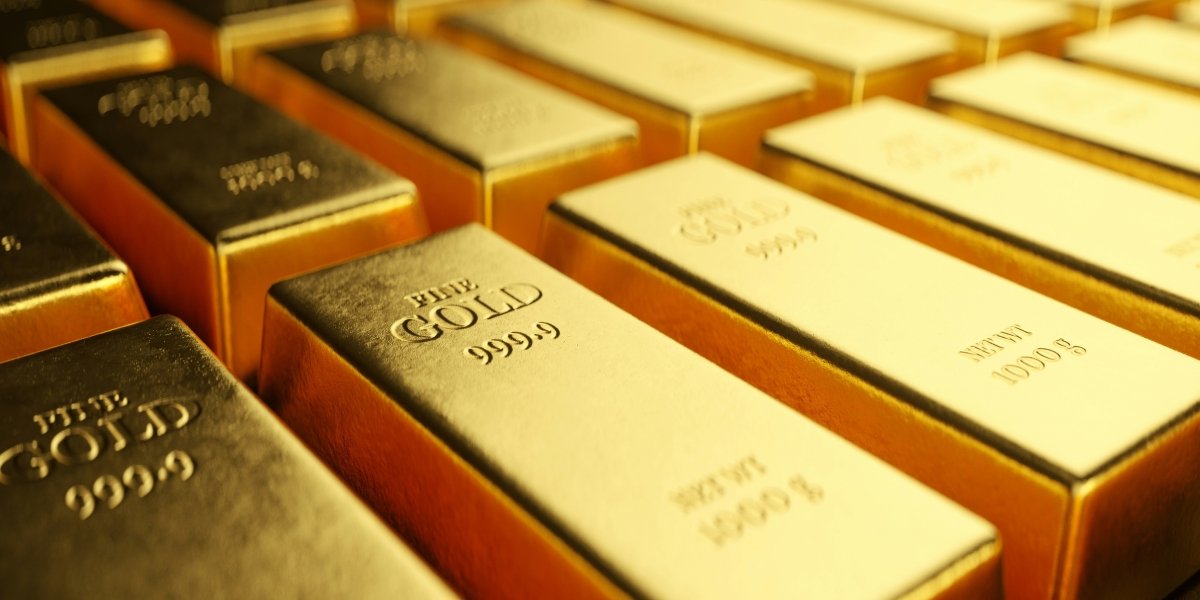

Gold prices remain near historic highs in early 2026 as global economic uncertainty, geopolitical tension, and heavy investment demand continue to drive the precious metal’s rally, according to multiple recent market reports and analyst commentary.
Spot gold has repeatedly pushed into record territory in recent weeks, with prices climbing above the $5,000-per-ounce threshold and, at times, moving toward new all-time peaks. Analysts say the surge reflects a broad shift toward safe-haven assets amid global instability and currency concerns.
Gold recently jumped more than 3% in a single session, driven by persistent economic and geopolitical risk that pushed investors toward traditional defensive assets.
Safe-Haven Demand Drives Historic Rally
Market experts point to a combination of political uncertainty, trade tensions, and currency pressure as key drivers behind gold’s strong performance entering 2026. Some analysts note that aggressive policy moves and pressure on major currencies have increased investor demand for tangible stores of value such as gold and silver.
Economic research cited by global market reports suggests that tariffs, policy uncertainty, and a weakening U.S. dollar were major contributors to gold’s record climb throughout 2025 and into 2026, reinforcing its role as a hedge during periods of financial stress.
Industry analysts also highlight expanding demand from central banks and retail investors, with gold climbing more than 17% so far this year after surging roughly 64% in 2025.
In market commentary, one metals executive said investors tend to move into precious metals when seeking returns during periods of strong momentum, noting that investors often “go where they can get high returns.”
Short-Term Pullbacks Reflect Strong Dollar And Profit-Taking
Despite the overall bullish trend, gold has shown increased volatility. Prices recently slipped after the U.S. dollar strengthened and investors locked in profits following a sustained rally.
Market analysts say these corrections are typical after rapid price surges and do not necessarily signal a reversal of the broader trend, especially while geopolitical and economic risks remain elevated.
Global Economic Ripple Effects Emerging
The surge in gold prices is now affecting industries beyond financial markets. In Europe, jewelry manufacturers are redesigning products to reduce gold content while maintaining appearance, reflecting rising raw material costs as prices approach or exceed roughly $5,600 per ounce.
Meanwhile, regulators in parts of Asia are tightening oversight of online gold trading amid concerns about currency volatility and financial stability linked to surging prices.
Looking ahead, many analysts believe gold could remain elevated if global tensions, policy uncertainty, and strong investment demand persist. Some forecasts suggest further upside potential, particularly if central banks continue adding gold reserves and real interest rates remain low.
For now, gold’s position as a safe-haven asset appears firmly intact. While price swings are expected in the short term, the metal’s strong momentum reflects broader structural changes in global investment flows and risk sentiment.
Analysts say the key variables to watch through 2026 include central bank buying, global interest rate policy, and geopolitical developments — all factors that could determine whether gold extends its historic rally or stabilizes at elevated levels.
Disclaimer: The information presented in this article is based on publicly available market data, analyst reports, and industry commentary at the time of publication. It is not intended as investment guidance, financial advice, or a recommendation to buy or sell any asset. Financial markets carry risk, and past performance does not guarantee future results. Readers are solely responsible for their investment decisions.