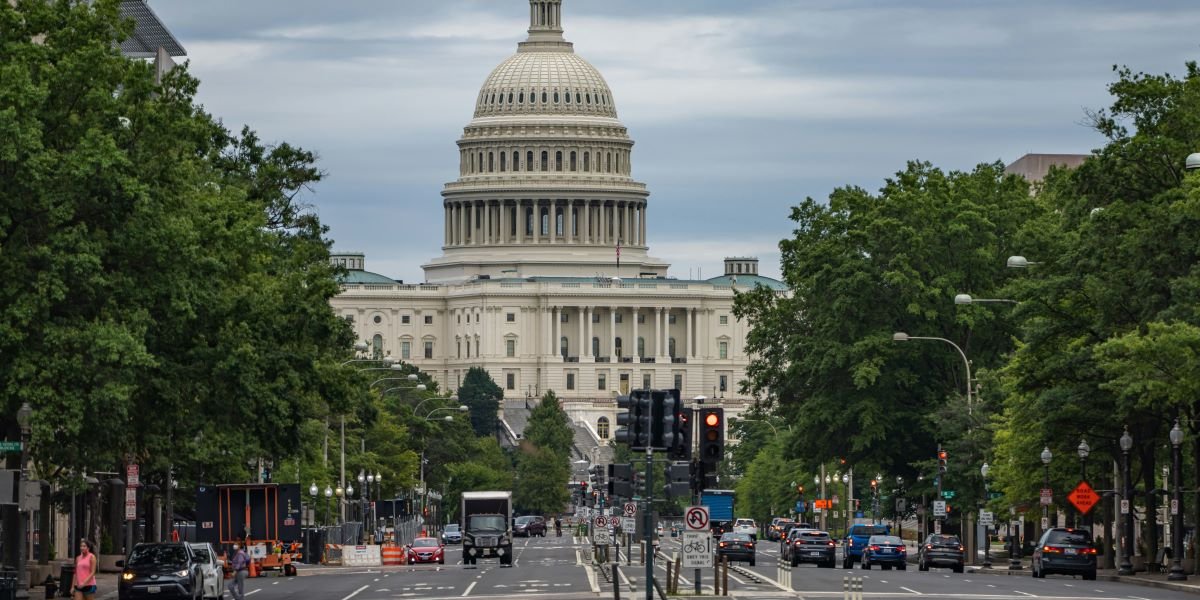

The Federal Reserve held the federal funds rate at a target range of 3.75% to 4% on October 28 in a 10–2 vote. Fed Governor Lisa Cook and Cleveland Fed President Beth Hammack dissented in favor of a quarter-point hike, a split that keeps borrowing costs elevated for businesses heading into the Fed’s final meeting of the year.
Key Takeaways
- The Federal Open Market Committee voted 10–2 to keep the federal funds rate at 3.75% to 4% on October 28, 2026.
- Lisa Cook and Beth Hammack each preferred to raise the target range by a quarter point.
- The Fed raised rates a quarter point in September, its first increase since 2023.
- The policy statement upgraded its description of economic growth from “solid” to “strong.”
- Consumer prices rose 3.7% year over year in September, up from 3.4% in August.
- Starting in 2027, one of the Fed’s eight annual meetings will focus only on long-term strategy, with no rate vote or policy statement.
The Fed Holds Rates After September’s Hike
The Federal Reserve’s decision to stand pat was widely expected. On the first day of the October 27–28 meeting, the CME FedWatch tool showed a 90.6% probability that the Federal Open Market Committee would leave rates unchanged.
The hold follows a quarter-point increase in September that lifted the target range to 3.75% to 4%, the Fed’s first rate hike since 2023. October’s decision gives policymakers time to see how that increase works through the economy before deciding whether another one is needed.
For businesses, the hold does not mean relief. Rates remain at the level reached after September’s increase, and the Fed’s statement gave no indication that cuts are under consideration.
Two Dissents Signal Pressure For Another Increase
The vote was not unanimous. Fed Governor Lisa Cook and Cleveland Fed President Beth Hammack both voted against the decision, each preferring to raise the federal funds rate by a quarter percentage point at this meeting.
Two dissents in favor of tighter policy carry weight. In September, the Committee voted 12–0 for the hike. October’s split shows that a portion of the Committee believes current rates are not yet high enough to bring inflation back to the Fed’s 2% target. That pressure makes another increase a live possibility rather than a remote one.
The Statement Describes Strong Growth And Elevated Inflation
The Federal Reserve’s policy statement offered a more upbeat read on the economy than in September. “Economic activity is expanding at a strong pace,” the statement said, upgrading the September description of “solid” growth. The Committee also noted that domestic spending has been resilient, productivity growth is strong and capital investment is robust.
On jobs, the statement said job gains have kept pace with the workforce and the unemployment rate has changed little. Employers added 29,000 jobs in September, a modest pace that has kept unemployment steady.
Inflation remains the central concern. Consumer prices rose 3.7% year over year in September, up from 3.4% the month before. The statement said inflation remains elevated and that more information will help the Committee determine the policy stance needed to return inflation to its 2% goal. It closed with a direct line: “The Committee will deliver price stability.”
What The Hold Means For Business Borrowing
For small business owners, the practical effect is that borrowing stays expensive. Many business credit lines, credit cards and variable-rate loans are tied to the prime rate, which typically moves with the federal funds rate. With the Fed holding steady after September’s hike, those costs remain at their higher level.
Longer-term borrowing costs are also elevated. The 10-year Treasury yield, which influences rates on commercial real estate loans and longer-term financing, held above 5% after the decision. Those rates add to borrowing costs that have already split the economy into two speeds, with some households and businesses absorbing higher payments while others continue to spend.
Businesses carrying variable-rate debt may want to review how much a further quarter-point increase would add to their monthly payments. Those planning equipment purchases, expansions or refinancing face the question of whether to borrow now or wait, with the Fed’s statement offering no sign that rates will fall soon.
Savers Keep Earning Elevated Yields
The same rates that raise borrowing costs benefit savers. With the federal funds rate holding at 3.75% to 4%, yields on savings accounts, money market accounts and certificates of deposit generally remain elevated.
For businesses with cash reserves, that means idle balances can continue earning meaningful interest. A further rate increase in December would likely keep those yields high, while a pause through the end of the year would hold them near current levels.
December Becomes The Next Decision Point
Attention now shifts to the Federal Reserve’s final scheduled meeting of the year in December. As of October 28, markets were pricing in one more quarter-point hike in 2026, followed by further increases in 2027, according to futures-based market data. Those expectations can shift quickly as new inflation and jobs data arrive.
Fed Chair Kevin Warsh also announced a change to the meeting calendar. The FOMC will keep eight meetings a year, but in 2027 one of them will focus only on broad monetary policy strategy, with neither a vote on the federal funds rate nor a policy statement expected. The remaining meetings will be regular policy-setting sessions.
FAQs
Did The Fed Raise Interest Rates In October 2026?
No. The Federal Reserve held the federal funds rate at 3.75% to 4% on October 28, 2026. The vote was 10–2, with two officials favoring a hike.
What Is The Current Federal Funds Rate?
The federal funds rate target range is 3.75% to 4%. The Fed reached that level with a quarter-point hike in September 2026.
Who Dissented At The October 2026 Fed Meeting?
Fed Governor Lisa Cook and Cleveland Fed President Beth Hammack dissented. Both preferred to raise the target range by a quarter percentage point.
When Is The Next Fed Meeting?
The Federal Reserve’s next policy meeting is its final scheduled meeting of 2026 in December. Markets will watch it for a possible additional rate increase.
How Does The Fed Rate Decision Affect Small Business Loans?
Many business credit lines and variable-rate loans are tied to the prime rate, which typically follows the federal funds rate. Holding rates steady keeps those borrowing costs at their current elevated level.