

The Indian Rupee: Currency Pressures and Emerging Market Dynamics
India’s economic landscape is experiencing notable volatility as the Indian rupee faces significant pressures against the U.S. dollar. For investors, the rupee’s performance is more than just a domestic concern — it reflects broader trends in global trade, emerging market flows, and currency dynamics. As the Indian economy continues to grow, challenges in currency management and capital flow volatility could have lasting impacts on global markets.
India’s Currency Under Pressure
The Indian rupee has seen notable weakness against the U.S. dollar, mainly driven by global economic uncertainties and local market conditions. Currency volatility, which impacts trade and foreign investment, has increased as the country faces a difficult balance between inflationary pressures and a weakening currency. The Reserve Bank of India (RBI) has implemented measures, including foreign exchange interventions, but the underlying pressures persist.
Despite India’s robust growth prospects, the Indian rupee’s depreciation reflects broader issues impacting emerging market currencies globally. Investors in Indian equities and fixed income markets should be mindful of the broader implications of these movements, as currency shifts affect corporate earnings, inflation, and capital flows.
Capital Flows: A Key Indicator for Emerging Markets
Capital flows into emerging markets, including India, are sensitive to both global and domestic factors. The weakening rupee has influenced investor sentiment, with foreign institutional investors (FIIs) adjusting their portfolios in response to currency movements. Foreign direct investment (FDI) remains an essential driver for India’s growth, but fluctuations in the currency may cause temporary pullbacks in investor confidence.
In the last few months, India has experienced shifts in capital flows, with foreign investors recalibrating their positions due to concerns about currency stability and the ongoing global trade uncertainties. When the rupee depreciates, it can impact foreign investors’ returns, making Indian assets less attractive unless hedging options are available to mitigate the risks associated with exchange rate movements.
The RBI has been actively monitoring these trends, employing tools such as currency interventions and liquidity support, but these measures may have limited effectiveness if external factors — such as changes in U.S. monetary policy or geopolitical tensions — continue to drive volatility.
Global Trade and Currency Flows
The impact of India’s currency fluctuations extends beyond its borders. As a major global trade partner, India’s economic stability plays a pivotal role in the broader global trade and supply chain landscape. Currency depreciation can affect India’s export competitiveness, making its goods and services cheaper on the global market. However, it also increases the cost of imports, leading to inflationary pressures that could undermine the country’s economic stability in the long run.
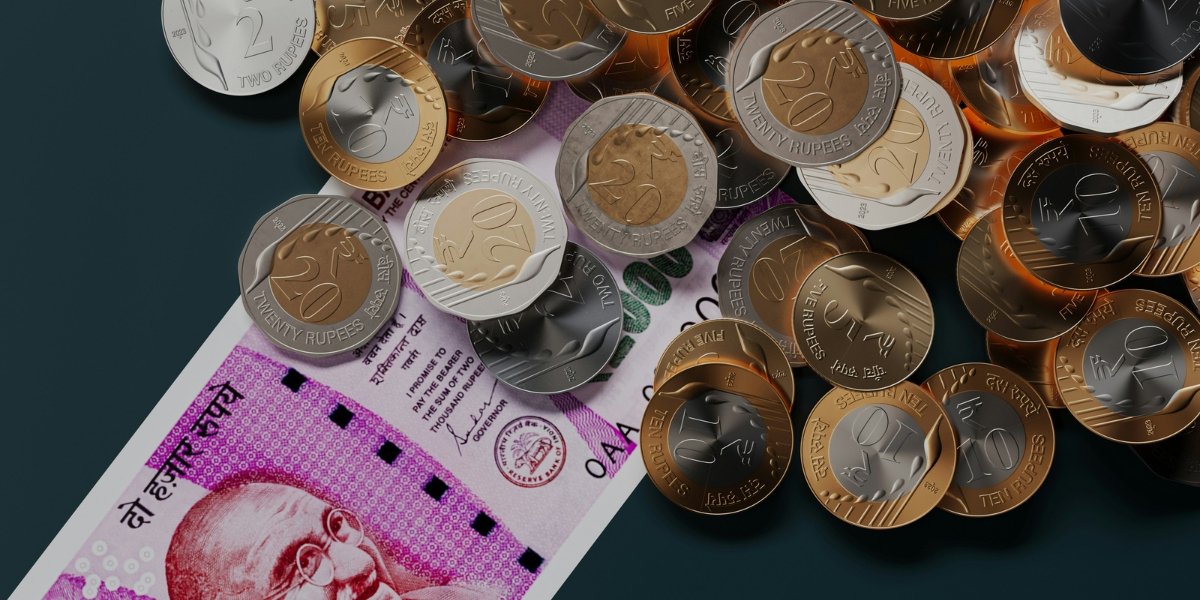
Photo Credit: Unsplash.com
For global investors, fluctuations in the Indian rupee offer critical insights into the overall health of emerging markets and global capital flows. As investors watch India’s monetary and fiscal policies, they will need to assess how India’s trade balance and foreign exchange reserves evolve amid these pressures.
Implications for U.S. Markets and Investors
The movement of the rupee directly impacts U.S. investors, particularly those with exposure to Indian markets or Indian corporations. When the rupee weakens, Indian companies’ dollar-denominated earnings may be affected, influencing their financial performance and stock prices. For U.S.-based investors, currency fluctuations can alter the relative value of their investments in India, especially for those holding equities, bonds, or commodities tied to Indian performance.
The capital flows into and out of India are indicative of broader shifts in global market sentiment. When currency pressures increase, foreign institutional investors may become more cautious, leading to reduced demand for Indian equities or debt. This, in turn, could have ripple effects on broader market liquidity and volatility, affecting global investor sentiment and potentially altering risk pricing in U.S. financial markets.
Currency Hedging and Risk Management
Given the heightened volatility in the Indian rupee, U.S. investors must consider currency hedging strategies as part of their emerging market allocation. Hedging against currency risk can help protect investments from the fluctuations of the rupee, ensuring more stable returns despite global and local economic pressures. The increasing use of currency-hedged exchange-traded funds (ETFs) and other financial instruments allows investors to mitigate the risk of significant currency moves, offering greater certainty in their investment decisions.
For institutional investors, managing the risks associated with currency volatility is becoming increasingly crucial in a world of interconnected global markets. Currency strategies tailored to Indian market exposure can help mitigate losses due to adverse exchange rate movements while maximizing potential gains.
The Future Outlook: Navigating Indian Currency Pressures
Looking ahead, India’s economic trajectory will largely depend on how effectively it manages its currency pressures and capital flows. With global interest rates expected to remain high, the impact on capital movement will continue to weigh heavily on the Indian rupee. As India seeks to diversify its sources of foreign investment and bolster its financial markets, how it navigates these external and internal challenges will be critical in shaping its economic future.
As we enter 2026, the combination of continued domestic growth, external factors like the U.S. Federal Reserve’s monetary policy, and evolving global trade dynamics will dictate whether India’s currency will stabilize or face more prolonged volatility. Investors need to remain agile and informed, leveraging up-to-date market data to make the most of opportunities in India’s growing economy while mitigating the risks tied to currency fluctuations.