Market Daily

How Plant Care Co Enhances Property Value with Thoughtful Landscaping Design

The exterior of a building is often the first impression for clients, visitors, and employees. A well-maintained and thoughtfully designed landscape not only increases aesthetic appeal but also protects property value and supports the functionality of the site. Plant Care Co, a Dallas-based landscaping company, specializes in creating building landscapes that balance beauty, sustainability, and practical performance. Carefully planned landscapes enhance the surrounding environment, complement building architecture, and provide long-term value for property owners.

Comprehensive Landscape Planning

Effective building landscaping begins with careful site assessment. Factors such as building orientation, sun exposure, soil quality, and existing vegetation are analyzed to design a cohesive and practical outdoor space. Plant Care Co develops customized plans that incorporate lawns, gardens, shrubs, trees, and hardscape features while considering traffic flow, accessibility, and long-term sustainability. Advanced 3D renderings allow property owners to preview the final design, ensuring every element aligns with the building’s architecture, aesthetic vision, and functional requirements. Additional considerations, such as wind patterns, shade, and drainage, are incorporated to optimize plant health and visitor experience.

Functional and Aesthetic Design

Building landscaping combines visual appeal with functional design. Pathways guide visitors safely through the property, seating areas encourage outdoor interaction, and plantings provide shade, privacy, and natural beauty. Seasonal flowers and greenery enhance the property’s appearance year-round, creating a welcoming environment for both employees and visitors. Landscaping also acts as a buffer against environmental challenges, such as excessive heat, wind, or erosion, protecting the building structure and surrounding areas. Thoughtful placement of ornamental elements, accent plants, and focal points contributes to a cohesive and memorable exterior space.

Sustainability and Low-Maintenance Solutions

Sustainable practices are integral to building landscaping. Plant Care Co emphasizes the use of native and low-maintenance plants to minimize water usage, reduce long-term upkeep, and encourage resilience in changing weather conditions. Efficient irrigation and drainage systems ensure plant health while safeguarding the property against water-related damage. Selecting appropriate plant species also supports local biodiversity, attracts pollinators, and promotes environmental stewardship. By integrating sustainable materials for pathways, mulch, and decorative elements, each landscape achieves both visual appeal and ecological responsibility.

Enhancing Property Value and Appeal

A professionally landscaped building conveys professionalism, care, and attention to detail. Beyond aesthetics, these landscapes can increase property value, improve tenant satisfaction, and enhance community perception. Thoughtful placement of greenery, seating areas, and other features creates a functional and attractive environment that benefits employees, visitors, and residents alike. Well-maintained outdoor spaces also contribute to safer walkways and reduced maintenance issues over time. Buildings with inviting landscapes tend to attract higher-quality tenants, encourage longer stays, and support positive interactions among community members.

How Plant Care Co Enhances Property Value with Thoughtful Landscaping Design

Photo: Unsplash.com

Ongoing Maintenance and Care

Regular maintenance ensures the longevity and appearance of a building’s landscape. Plant Care Co provides comprehensive maintenance programs that include seasonal plant rotation, pruning, fertilization, irrigation system management, and pest control. Continuous care preserves the visual appeal, supports plant health, and maintains the property’s professional image. Scheduled maintenance plans also allow property owners to budget effectively and anticipate seasonal needs while ensuring the landscape continues to meet aesthetic and functional goals throughout the year.

Building landscaping is an essential investment for property owners seeking to maximize aesthetic appeal, functionality, and long-term value. Plant Care Co’s expertise in design, installation, and maintenance ensures that each building landscape is sustainable, attractive, and tailored to the property’s unique characteristics. By integrating functionality with beauty, property owners can create spaces that impress visitors, enhance employee experience, support environmental responsibility, and safeguard the value of their investment for years to come. Every element, from plant selection to hardscape design, is curated to deliver enduring appeal and operational efficiency.

Lead Like a CEO: Beverly Flores on Owning Your Career

By: Treasure Tunnel

If you’re waiting for your boss—or your company—to map your career path, you’re already behind. Today’s business landscape isn’t just fast; it’s volatile and fiercely competitive. Traditional ladders have been replaced by lattice structures, zigzag pivots, and the urgent need for self-directed growth. This is why Beverly Flores, former Fortune 100 leader and founder of Thyme Out Consulting LLC, is issuing a bold call: It’s time to become the CEO of You™.

“Leaders today don’t need more rules—they need more self-leadership,” Flores says. You can’t outsource your career strategy anymore. If you want to stay relevant, you need to start treating your personal brand like your most valuable asset.”

After a 24-year career at John Deere, where she led global teams and multi-million dollar projects, Beverly launched her leadership consultancy to help high-performing professionals take command of their trajectory. Her work isn’t just about visibility or influence; it’s about building a career rooted in authenticity and driven by a clear, personal mission.

So, how do you step into the role of CEO for your career? Flores shares five core strategies from her popular keynote and workshops.

Five Strategies for Building a Powerful Personal Brand

1. Shift from Job Title to Value Proposition

Most professionals describe themselves by their current role. But what happens when that role changes—or disappears?

“Your title isn’t your identity; it’s a temporary assignment,” Flores clarifies. “Your value proposition is what companies and clients invest in. You need to be able to clearly articulate what challenges you solve, who you serve, the impact it creates, and why it matters.”

Action Question: If your name came up in a strategic meeting, what would people say you’re known for- or would they just say your title?

2. Build Brand Equity with Every Interaction

According to Flores, everything you do contributes to—or subtracts from—your leadership brand. This includes how you show up on Zoom, how you navigate conflict, and how clearly you communicate your boundaries. This isn’t pressure when you realize you own that brand.

“This isn’t about being perfectly polished; it’s about being intentional,” Flores explains. “Your presence, your tone, your follow-up—all of it communicates your credibility long before your résumé does. People remember how you make them feel as much as what you accomplish. Show up with confidence, presence, and authenticity.”

3. Use the EEI System™ to Stay Aligned Under Pressure

Flores developed a proprietary framework, which she teaches in her coaching programs, called the EEI System™: Energy, Enthusiasm, and Intensity.

“When these three aspects are aligned, you’re in flow. When they’re scattered, you burn out,” Flores says. 

“The most successful leaders don’t have more time; they manage their personal resources—their energy and focus—with precision.”

The key is to audit your day. When you’re operating with high energy, genuine enthusiasm, and the right level of intensity for the task, you’re building brand equity. If a task consistently drains you, it’s a signal to reassess whether it belongs in your calendar or your career.

4. Master Strategic Adaptability

In a turbulent market, adaptability is critical, but Flores is quick to point out that it’s not the same as being reactive.

“Strategic adaptability isn’t about chasing every trend or abandoning your values when the market shifts,” she notes. “It’s about staying rooted in your core identity while flexing your strategy to meet the moment.”

She teaches three leadership moves every adaptable professional must master:

  • Challenge, Cause, Change: A practical method for diagnosing the real source of a problem (the Cause), moving beyond surface-level reactions to create lasting, meaningful change.
  • Listen to Your Intuition: The ability to blend data with your inner guidance in key decisions. This creates deeper alignment and more authentic connections with stakeholders.
  • Choose Alignment Over Attachment: The courage to let go of outdated roles, projects, or expectations that no longer serve you, freeing you to pursue more meaningful and aligned work.

5. Invest in Your Narrative Like It’s a Marketing Asset

Your résumé tells people what you’ve done. Your personal narrative tells them who you are and where you’re going. It’s often the difference between being considered for a promotion, a board seat, or a game-changing partnership.

Flores teaches leaders to craft a personal brand statement using their core values and future goals, then strategically update key assets like their LinkedIn headline and professional bio to reflect that narrative.

“Don’t wait for the annual review to manage your story,” she advises. “Your narrative should be working for you 24/7.”

Leadership is No Longer a Title

From Manager to CEO: Putting It All Together

In a world where layoffs, reorgs, and AI are reshaping the workplace daily, leadership is no longer a title—it’s a mindset.

“Whether you’re managing a global team or launching your first side hustle, your ability to own your influence is what creates career durability,” Flores says.

These are the exact principles she explores in her highly-rated keynote and workshop, “The Leadership Imperative: Why Your Personal Brand is Your Greatest Asset.” Participants leave not only with a clear, compelling personal brand statement but also with a 30-day action plan to put these strategies to work and lead with courage immediately.

Whether you’re looking forward to the C-suite or charting your own path, Beverly Flores’ message is clear: the future belongs to those who lead themselves first. Onwards and Upwards! 

To learn more about Beverly Flores and Thyme Out Consulting, visit www.thymeoutconsulting.com or follow her on LinkedIn.

Jake Arnold Explains Why Every Local Business Needs AI to Survive the Future

By: Elowen Gray

Walk into any small business today and you’ll still find handwritten notes, manual processes, and staff working long hours to keep things running. But as industries evolve, that old way of doing things is quickly fading. Artificial intelligence is no longer something only big tech companies use—it’s becoming essential for everyday operations. Jake Arnold, founder of Grow AI, believes this shift isn’t just coming—it’s already here.

Arnold built his reputation by helping everyday professionals and business owners learn how to launch and scale AI-powered service agencies. His company, Grow AI, isn’t another coaching program or tech startup—it’s a blueprint for the next generation of entrepreneurs who want to capitalize on the rise of AI without needing to be technical experts.

Why AI Isn’t Optional Anymore

Arnold says the biggest challenge facing local and mid-sized businesses isn’t awareness—it’s action. “Most business owners know AI exists,” he explains, “but they don’t know how to use it in a way that makes sense for their operations.”

As labor costs rise and margins shrink, many small businesses are feeling the pressure. Tasks like lead generation, data entry, customer service, and scheduling eat away at time and budgets. AI tools now automate these repetitive processes at a fraction of the cost. But most owners don’t have the time or technical skill to implement these tools properly—that’s where Grow AI’s members come in.

Grow AI teaches professionals to launch their own AI service agencies that provide these automation and efficiency solutions to businesses in need. Through Grow AI’s training, tools, and community, members learn to step into that role—helping traditional businesses modernize while creating profitable service models of their own.

The Grow AI Model: Teaching the New Generation of Agency Builders

Arnold describes Grow AI as the next evolution of the agency model. The company helps professionals build real, scalable businesses using AI tools and workflows that are already proven to work. Members get access to:

  • Full A-Z Training on how to start and scale an AI agency
  • Prebuilt tools and automation systems through the proprietary backend, Arbitrage OS
  • Weekly calls and coaching for sales, client acquisition, and tech implementation
  • A support community of agency owners sharing strategies and results 

This creates a unique dual-revenue model.

  1. Tuition: Members pay to join Grow AI’s ecosystem, learning how to build and run their agencies.
  2. SaaS Licensing: The end clients of those agencies license Grow AI’s Arbitrage OS platform—software that powers lead generation, prospect research, and automation delivery. 

This structure scales naturally: as each Grow AI member grows their agency, the platform grows with them, creating a mutually beneficial ecosystem.

Arnold notes that while his team operates their own agency, there’s a limit to how many clients they can serve directly. “We can only scale so high due to bandwidth limits servicing so many clients,” he says. “We’d rather scale horizontally—help others grow their own businesses—and one day partner with them at a higher level.”

The Window of Opportunity

Arnold often draws parallels between AI adoption and the early days of the internet. When websites first appeared, many small businesses ignored them. Years later, being online became non-negotiable. The same is now happening with AI.

He believes the opportunity lies in timing. “This isn’t something that will be around forever in its early stage,” Arnold says. “Right now, AI is replacing jobs and reshaping industries faster than any previous technology. Those who learn how to implement it today will lead tomorrow.”

That’s why Grow AI’s focus isn’t on making people software engineers—it’s on showing professionals how to bridge the gap between businesses that need AI and the tools that already exist to solve their problems.

Making AI Simple, Profitable, and Scalable

What separates Grow AI from typical “AI education” programs is its simplicity. Members don’t build new technology from scratch. Instead, they learn how to use existing tools effectively, applying them to industries that are already struggling with inefficiencies.

Arnold compares the approach to running a traditional service agency, but with automation as the product. Each member becomes a consultant who helps clients improve operations and save money—while running a business that’s low-overhead, scalable, and built for recurring revenue.

As more professionals turn to entrepreneurship, Grow AI gives them a framework that’s practical, future-proof, and designed for real-world impact. It’s not about coding or inventing new AI systems—it’s about learning how to use them to deliver measurable value.

A Future Built on Systems, Not Guesswork

Jake Arnold sees AI as more than just technology—it’s the foundation of modern entrepreneurship. By teaching others how to build their own agencies, he’s building a network of people equipped to help local businesses evolve and thrive in a changing world.

For small business owners, AI may still feel new or intimidating. But for Arnold and the growing number of entrepreneurs inside Grow AI, it’s the clearest path forward. The future of business belongs to those who can adapt, and Grow AI is helping a new generation do exactly that.


Disclaimer: The information provided in this article is for general informational purposes only. It should not be construed as professional advice, nor is it intended to replace or substitute for any advice or guidance from qualified professionals in any relevant field. Readers are advised to seek appropriate professional consultation before making any decisions based on the content of this article.

Shrinkflation vs. Skimpflation: The Hidden Tactics Brands Use to Cut Costs

In an environment marked by fluctuating costs and economic uncertainties, many brands have turned to strategies like shrinkflation and skimpflation to manage expenses without raising prices outright. These approaches, while subtle, are becoming more noticeable to consumers and are being used across various industries, from food production to household goods. While these tactics can help brands control costs, they also raise questions about transparency, fairness, and long-term customer satisfaction.

Both shrinkflation and skimpflation are ways that brands adapt to rising production costs, but they do so in different ways. Shrinkflation involves reducing the size or quantity of a product without changing its price, while skimpflation focuses on reducing the quality of the product or service, often while maintaining the same price. Understanding how these tactics work and the potential effects they have on consumers is key for anyone navigating today’s marketplace.

What Is Shrinkflation? How Brands Reduce Product Size Without Raising Prices

Shrinkflation refers to the practice of reducing the size or quantity of a product while keeping its price unchanged. This tactic is often used to manage rising production costs—such as increases in raw materials or transportation expenses—without having to increase the price that consumers pay. By shrinking the product, companies can avoid the negative perception that might come with a price hike, while still maintaining their profit margins.

Examples of shrinkflation can be found across numerous industries. In the food sector, snacks, beverages, and packaged goods may have their portion sizes reduced, such as a smaller bag of chips or a reduced quantity of a product in a box or can. These changes may not always be immediately noticeable to consumers, but over time, they can add up, leading to a situation where consumers are paying the same price for less product.

The tactic behind shrinkflation is subtle but effective in certain contexts. Brands may hope that consumers, who are often focused on prices rather than specific product quantities, may not notice the decrease in size. However, when such changes occur frequently or over a long period, they may affect consumer perception. Some consumers may begin to feel that they are receiving less value for their money, even if the price remains the same.

The Factors Behind Shrinkflation and Its Prevalence in the Market

Shrinkflation typically arises in response to external economic pressures, such as inflationary increases in the cost of raw materials, labor, or transportation. In these cases, companies may opt for shrinkflation as a more discreet way to manage higher costs compared to raising prices, which could risk alienating price-sensitive customers. By making a product smaller but keeping the price the same, companies may be able to keep their products competitive without drawing attention to the price increases that would otherwise accompany rising costs.

One of the reasons shrinkflation can be successful, at least in the short term, is that it may not be immediately apparent to all consumers. Those who buy in bulk, for example, might notice changes in package sizes more easily, but those who make smaller, more frequent purchases might not spot the reduction in size right away. While shrinkflation may appear as a small adjustment, its cumulative effect can eventually lead to significant changes in product value over time.

What Is Skimpflation? Reducing Product Quality Instead of Size

Skimpflation involves reducing the quality of a product or service without altering the price. While shrinkflation focuses on reducing the quantity, skimpflation focuses on altering the characteristics or ingredients that make the product what it is. This tactic might involve using lower-quality materials, simplifying features, or substituting more expensive components with cheaper alternatives.

In the food industry, skimpflation could take the form of using less expensive ingredients, such as substituting higher-quality oils with cheaper vegetable oils or reducing the amount of a premium ingredient. In non-food products, such as consumer electronics or clothing, brands might reduce the quality of components, materials, or craftsmanship, resulting in a product that looks similar but doesn’t perform as well or last as long as it once did.

Unlike shrinkflation, which may be less immediately noticeable, skimpflation can often be more apparent to consumers. For instance, if a product that was once known for its high quality suddenly begins to feel or perform differently, customers may quickly notice and feel that they are no longer receiving the value they expected. This reduction in quality can impact the long-term relationship between consumers and brands, particularly if customers begin to feel that the product no longer meets their needs or standards.

How Skimpflation Differs from Shrinkflation: Subtle Shifts in Quality vs. Size

While both shrinkflation and skimpflation aim to manage costs, they do so in distinct ways. Shrinkflation primarily focuses on reducing the quantity or size of a product, which may go unnoticed in the short term but accumulates over time. Consumers may still feel that they are getting a similar experience, despite the product being smaller, but they might gradually realize that their purchasing power has diminished.

Skimpflation, on the other hand, affects the experience of the product itself. Whether it’s through changes in texture, durability, or taste, skimpflation can have a more direct impact on consumer satisfaction. While shrinkflation may be easier for companies to implement without consumer backlash, skimpflation can lead to dissatisfaction if the reduced quality is noticeable enough. Consumers may be less forgiving when they perceive that they are no longer getting the value they expect, which can result in diminished brand loyalty.

The Consumer Experience: What Happens When Shrinkflation and Skimpflation Accumulate?

Both shrinkflation and skimpflation can subtly affect the consumer experience, especially when implemented repeatedly over time. While the initial changes may not seem significant, the cumulative impact of these cost-cutting measures can alter consumer perceptions and lead to dissatisfaction.

Consumers who are accustomed to a certain level of quality or quantity may notice changes when the product no longer meets their expectations. For instance, a snack that used to be a satisfying portion might leave a consumer feeling less satisfied, or a piece of clothing that once had superior fabric may now feel cheaper. These experiences can cause frustration and lead to a sense of diminishing value, even if the price has remained stable.

Moreover, when consumers begin to notice patterns of shrinkflation or skimpflation across multiple brands or products, they may become more discerning in their purchasing decisions. As awareness grows, consumers may start seeking out alternatives or reevaluating their loyalty to brands that have made such changes. This trend could lead to a shift in market dynamics, where consumers demand more transparency and value for their money.

Transparency and Communication: How Brands Can Navigate the Shrinkflation and Skimpflation Dilemma

In an environment where shrinkflation and skimpflation are becoming more common, communication with consumers is crucial. Brands that are transparent about the changes they are making to their products—whether it’s a reduction in size or a shift in materials—may have a better chance of retaining customer trust. Clear communication about why these changes are happening can help consumers understand the broader economic pressures that brands are facing, which may make them more willing to accept adjustments.

Additionally, brands that prioritize quality and consumer satisfaction may choose to find other ways to manage rising costs, such as improving efficiency in production or investing in innovation. By balancing cost-cutting measures with a focus on maintaining product integrity, companies may be able to protect their reputation while also managing their financial needs.

The Long-Term Implications for Brands and Consumers

Both shrinkflation and skimpflation can have lasting effects on brand loyalty and consumer behavior. Brands that rely too heavily on these tactics may risk alienating customers who value quality and transparency. If consumers feel that they are consistently getting less for the same price, they may start seeking out alternatives or switch to brands that offer a clearer sense of value.

On the other hand, brands that maintain a commitment to quality, offer transparency, and continue to provide good value may be able to weather economic challenges without losing customer trust. As consumer expectations evolve, companies may need to consider how they can adapt to market pressures while still maintaining the standards that their customers rely on.

In the end, how brands navigate the delicate balance between cost-cutting and maintaining consumer satisfaction will likely determine their long-term success in an environment marked by rising costs and changing consumer preferences.

How Stress and Uncertainty Influence Spending on Comfort Products

Stress, Uncertainty, and Consumer Behavior

Periods of stress and uncertainty often change the way people make financial decisions. Instead of focusing only on long‑term goals, many consumers shift attention to immediate needs that provide reassurance or relief. This behavior is not unusual. It reflects the human tendency to seek comfort when faced with challenges.

According to McKinsey’s ConsumerWise research, consumers under financial or emotional pressure often adjust spending patterns in ways that prioritize short‑term satisfaction. While some cut back on discretionary purchases, others redirect spending toward products that provide comfort, such as snacks, home goods, or personal care items.

This shift is not necessarily irrational. Behavioral economics shows that people value emotional stability as much as material goods. When stress levels rise, comfort products serve as small, manageable ways to regain a sense of control and wellbeing.


The Psychology of Comfort Spending

Comfort spending is closely tied to the concept of “emotional regulation.” When people feel anxious or uncertain, they often turn to familiar routines or products that provide reassurance. This can include food, beverages, clothing, or entertainment. These purchases act as coping mechanisms, offering temporary relief from stress.

The Euromonitor International Global Consumer Trends 2025 report highlights how consumers are becoming more conscious of their spending choices, balancing financial caution with the desire for comfort. Even when budgets are tight, small indulgences remain a priority because they provide psychological benefits.

Comfort products also carry symbolic value. A favorite snack or a cozy blanket may represent stability during uncertain times. These items remind consumers of safety, familiarity, and routine, which helps reduce feelings of unpredictability.


Economic Pressures and Small Indulgences

Economic uncertainty often leads to cautious spending overall, but comfort products tend to remain resilient. This is sometimes referred to as the “lipstick effect,” where consumers cut back on large expenses but continue to purchase small luxuries. These purchases are affordable ways to maintain a sense of normalcy.

The Philippine Daily Inquirer reported that consumers in 2025 are more conscious about spending, with many prioritizing wellness and emotional balance. This trend shows that even when people are careful with money, they still allocate resources to products that provide comfort.

Comfort spending is not limited to luxury items. It often includes everyday goods such as coffee, skincare, or streaming subscriptions. These purchases may seem minor, but they play an important role in helping people cope with stress.


Social and Cultural Influences

Spending on comfort products is also shaped by social and cultural factors. In many communities, sharing food or enjoying entertainment together is a way of reinforcing social bonds. During uncertain times, these shared experiences become even more important.

McKinsey’s research notes that people are spending more time at home and online, which has increased demand for digital entertainment and home‑based comfort products. Streaming services, gaming, and home cooking supplies have all seen growth as consumers seek ways to create comfort within familiar environments.

Cultural expectations also influence what counts as a comfort product. In some regions, traditional foods or rituals provide reassurance, while in others, wellness products or leisure activities play a larger role. These variations highlight how comfort spending reflects both individual psychology and collective identity.


Long‑Term Implications for Businesses

For businesses, understanding the link between stress and comfort spending is essential. Companies that provide affordable, accessible comfort products are often more resilient during economic downturns. Consumers may reduce spending on big‑ticket items but continue to support brands that offer small, meaningful comforts.

Transparency and trust also matter. When consumers are stressed, they want reassurance that the products they buy are safe, reliable, and aligned with their values. Brands that communicate clearly and demonstrate responsibility are more likely to retain loyalty.

The Consumer Expectations Survey Q2 2025 shows that consumer sentiment remains cautious, with many households adjusting budgets. Yet even in this environment, comfort products remain a steady category, suggesting that businesses in this sector can continue to thrive if they adapt to consumer needs.


Outlook for Comfort Spending

The outlook for comfort spending suggests that it will remain a consistent feature of consumer behavior during times of stress. While overall spending may fluctuate with economic conditions, the demand for small, reassuring purchases is unlikely to disappear.

As consumers become more conscious of both financial and emotional wellbeing, comfort products will continue to play a role in balancing these priorities. Businesses that recognize this connection can design products and services that meet both practical and emotional needs.

For consumers, the reassurance is that comfort spending is not a sign of weakness but a natural response to uncertainty. Small indulgences can provide stability, helping people manage stress while maintaining a sense of control.

The Significance of a Strong Tagline for Your Business

What a Tagline Represents

A tagline is a short phrase that captures the essence of a business. It communicates the brand’s purpose, values, or promise in a way that is easy to remember. Unlike a company name or logo, which may be abstract, a tagline provides clarity by telling customers what the business stands for.

According to All New Business, taglines act like a handshake that introduces a brand to the world. They are often the first words a customer associates with a company, making them a powerful tool for shaping perception. A strong tagline can create an immediate connection, while a weak or unclear one may leave customers uncertain about what the business offers.

The distinction between a tagline and a slogan is also important. While slogans are often tied to specific campaigns or products, taglines are more enduring. They serve as a consistent thread across marketing efforts, reinforcing the brand’s identity over time.


Building Recognition and Recall

One of the main functions of a tagline is to make a business memorable. In crowded markets, customers are exposed to countless brands every day. A concise and meaningful tagline helps a business stand out by giving people something easy to recall.

Research highlighted by Slogans Hub shows that short, emotionally resonant phrases are more likely to stick in consumers’ minds. This is why many of the most recognizable brands rely on taglines that are only a few words long. The simplicity makes them easier to repeat, share, and associate with the brand.

For small businesses, recognition is especially important. A tagline can act as a bridge between limited marketing budgets and customer awareness. By reinforcing the brand message consistently, even modest campaigns can achieve greater impact.


Communicating Values and Purpose

A tagline does more than attract attention. It also communicates what a business values and how it positions itself in the market. Customers often look for brands that align with their own beliefs or needs, and a tagline can signal that alignment quickly.

For example, a company focused on sustainability might use a tagline that emphasizes environmental responsibility. A business centered on innovation might highlight progress or creativity. According to Inkbot Design, taglines are brand messages at their most efficient, condensing complex ideas into a few words that resonate with audiences.

This clarity helps customers decide whether a brand is relevant to them. It also provides internal guidance, reminding employees of the company’s mission and reinforcing consistency across operations.


Differentiating from Competitors

In competitive industries, businesses often offer similar products or services. A strong tagline can highlight what makes one company different from another. This differentiation is not always about features or prices; it can also be about tone, personality, or customer experience.

For instance, two coffee shops may sell similar drinks, but one might emphasize community while the other highlights speed and convenience. Their taglines would reflect these differences, helping customers choose the option that best fits their preferences.

Differentiation through taglines is particularly valuable in markets where products are commoditized. By focusing on emotional or experiential qualities, businesses can create loyalty that goes beyond functional benefits.


Supporting Marketing and Advertising

Taglines play a central role in marketing campaigns. They provide a consistent message that can be used across advertisements, websites, packaging, and social media. This consistency reinforces brand identity and ensures that customers receive the same message regardless of where they encounter the business.

Advertising professionals often describe taglines as anchors. They tie together different elements of a campaign, ensuring that the overall message is clear and cohesive. Without a tagline, campaigns may feel fragmented or lack a unifying theme.

For businesses, this means that investing time in developing a strong tagline can improve the effectiveness of all marketing efforts. It ensures that resources spent on advertising contribute to building long‑term recognition and trust.


Emotional Connection with Customers

A tagline has the potential to create an emotional bond with customers. By using language that resonates with feelings rather than just facts, businesses can strengthen loyalty and encourage repeat engagement.

Psychologists note that people often make purchasing decisions based on emotion, even when they believe they are acting rationally. A tagline that evokes trust, excitement, or belonging can influence these decisions in subtle but powerful ways.

This emotional connection also supports word‑of‑mouth marketing. Customers who feel strongly about a brand are more likely to share it with others, and a memorable tagline gives them an easy way to do so.


Adapting to Changing Markets

While taglines are designed to be enduring, they may need to adapt as markets and customer expectations change. A company that shifts its focus, expands into new areas, or responds to cultural changes may update its tagline to reflect its new direction.

The process of updating a tagline should be handled carefully. Abrupt changes can confuse customers, but thoughtful updates can signal growth and relevance. According to All New Business, many brands have successfully refreshed their taglines while maintaining continuity with their past identity.

For businesses, the key is to balance consistency with flexibility. A tagline should remain recognizable while also reflecting the company’s current values and goals.


Outlook for Businesses Developing Taglines

The significance of a strong tagline lies in its ability to communicate clearly, build recognition, and create emotional connections. In an environment where customers are constantly exposed to competing messages, a well‑crafted tagline provides stability and focus.

The outlook is steady. Businesses that invest in developing meaningful taglines are more likely to achieve long‑term recognition and trust. While products and campaigns may change, a tagline can remain a constant reminder of what the brand represents.

By understanding the role of taglines and applying them thoughtfully, companies can strengthen their identity and ensure that their message resonates with customers across different markets and contexts.

Walter Johnson: Transforming Manufactured Housing from Trailer Parks to Thriving Communities

By: AK Infinite

For decades, “trailer parks” carried a stigma — shorthand for transience, instability, or economic hardship. Yet beneath the outdated label lies one of America’s most resilient and rapidly evolving forms of housing. Manufactured communities are stepping out of the shadows, redefining affordability, and demonstrating that safe, welcoming neighborhoods can exist without the high price tags.

Across the country, manufactured housing is transforming from an overlooked option into a cornerstone of stability. Once dismissed as temporary or second-rate, these communities now offer something deeply human: affordable homes, supportive neighbors, and the chance to build a life with dignity. As housing costs continue to rise, they are increasingly seen as one potential solution to one of the nation’s most pressing challenges — providing livable, sustainable housing at scale.

A Journey Beyond the Stigma

The history of manufactured housing is complicated. Emerging in the mid-20th century, “mobile homes” were often synonymous with impermanence. Trailers could be moved, communities were sometimes poorly regulated, and the image of the “trailer park” became ingrained in pop culture as a symbol of marginalization.

But the reality today is considerably different. Manufactured homes are no longer built to be moved regularly. They adhere to rigorous building codes and safety standards, often comparable to traditional single-family homes. Modern communities may feature landscaped streets, shared amenities, and homeowner associations that encourage a sense of pride in place. The shift is clear: what once was viewed as a last resort is now considered a smart, stable choice.

Across America, manufactured housing communities are being reimagined as vibrant, interconnected neighborhoods. They offer families affordable entry points into homeownership, retirees find stability without the burdens of high property taxes, and working professionals explore communities that provide both convenience and connection.

The appeal lies not only in affordability but also in community spirit. Unlike large apartment complexes where anonymity can thrive, manufactured housing neighborhoods often emphasize neighborly interaction and support. From block gatherings to volunteer initiatives, residents describe these spaces as more than places to live — they are places to belong.

A Visionary Leader in Affordable Housing

Few voices have been more committed to reframing the conversation around manufactured housing than Walter Johnson, founder of Sonos Capital. With over two decades of experience spanning multifamily, single-family, and mobile home park investments, Johnson has built a career on recognizing value where others might have overlooked it.

Through millions of dollars in real estate transactions, Johnson has demonstrated not only financial expertise but also a passion for educating others. By demystifying mobile home park investing, he has helped peers and investors better understand the potential in a niche that can often be overlooked. His leadership is rooted in a belief that affordable housing should not sacrifice dignity or community.

Beyond real estate, Johnson’s work is underpinned by a strong sense of service. His involvement with charitable organizations, such as Feed My Starving Children, the Boys and Girls Club, and the Ronald McDonald House, reflects a personal mission that extends far beyond financial considerations. For Johnson, investing in manufactured housing is as much about shaping lives as it is about shaping landscapes.

Sonos Capital provides accredited investors the opportunity to participate in the growth of this evolving sector. Its Fund 2 offers projected preferred returns of 10%, a projected internal rate of return of 24%, and forecasted cash-on-cash returns exceeding 20%. But the financial story is only part of the picture.

For Sonos Capital, investing in manufactured housing is intended to mean creating communities where residents feel proud to live. It aims to strengthen local economies, provide affordable stability, and foster spaces that uplift families and individuals alike. By bridging investor opportunity with human impact, the firm positions itself at the intersection of profit and purpose.

Manufactured Housing and the Future of Affordability

As cities and suburbs grapple with the growing affordability crisis, manufactured housing is gaining attention not as a stopgap but as a sustainable solution. These communities demonstrate that affordability does not have to come at the cost of safety, stability, or community pride. They provide an alternative to expensive multifamily units and government-subsidized housing, filling a critical gap in the market.

From “trailer parks” to thriving neighborhoods, the evolution of manufactured housing is reshaping America’s housing narrative. Leaders like Walter Johnson and firms like Sonos Capital are at the forefront of this transformation, showing that affordable living can be both practical and aspirational. For residents, it means more than a roof overhead — it can mean a place to grow roots, raise families, and thrive together.


Disclaimer: This article is for informational purposes only and reflects the author’s views. The financial projections and claims related to manufactured housing are based on available data and may vary. This content is not financial advice. Readers should consult a qualified professional before making investment decisions.

James William Bain: The Legal Side of Commercial Real Estate Investing that Most People Ignore

Commercial real estate transactions involve far more than just a location and price. Beneath the surface lies a complex web of legal considerations that, if overlooked, can potentially jeopardize even the most promising investments. From zoning constraints and lease structures to environmental compliance and title verification, each layer presents unique risks.

Investors often underestimate the scope of legal due diligence required, focusing instead on financial projections or market trends. The following guide, provided by , outlines key legal risks that are frequently underestimated in commercial property deals and how proactive legal planning could help safeguard investments from hidden liabilities.

Legal Risks Overlooked in Commercial Deals

Many investors focus heavily on numbers—purchase price, rental income, and potential appreciation—while overlooking legal details that can carry serious consequences. These hidden issues often surface only after the deal is closed, when resolving them could become more expensive and time-consuming.

Take lease disputes or zoning non-compliance as examples that may delay operations or limit how the property is used. Even experienced investors have faced challenges stemming from outdated contracts or overlooked easements. Addressing legal aspects early on can help avoid disruptions that might erode the return on the investment.

Zoning Laws and Land Use Restrictions

Zoning regulations dictate how a commercial property can be used, and assuming a site is suitable for a specific business without verifying its zoning status is a common and costly mistake. A property zoned for light industrial use may not legally support a retail business, which could derail an investment strategy. Changes to zoning ordinances can also occur after acquisition, creating unforeseen restrictions that affect long-term plans.

In some cities, zoning maps are updated frequently, and what was once permissible could change with new ordinances. Investors who skip this step often find themselves facing penalties or being forced to halt development plans altogether. Verifying land use permissions ahead of time ensures the investment aligns with legal realities, not just projections.

Lease Structures and Tenant Compliance

Omitting key clauses or failing to outline responsibilities clearly could open the door to prolonged disputes or even litigation. A vague termination clause or unclear maintenance obligations can quickly turn into financial liabilities. Some landlords might discover too late that they lack recourse for recurring tenant violations due to weak enforcement clauses in the lease.

Commercial tenants also have rights protected under federal and state law, and landlords are expected to meet those standards. Whether it’s ensuring property habitability or addressing accessibility requirements, missteps in lease agreements can lead to legal challenges that may eat into profits. Clear, compliant lease structures help minimize risk and preserve the value of the investment.

Title Verification and Ownership Clarity

A clean property title is essential for a smooth transaction, yet many buyers don’t dig deep enough during due diligence. Legal complications such as hidden liens or unresolved boundary disputes can remain buried until they interfere with financing or resale. Some issues, like conflicting ownership claims, might take months of legal back-and-forth to resolve.

Title insurance offers a layer of protection, but it doesn’t replace the need for a thorough legal review. In one case, a buyer discovered post-purchase that a neighboring property had a right-of-way cutting through his newly acquired lot. A simple title check beforehand could’ve flagged the issue and saved months of legal wrangling.

Environmental and Building Compliance

Environmental laws can dramatically influence the usability of a commercial site. Properties on former industrial land may carry contamination risks, triggering cleanup responsibilities that fall on the new owner. Ignoring environmental assessments could result in costly remediation and legal penalties. In some regions, failure to comply might also lead to criminal liability in extreme cases.

In addition to environmental concerns, properties must meet building codes and safety regulations. Failing to secure the proper permits or adhere to fire safety standards could lead to shutdowns or fines.

Legal Support During Property Transactions

Legal professionals play a key role throughout the property acquisition process. Their guidance ensures contracts, disclosures, and negotiations are aligned with current laws and best practices. Without this support, investors might unknowingly agree to unfavorable terms.

Some investors cut corners by skipping legal review, assuming the deal is straightforward. But even a seemingly simple purchase can hide legal traps. Having a real estate attorney involved from the start not only safeguards the transaction but also reinforces long-term confidence in the asset’s reliability. Legal professionals can also assist in risk forecasting, helping investors make informed decisions beyond the immediate transaction.


Disclaimer: The content in this article is provided for general knowledge. It does not constitute legal advice, and readers should seek advice from qualified legal professionals regarding particular cases or situations.

Looking Into the Effectiveness of CRM Systems

Understanding CRM Systems

Customer Relationship Management (CRM) systems are software platforms designed to help businesses manage interactions with customers and prospects. They centralize data such as contact information, purchase history, and communication records, making it easier for teams to track relationships and identify opportunities.

According to CRM.org, CRM adoption continues to expand, with more than 90 percent of companies with over 10 employees now using some form of CRM. These systems are no longer limited to large corporations; small and medium‑sized businesses also rely on them to organize customer data and improve efficiency.

The effectiveness of CRM systems lies in their ability to provide a single source of truth. By consolidating information, they reduce duplication, improve communication across departments, and support better decision‑making.


Measuring Business Impact

The effectiveness of CRM systems can be measured by their impact on sales, customer retention, and productivity. Research shows that companies using CRM platforms report higher conversion rates and stronger customer loyalty. According to Clarify, businesses that implement CRM effectively can see customer retention rates improve by as much as 27 percent.

Sales teams benefit from CRM by gaining visibility into the customer journey. Automated reminders, lead scoring, and pipeline tracking help prioritize prospects and close deals more efficiently. Marketing teams use CRM data to segment audiences and tailor campaigns, while service teams rely on it to resolve issues quickly.

These improvements translate into measurable financial outcomes. Increased retention reduces the cost of acquiring new customers, while higher productivity allows teams to achieve more with fewer resources.


Enhancing Customer Experience

CRM systems are not only about internal efficiency; they also shape the customer experience. By tracking preferences and past interactions, businesses can personalize communication and anticipate needs. This creates a sense of recognition and trust, which strengthens relationships.

According to Digital Silk, 74 percent of businesses using CRM report improved customer relationships. Features such as automated follow‑ups, personalized offers, and integrated support channels ensure that customers feel valued and understood.

Personalization also reduces frustration. When service representatives have access to a customer’s history, they can resolve issues without requiring repeated explanations. This responsiveness builds satisfaction and increases the likelihood of repeat business.


Integration With Other Tools

The effectiveness of CRM systems is amplified when they integrate with other business tools. Modern platforms often connect with email, accounting software, e‑commerce platforms, and social media. This integration allows businesses to capture data from multiple sources and create a more complete picture of customer behavior.

For example, linking CRM with email marketing platforms enables automated campaigns triggered by customer actions. Integration with accounting systems provides insights into payment history and outstanding balances, helping sales teams tailor their approach. Social media integration allows businesses to track engagement and respond to customer feedback in real time.

These connections reduce manual work and ensure consistency across channels. They also provide leadership with comprehensive reports that combine financial, marketing, and service data, supporting more informed strategic decisions.


Challenges in CRM Implementation

While CRM systems offer significant benefits, their effectiveness depends on proper implementation. Common challenges include low user adoption, poor data quality, and lack of customization. If employees don’t consistently update records, the system loses accuracy and value.

Training is essential to overcome these barriers. Teams need to understand not only how to use the software but also why it matters. Clear processes for data entry and maintenance help ensure reliability. Customization is also important, as businesses differ in their workflows and customer touchpoints.

According to CRM.org, 22 percent of sales professionals still report uncertainty about what CRM actually does. This highlights the need for clear communication and leadership support during implementation. Without these, the system risks becoming underutilized.


The Role of AI and Automation

Artificial intelligence (AI) and automation are expanding the effectiveness of CRM systems. AI can analyze large volumes of customer data to identify patterns, predict behavior, and recommend actions. For example, predictive analytics can highlight which leads are most likely to convert, helping sales teams focus their efforts.

Automation reduces repetitive tasks such as sending follow‑up emails, scheduling appointments, or updating records. This frees employees to focus on higher‑value activities such as building relationships and closing deals.

As Clarify notes, the integration of AI into CRM is expected to grow significantly, with businesses increasingly relying on machine learning to enhance personalization and efficiency. This trend suggests that CRM systems will continue to evolve, offering even greater value in the years ahead.


Outlook for CRM Effectiveness

The effectiveness of CRM systems is clear in their widespread adoption and measurable impact on business performance. They improve sales outcomes, strengthen customer relationships, and enhance productivity across departments. Their value increases when integrated with other tools and supported by AI‑driven insights.

Challenges remain, particularly in ensuring user adoption and maintaining data quality. However, with proper training and leadership support, these obstacles can be overcome. The continued evolution of CRM technology suggests that businesses will find even more ways to leverage these systems for growth and customer satisfaction.

For organizations of all sizes, CRM systems represent a practical and proven way to align teams, understand customers, and make data‑driven decisions. Their effectiveness lies not in the technology alone but in how businesses apply it to meet their goals.

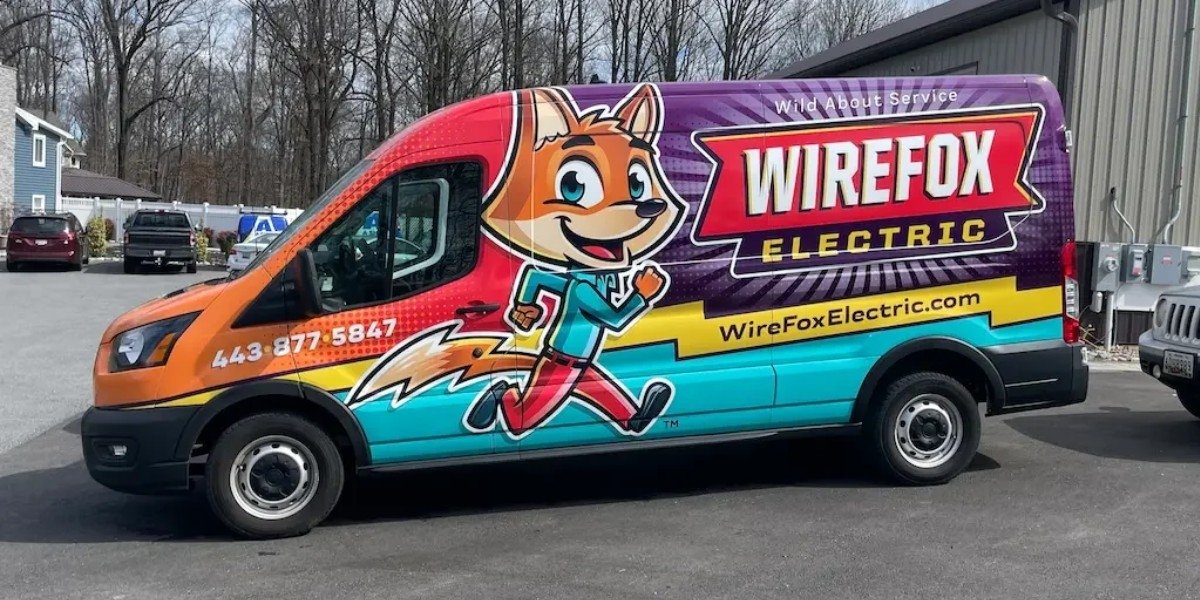
WireFox Electric Sets a New Standard for Safety, Clarity, and One‑Trip Repairs in Maryland Homes

A Safety and Performance Evaluation Before Any Work Begins 

WireFox Electric is raising expectations for what homeowners can expect from an electrical contractor. The locally owned and family-operated company starts every visit by listening. Clean‑cut, articulate technicians take time to understand the customer’s concerns, then conduct an electrical safety and performance evaluation before they touch a tool. That evaluation is designed to uncover fire and safety hazards, track down the root cause of issues, and surface opportunities to improve efficiency and reliability. Clear education is part of the process, so customers understand what is happening in their homes and why a solution is recommended.

Fixed, Up‑Front Options Backed by a Seven‑Year Warranty 

Many homeowners feel stuck playing time‑and‑materials roulette. WireFox Electric replaces uncertainty with multiple flat‑rate, fixed‑price options and plain‑language explanations. Each option is tailored to the home and to the customer’s budget, and the company backs its workmanship inside the home with a seven‑year warranty. That pledge is supported by a culture of professional service, an on‑time assurance, and a commitment to transparency that mirrors how homeowners want to buy services today. Military discounts and BBB A+ accreditation reinforce the company’s consumer‑first posture.

A Warehouse‑on‑Wheels for Faster Service 

Speed matters when the lights are out or a breaker keeps tripping. WireFox Electric equips fully stocked service trucks like a warehouse on wheels. With more than 2,000 items on board, technicians complete one‑trip fixes 97 percent of the time. That preparation reduces downtime, avoids repeat visits, and helps keep projects on schedule. The result is efficient work without cutting corners.

Respect for Your Home, Start to Finish 

Homeowners often worry about dust, debris, and footprints on a busy service day. WireFox Electric addresses these concerns at the door. Technicians wear floor‑saving covers, tidy the work area, and leave spaces cleaner than they found them. They work carefully to minimize holes and use alternative methods whenever possible to preserve finishes and avoid unnecessary disruption. The same respect extends to communication. Technicians answer questions, explain tradeoffs, and make recommendations without jargon.

Older Homes, New Demands 

Homes built before 1990 face different electrical realities. Codes have been updated many times since those houses were constructed, which means safety updates are often prudent. WireFox Electric focuses on pragmatic modernization for these properties. From panel evaluations to grounding, surge protection, GFCI and AFCI coverage, and load balancing, the team prioritizes the improvements that make the biggest difference in day‑to‑day safety and performance. The company is also helping homeowners navigate modern loads such as electric vehicle charging, dedicated circuits for home offices, and smart panels that coordinate energy use and provide real‑time monitoring. For many, these upgrades increase resilience while offering better insight into energy costs.

What Customers Are Saying 

Customers describe a consistent experience built on expertise, patience, and follow‑through. “We had an outstanding experience with Ted the electrician. From the moment he arrived, Ted was friendly, professional, and incredibly knowledgeable. He answered all of our questions with patience and clarity. It’s rare to find someone who not only knows their craft so well, but also genuinely cares about making sure the customer feels informed and confident. If you’re looking for someone reliable, trustworthy, and truly skilled, we can’t recommend Ted highly enough,” wrote Karen Hereford. Another homeowner, Sam Ulan, shared, “Excellent, prompt and knowledgeable service. Ted has installed a couple of Level 2 chargers for me, including running a 220 line from the service box in the basement to the garage. He is a very nice man, too. I recommend him highly.” Feedback like this underscores the company’s focus on craftsmanship and communication.

Connect With WireFox Electric 

Homeowners can explore services, schedule assessments, and learn about the Power Peace‑of‑Mind Package, which includes a digital safety and performance report and a 30‑day personal follow‑up to ensure systems are operating as intended. To get started, visit the WireFox Electric website. Project walk‑throughs, tips, and behind‑the‑scenes content are available on the WireFox Electric YouTube channel, and community updates can be found on the company’s Facebook page.

About WireFox Electric 

WireFox Electric serves Maryland homeowners with professional electrical diagnostics, repairs, and upgrades. The company is locally owned and family operated, offers military discounts, stands behind an on‑time assurance, and is BBB Accredited with an A+ rating. Every visit begins with listening and a comprehensive evaluation, followed by fixed, up‑front options and workmanship that is warrantied inside the home for seven years.