Market Daily

Reliable, 24/7 Property Recovery with Paul Davis Restoration of Southwest Montana

By:  Olivia Hughes

A Local Team Delivering National-caliber Results 

When property damage strikes in Bozeman, Big Sky, or anywhere across Southwest Montana, homeowners and business owners need more than a contractor; they need a calm, capable partner who knows exactly what to do and communicates every step. That is the commitment of Paul Davis Restoration of Southwest Montana. This veteran-owned, locally operated company pairs small-town care with the depth and resources of a respected national brand. Learn more about their services at the official site for Paul Davis Restoration of Southwest Montana.

Veteran Leadership, Family values, and IICRC-certified Expertise 

This team is veteran-owned and operated, which means discipline, integrity, and service are non-negotiable. The local leadership embraces a family-owned mindset—neighbors serving neighbors—with a professional culture anchored in industry credentials. Technicians are IICRC certified, and the company’s standards emphasize safety, clarity, and craftsmanship. The result is a premium experience for homeowners, property managers, and commercial clients who expect precision in both the work and the way people are treated.

Premium, Concierge-level Services From First Call to Final Walkthrough 

The company’s process is designed for speed without sacrificing quality. Calls are answered 24/7. Crews mobilize quickly to stabilize the site, mitigate further damage, and protect what matters most. From there, customers receive a clear plan that addresses both the technical and human sides of restoration. The team provides free estimates, including free in-home estimates, and manages details with a level of care typically reserved for concierge services.

Water, Fire, Smoke, Mold, Odor, Trauma, and Specialized Hazards 

Whether the emergency is water intrusion, fire and smoke, mold, persistent odors, or trauma and biohazard cleanup, Paul Davis Restoration of Southwest Montana brings specialized expertise to the job. The team is skilled in complex loss scenarios common to the region, including wildfire and smoke-related contamination, remote property logistics, and high-end finishes that demand meticulous attention. For commercial clients, HOAs, and institutions, emergency response coordination and First Priority Agreements help ensure readiness in the event of an incident.

Quality Backed By A Clear Workmanship Warranty 

Customers can feel confident knowing the company stands behind its work with a straightforward workmanship warranty for one year on the labor they perform. It is a simple, strong security: if something related to the team’s craftsmanship needs attention within twelve months, they will make it right.

Communication That Reduces Stress, Plus Guidance on Insurance Claims 

No one plans for a burst pipe or a kitchen fire. What makes the experience manageable is clear communication and reliable guidance. The team at Paul Davis Restoration of Southwest Montana provides proactive updates, explains options in plain language, and invites questions so there are no surprises. They also assist customers in managing insurance claims, helping to organize documentation, timelines, and expectations. The aim is to remove friction from an already stressful moment and restore peace of mind along with the property.

Transparent Updates, Options, And Advocacy 

Customers consistently praise the crew for being responsive, respectful, and thorough. Site assessments happen quickly, options are explained clearly, and follow-ups ensure nothing is missed. The company’s approach is to advocate for the property owner, coordinating with adjusters and stakeholders so the project proceeds efficiently.

What Customers in Southwest Montana Are Saying 

Real-world experiences tell the story best. One customer, Shea Oller, shared this after a significant fire loss: “From fire to flawless. After a fire in one of our apartments, PDR transformed what was a complete mess into something better than new. They listened to every request, answered every phone call, and kept me updated… Attention to detail was evident, and the end result is an apartment I’m proud to welcome the occupant back home to. Reliable, professional, and thorough. I wouldn’t hesitate to call them again.”

Another reviewer highlighted the team’s empathy and claims support: “Corbin was fantastic at walking me through the process and managing my expectations, and Barrett helped me navigate the intricacies of insurance claims. The entire staff was kind and caring.” That blend of technical skill and genuine care is echoed across reviews, with seamless drywall repair, flawless flooring installations, prompt responses, and job sites kept clean from start to finish.

Ready Around the Clock to Protect What Matters 

Paul Davis Restoration of Southwest Montana serves discerning homeowners and commercial clients who want work handled correctly the first time, with professionalism from the first call to the final walkthrough. The company is locally rooted, veteran-led, and built for urgent response at any hour.

For project videos and educational content, visit their YouTube channel. For community updates, customer highlights, and restoration tips, follow the team on their Facebook page.

Services at a Glance:

  • 24/7 emergency response
  • Water, fire, smoke, mold, odor, and trauma cleanup
  • Free estimates, including free in-home estimates
  • Insurance claim support and documentation
  • IICRC-certified technicians and professional service standards
  • One-year workmanship warranty on labor performed
  • Military discounts available
  • Locally owned, family operated, veteran-led

Property damage may be unexpected, but the response does not have to be. With rapid mobilization, meticulous craftsmanship, and clear communication, Paul Davis Restoration of Southwest Montana restores homes, businesses, and peace of mind across the region.

Paul Davis Restoration of Northeast Texas Elevates Full-Service Property Restoration for Homeowners

By: Olivia Hughes

A Full-Service Model That Helps Reduce Stress for Families

When water, fire, storm, or mold damage strikes, the recovery process can often feel overwhelming. Paul Davis Restoration of Northeast Texas aims to help families move forward with a single, accountable team that manages every phase of the job from emergency response through complete reconstruction. This full-service approach can reduce handoffs, help keep timelines on track, and provide homeowners with confidence that one plan and one standard of quality guide the work from start to finish. As a locally owned and family-operated business that is veteran-owned and woman-owned, the organization is deeply rooted in service to the community and committed to providing dependable care around the clock.

Training, Certifications, and Documentation That Remove Guesswork

Paul Davis Restoration’s biggest differentiator is how seriously the entire team takes preparation. Technicians train extensively before they ever step into a customer’s home, including controlled exercises that simulate real water loss scenarios. This training culture builds muscle memory, so mitigation and rebuild steps are more likely to be executed with precision. Field teams document work thoroughly, follow proven protocols, and communicate each phase clearly. The result is a restoration process that is orderly and repeatable, rather than improvised in the moment.

IICRC Certification and Texas Mold Licensing

Paul Davis Restoration of Northeast Texas is an IICRC Certified Firm with technicians who follow recognized industry standards for safety and quality. The company is also a Licensed Mold Remediation Contractor in the State of Texas and maintains BBB Accreditation with an A+ rating. These credentials reflect a commitment to doing things the right way and give homeowners and adjusters confidence that mitigation, remediation, and reconstruction are handled with professional oversight.

Integrity, Communication, and One Point of Contact

In high-stress situations, trust is earned through everyday actions. Crews arrive prepared, maintain clean and organized work areas, and keep residents informed from the first walkthrough to the final inspection. Every project is led by a dedicated point of contact who explains what is happening, why it matters, and what comes next. The team’s operating standard emphasizes integrity at every turn. They do not pad damage estimates, they do not cut corners when jobs get difficult, and they do not disappear once equipment is set. Homeowners receive consistent updates and clear expectations so they can plan their lives while the work progresses.

Insurance-Friendly Estimates and Clear Scopes

Restoration often intersects with insurance, which means documentation quality may determine how quickly a family gets back to normal. Paul Davis Restoration of Northeast Texas structures estimates in line with insurance standards and prepares line-by-line scopes that are easy to review. This can help reduce friction, speed approvals, and minimize the chance of out-of-pocket surprises. Because the same team manages both mitigation and reconstruction, momentum is maintained throughout the project. Daily monitoring, detailed notes, and clean paperwork support smoother collaboration with adjusters and property managers.

What Local Homeowners Are Saying

Customer feedback highlights the value of speed, clarity, and care. Ashley Riordan shared that her experience “exceeded expectations.” She described how the team answered the phone during weekend hours, deployed a crew within hours, stayed professional and timely from start to finish, and took time to explain each step with empathy. She concluded that there is no other company she feels more comfortable trusting with water damage and mentioned that Steven Remy and his team are often praised as high-tier.

Jamal Khoury emphasized both responsiveness and responsible planning. He recommended Paul Davis Restoration and noted that owner Steven Remy helped create a plan that kept the project within budget. Other reviews mention technicians by name and praise fast arrivals, respectful communication, and job sites left clean at the end of each day. These themes reflect the company’s goal to restore more than structures. The aim is to restore order, trust, and peace of mind for every family served.

How to Learn More and Stay Connected

Homeowners who want to understand services or request help can visit the official site for Paul Davis Restoration of Northeast Texas for service overviews and contact information. Residents who prefer video walk-throughs and tips can explore the company’s YouTube channel for educational content and project highlights. Community updates, photos, and conversations with neighbors are available on the company’s Facebook page, a helpful place to see recent work and connect with the team.

Popeye The Slayer Man Brings Chills to Streaming

Spooky season is here! There’s no better time to kick back, turn down the lights, and stream something truly chilling. One film that’s haunting everyone’s watchlist is Popeye The Slayer Man — now available on Apple TV, Prime Video, Tubi, and Fandango!

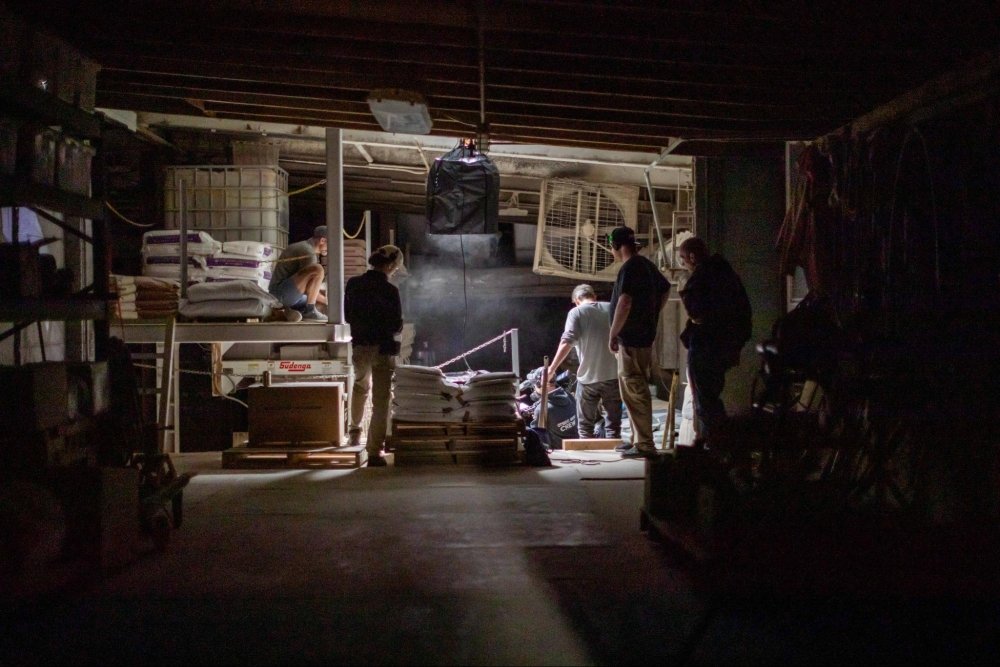
Follow a fearless group of friends as they break into an abandoned spinach canning factory to uncover the dark legend of the “Sailor Man,” a ghostly figure said to haunt the factory and the nearby docks.

Are you brave enough to face Popeye The Slayer Man? 

Popeye The Slayer Man is directed by Robert Michael Ryan, whose previous credits include How I Met Your Mother. After its theatrical release across the USA, this past spring, the film made waves in the horror community — the trailer alone racked up over a million views, going viral among fans eagerly awaiting its debut. Now that the haunting image of the “Sailor Man” has finally hit screens, horror lovers everywhere are diving in to experience the chills for themselves.

Popeye The Slayer Man was written and produced by the talented Jeff Miller, whose impressive credits include Angels Fallen: Warriors of Peace, currently streaming on Tubi and Prime Video. Joining him on the production team is Cuyle Carvin, known for his powerful performance in Zero Day alongside Robert De Niro, as well as numerous acclaimed film and television roles that have solidified his reputation in the industry.

The screenplay, penned by John Doolan, delivers a perfect blend of suspense, dark humor, and classic horror storytelling — a script that captures the eerie essence of the myth while breathing new life into the legend of the “Sailor Man.” Together, this creative trio has crafted a bold and unforgettable entry into modern horror cinema.

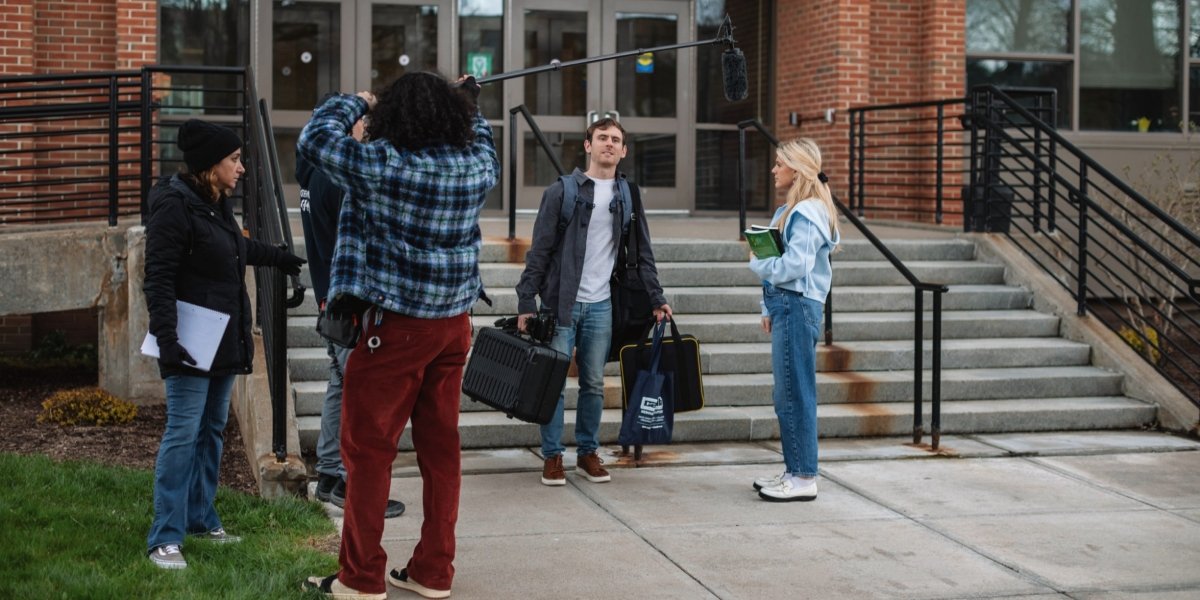
The talented cast of Popeye The Slayer Man brings the chilling story to life with unforgettable performances. Jason Robert Stephens takes on the role of the infamous Popeye, delivering a haunting and powerful portrayal that anchors the film’s dark legend. He’s joined by Sean Michael Conway (Dexter) and Elena Juliano (Olivia), whose on-screen chemistry adds depth and authenticity to their friendship as the group ventures into the abandoned spinach factory — a site plagued by a mysterious “spinach infection” that sets the tone for terror.

Popeye The Slayer Man Brings Chills to Streaming

Photo Courtesy: Dylan Avery

Rounding out the cast are Marie-Louise (Lisa) and Jeff Thomas (Seth), who bring humor and heart to the horror. Their natural banter and lighthearted energy provide a perfect balance to the film’s tension, giving audiences moments of relief amid the fear. Many fans have praised the duo for their scene-stealing performances and memorable dynamic, which keeps viewers rooting for them even as danger closes in.

Together, this ensemble creates a gripping mix of suspense, chemistry, and unexpected laughs — making Popeye The Slayer Man a standout in this year’s horror lineup.

Since its release, Popeye The Slayer Man has made a significant splash on the horror scene. Recently ranked as one of the seven best brand-new horror films of 2025, the movie continues to gain momentum among fans and critics alike. Following its theatrical debut and streaming success, Popeye was proudly featured at the Scare-A-Con Film Festival in Syracuse, where it received rave reviews for its originality and bold storytelling.

The film’s buzz doesn’t stop there — Popeye The Slayer Man earned a Fangoria Chainsaw Award nomination for Best Public Domain Resurrection, celebrating its creative reimagining of a familiar character through a dark, twisted lens.

What began as a warped spin on an iconic cartoon sailor has evolved into a full-force indie horror phenomenon, blending nostalgia, grit, and supernatural terror into one unforgettable cinematic experience.

The film’s success has extended far beyond the U.S., gaining an impressive international following. Popeye The Slayer Man is now streaming in Taiwan, Greece, Canada, across Europe, and Russia, captivating audiences around the globe. Fans have taken to social media to share their excitement and praise, reaching out directly to the cast to express how much they enjoyed the film’s eerie atmosphere, clever storytelling, and nostalgic twist on a familiar icon. The growing global fanbase proves that Popeye The Slayer Man isn’t just a cult hit, it’s becoming a worldwide horror sensation.

Popeye The Slayer Man Brings Chills to Streaming

Photo Courtesy: Dylan Avery

The talented cast of Popeye The Slayer Man hasn’t slowed down since the film’s success; each actor has continued to make waves in the entertainment industry. Sean Michael Conway has been busy filming the highly anticipated western TV series Elkhorn, showcasing his range as he transitions from horror to rugged frontier drama. Mabel recently took on another chilling role in the psychological thriller Peeping Todd, further cementing her reputation as a rising star in the genre.

Meanwhile, Marie-Louise continues to earn acclaim for her standout performance in Olive, directed by Tom Koch. The film has been making its mark on the festival circuit, screening at both HollyShorts in Los Angeles and Urbanworld in New York. Following her unforgettable turn as Lisa in Popeye The Slayer Man, Marie-Louise has become one of the most sought-after talents in indie horror — a true modern scream queen whose captivating presence leaves audiences wanting more.

If you haven’t already had the chance to catch this timely classic, it is now available on Apple TV, Prime Video, Fandango, and Tubi! Beautifully paired with a can of spinach.

Paul Davis Restoration of Greater Seattle Delivers Full Service, Fast Response, and Peace of Mind

By: Lily Coleman

Trusted Help When Minutes Matter

When property damage strikes, homeowners and businesses need professionals who arrive quickly, communicate clearly, and restore everyday life with minimal disruption. Paul Davis Restoration of Greater Seattle has built its reputation on precisely that combination of speed, transparency, and quality. The team serves the Puget Sound with 24/7 emergency response, led by IICRC-certified specialists and project managers who coordinate every phase from the first call to the final walkthrough. More information about services, service area, and emergency response is available on the company’s official website.

Truly Full Service Under One Roof

The company’s end-to-end model is designed to eliminate handoffs that can slow progress. Services include mitigation and dry out, careful demolition, in-house abatement, contents pack-out and restoration for textiles, electronics, hard goods, and furniture, secure storage, and complete reconstruction. This comprehensive scope means one accountable partner for the entire project. Crews can mobilize quickly, stabilize the loss, and proceed with repairs, maintaining continuity of leadership and documentation. For large commercial losses, Paul Davis Restoration of Greater Seattle can scale up swiftly to triage multiple floors and get facilities back online as soon as possible.

Trained, Certified, and Accountable

IICRC certified teams follow proven protocols that put safety and results first. That includes engineered containment, negative air when appropriate, and the correct deployment of industrial dehumidifiers, heaters, and air movers to achieve dry standards efficiently. The company provides daily mitigation reports and weekly construction updates, along with regular job progress summaries that keep everyone aligned. This cadence creates accountability and gives property owners confidence that milestones are being met.

Insurance Expertise That Reduces Stress

Navigating insurance can be confusing, so the team uses industry-standard estimating platforms such as Xactimate and T&M Pro and communicates proactively with adjusters. The goal is to restore first and replace only when necessary, which helps manage costs and timelines effectively. One homeowner, Danita L., shared that the team was compassionate, explained each step, and “only billed exactly what insurance approved to get the job done,” even accommodating a mid-project change once it was cleared. That kind of clarity lowers stress at a time when it is needed.

A Culture Built on People, Principles, and Professionalism

Locally owned and family operated, the Greater Seattle office is in its nineteenth year of serving the community. Leadership emphasizes three pillars that are present in every job: the company’s people, its principles, and its professionalism. That culture also includes a value the team calls “Have Fun on Purpose,” which comes through in respectful, upbeat interactions on site and in the office. The company supports community initiatives such as disaster relief and local rebuilding efforts, reflecting a belief that restoration is ultimately about helping people in a moment of need.

Customer Voices

Reviews highlight a consistent pattern of care and follow-through. After a complex water loss that affected multiple rooms and the garage, homeowner Susan Meisch praised the crew for being professional, respectful of her home and belongings, fast and efficient, and attentive to detail. She added that she “could not be happier,” noting the team’s ability to contain the situation, their daily check-ins, and their willingness to work around her schedule. Another customer, Melissa Shaw, put it this way: “If you are unfortunate enough to have water damage, skip the other options and go straight to Paul Davis,” calling the service efficient, clear, and quick and rating the experience “10 out of 10 for service and professionalism.” Consistent communication, clearly identified project managers, and coordination with insurers are common themes across recent feedback.

Commercial Readiness and Consistency

For property managers, schools, healthcare facilities, and other commercial clients, continuity is key. Paul Davis Restoration of Greater Seattle assigns dedicated teams so the same project managers oversee mitigation and reconstruction. Estimating and customer service support stay consistent as well. On large losses, the company can staff up with experienced personnel who understand commercial timelines, life-safety requirements, and the need to open critical areas quickly without compromising quality.

Quality Backed by a Real Guarantee

Workmanship matters long after the last fan leaves the site. Paul Davis Restoration of Greater Seattle offers a two-year workmanship warranty and works to help ensure that issues are addressed as needed. That commitment is supported by rigorous training, tenured team members, and an approach that prioritizes communication at every turn. Free consultations and estimates are available, and weekend appointments can be arranged upon request.

Eco-Conscious Restoration Mindset

Restoring what can be saved is not only efficient, it is responsible. The team’s restore-first approach limits unnecessary landfill waste, maintains architectural continuity where possible, and helps preserve finishes and contents that matter to owners. Careful scoping and documentation help ensure materials are dried, cleaned, or remediated to standard, and that replacements happen only when required for safety, function, or code compliance.

Stay Connected

Property owners seeking practical tips and a glimpse behind the scenes can explore the team’s project spotlights and educational videos on the YouTube channel. Community updates, seasonal reminders, and before-and-after moments are shared on the company’s LinkedIn page, which is also a convenient place to message the office for non-emergency questions.

About Paul Davis Restoration of Greater Seattle

Paul Davis Restoration of Greater Seattle is a locally owned and operated disaster restoration firm serving homes and businesses across the region. Services include water, fire, smoke, and mold mitigation, in-house abatement, contents restoration and storage, and full-service reconstruction. Teams respond 24/7 with IICRC-certified specialists, provide clear reporting during every phase, and support clients through the insurance process. The company is dedicated to providing reliable results with speed, communication, and care.

Paul Davis Restoration of Portland/Vancouver Sets the Standard for Full-Service Disaster Recovery Across the Northwest

By: Abigail Hayes

A Trusted Leader When It Matters Most

When water, fire, mold, or storm damage interrupts life or business, speed and certainty are everything. Paul Davis Restoration of Portland/Vancouver has built a reputation on both. As the largest restoration provider in the Northwest, the locally owned and family-operated team brings the scale and discipline required to stabilize losses quickly and restore spaces with care. With 160 trained professionals, a fleet of 100 vehicles, and more than 100,000 square feet of facilities, the company is equipped to mobilize at any hour and handle jobs of every size with precision.

Truly Full-Service From First Call to Full Recovery

Paul Davis Restoration of Portland/Vancouver operates as a single, accountable partner. Services span emergency mitigation and dry out, demolition, in-house abatement, contents restoration, and secure storage for textiles, electronics, hard goods, and furniture, followed by complete reconstruction. The result is a streamlined experience that avoids handoffs and delays. The team’s philosophy is straightforward: get it right or make it right. Because critical steps, such as abatement, are performed by in-house specialists, projects move faster and quality remains consistent.

Speed, Communication, and Quality Work

IICRC-certified specialists and project managers respond 24 hours a day. Two operational shifts run seven days a week, supported by an on-call team that can deploy at a moment’s notice. While crews address the immediate problem, customers receive clear updates. Daily reports are standard on mitigation assignments, with weekly status reports on reconstruction. Internal job progress reviews, held weekly or bi-weekly, keep every discipline aligned on scope, timeline, and next steps. This cadence gives property owners and commercial facility managers confidence that work is advancing on schedule and to spec.

What Customers Experience

Residents and businesses across the Portland and Vancouver communities consistently praise the company’s responsiveness and professionalism during stressful situations. As homeowner Jean Cavanaugh shared, at a time when she felt frustrated and vulnerable, the Paul Davis team arrived quickly, worked professionally, and left the home clean, earning her highest recommendation. Another customer, Mark Sohm, highlighted reliable appointments, prompt arrivals, thorough site isolation, and respect for the household, concluding simply, “Very professional service.” These are common themes in local feedback, reflecting a service culture that is both skilled and sincerely people-focused.

Certified Expertise and Insurance Collaboration

Restoration projects often unfold in parallel with insurance claims. The Paul Davis team collaborates closely with carriers and adjusters, creating an efficient path to approval and completion. Estimating is completed in industry-standard platforms like Xactimate for insurance work and T&M Pro for commercial time-and-materials jobs. The company’s approach is to restore first and replace only when necessary, which can shorten timelines and preserve budgets without compromising the final result.

Commercial Depth for Complex, Multi-Site Events

For property managers, schools, healthcare facilities, hospitality groups, and other commercial clients, Paul Davis Restoration of Portland/Vancouver maintains dedicated teams. The same project managers oversee mitigation and reconstruction for each account, supported by consistent customer service and estimating personnel who are familiar with the client’s standards. When a multi-floor loss occurs, the company can place 20 or more trained professionals on site to triage, dry, and stabilize the structure quickly, reducing secondary damage and operational downtime.

People, Principles, and Professionalism

The organization’s three “Uniques” guide its work: its people, its principles, and its professionalism. Tenure is unusually high in the restoration field, with many team members contributing for five years or more, several beyond ten years, and one veteran at seventeen years and counting. Technical training and certifications are complemented by soft skills such as empathy, active listening, and a commitment to follow-through. The fifth core value, “Have Fun on Purpose,” adds a sense of humanity to even the most challenging days. Customers often note that technicians are personable, caring, and protective of homes and belongings.

Community-Minded and Locally Invested

Nineteen years in, the company’s community ties run deep. Team members support charitable organizations, including the Red Cross, Rebuilding Together, A Caring Closet, Coats for Kids, and the Vancouver Food Bank. These partnerships reflect a belief that restoration is ultimately about caring for people as much as places. That ethic shows up on job sites and in volunteer events across the region.

A Warranty That Reflects Accountability

Paul Davis Restoration of Portland/Vancouver stands behind its work with a two-year warranty, and leadership is known to provide assistance even beyond that timeframe when circumstances warrant it. The commitment is simple: if there is a concern, the team will address it. That kind of accountability is possible because the company controls every step of the process and documents progress from the start.

Ready When Schools, Homes, and Businesses Need Help

From middle-of-the-night pipe breaks to storm surges and sprinkler discharges, urgency is part of the job. The company is structured for speed so that classrooms can open on time, families can return home safely, and businesses can resume operations with minimal disruption. Customers frequently cite the speed at which crews arrive and the clarity with which next steps are explained, which reduces stress and accelerates decision-making.

How to Connect

Property owners and facility leaders can learn more about services and service areas on the official website for Paul Davis Restoration of Portland/Vancouver. Visit the company site here: Paul Davis Restoration of Portland/Vancouver. For tips, behind-the-scenes looks at projects, and education on prevention and preparedness, explore the company’s YouTube channel. Local updates, community initiatives, and recent project highlights can be found on the Facebook page.

Goodbye Penny: How the US Ending 1-Cent Coin Production Saves $56M

In a bold move that will save taxpayers $56 million, the U.S. government has announced that it will cease the production of 1-cent coins starting in 2025. This decision, which has generated both excitement and controversy, marks a significant step in the country’s ongoing effort to streamline the coinage system and address rising production costs. As the U.S. moves away from the penny, it raises critical questions about the future of currency, the role of small denominations in the economy, and how this will affect both consumers and businesses.

The Rising Cost of Penny Production

The penny, once a staple in the U.S. currency system, has become increasingly costly to produce. According to the U.S. Mint, it costs approximately 2.1 cents to make a single penny. This means that each year, the U.S. government loses millions of dollars producing coins that are worth less than their actual manufacturing cost. In 2023 alone, the Mint spent an estimated $56 million producing pennies, a financial burden that has become unsustainable in an era of fiscal conservatism and inflation concerns.

The decision to stop producing pennies is rooted in economic efficiency. By halting penny production, the U.S. Treasury hopes to reallocate resources to more cost-effective coinage, such as the nickel and dime, which continue to serve essential functions in day-to-day transactions. The savings will also help offset the rising costs of other forms of currency production and management.

Economic Impact: A Boon for the U.S. Treasury

While the financial savings are immediately evident, the broader economic impact of ending penny production is more nuanced. The $56 million saved annually from halting penny production will have ripple effects throughout the economy, especially when it comes to federal spending. These funds will be rechanneled into areas that improve the efficiency of the overall coinage system, such as the production of quarters and other denominations that are more widely used.

From a business perspective, many small companies and merchants have long complained about the inefficiency of dealing with pennies. For businesses, handling small change costs both time and money. Retailers, in particular, will benefit from the elimination of the penny, as they will no longer need to keep large stocks of these low-value coins. The move is expected to streamline cash transactions, especially for those making small purchases or paying in cash, where pennies have often led to slow and frustrating exchanges.

A Shift Toward Digital Payments and Roundups

Goodbye Penny: How the US Ending 1-Cent Coin Production Saves $56M

Photo Credit: Unsplash.com

In addition to cost savings, the U.S. government’s decision to phase out penny production reflects the growing trend toward digital payments and cashless transactions. As credit and debit card usage increases, the need for physical coins—especially pennies—has diminished. According to the Federal Reserve, the volume of cash transactions has been steadily decreasing, with many consumers opting for mobile payments or contactless cards for even small purchases.

Another important factor contributing to this shift is the rise of rounding systems. In countries like Canada and New Zealand, which have already eliminated low-value coins, businesses often round prices to the nearest 5- or 10-cent increment, simplifying transactions. In the U.S., a similar rounding system may be adopted to replace the penny, especially in cash transactions. This could reduce the number of coins in circulation and make small transactions more efficient without creating undue hardship for consumers.

The End of an Era: The Penny’s Cultural Significance

While the financial benefits of eliminating the penny are clear, the move also signals the end of an era in American currency. The penny has long held cultural significance as a symbol of frugality and patriotism, often appearing in popular sayings like “A penny saved is a penny earned.” It also features one of the most iconic figures in U.S. history—President Abraham Lincoln, whose image has graced the coin for more than a century.

For many, the penny represents more than just a small denomination—it’s a piece of American heritage. The sentimental value attached to the penny may drive some resistance to the change. However, advocates argue that the move will ultimately reflect the country’s evolution toward a more streamlined and efficient monetary system.

What’s Next for U.S. Currency?

As the penny fades into history, the question remains: what’s next for the U.S. currency system? Will the nickel and dime follow suit, or will the U.S. eventually phase out even larger denominations? Some experts suggest that the government may explore further digitization of currency, with the introduction of digital dollars or a potential central bank digital currency (CBDC) in the near future.

For now, the focus will be on implementing the penny phase-out and adjusting to a coinage system that better aligns with modern economic realities. As the U.S. continues to navigate fiscal challenges and shifts in consumer behavior, it’s likely that more changes to the nation’s monetary policy will follow, further shaping the future of U.S. currency.

A Smooth Transition: Public Reaction and Industry Support

The U.S. Treasury’s move to eliminate the penny has garnered mixed reactions. While many financial experts and business leaders support the decision, some members of the public remain attached to the coin’s historical and symbolic significance. However, as the public increasingly embraces digital payments and the need for pennies continues to decline, the transition away from the penny will likely be seen as a practical step toward modernizing the U.S. economy.

Financial institutions, retailers, and economists are already adapting to this change. Many banks are working on strategies to ensure a smooth transition, including adjustments to their coin inventories and modifications to cash handling processes. At the same time, consumer education campaigns will help mitigate any confusion regarding rounding practices and changes to cash transactions.

Amazon Layoffs: Why Andy Jassy Blames ‘Culture,’ Not Cash or AI

Amazon’s recent wave of layoffs has drawn intense scrutiny from industry watchers and investors alike. While many expected the cuts to be a result of cash flow concerns or advancements in artificial intelligence, CEO Andy Jassy has pointed to a different culprit: the company’s culture. In a recent earnings call, Jassy explained that the layoffs were a strategic move to address internal cultural inefficiencies, with a focus on streamlining operations to adapt to a rapidly evolving market.

The Layoffs: A Strategic Cultural Shift at Amazon?

Over the past year, Amazon has shed thousands of jobs, particularly in its corporate and tech divisions. While layoffs are a common feature in the tech industry, especially amid economic uncertainty, Amazon’s case is different. Rather than citing the need to cut costs or eliminate redundant roles due to AI automation, Jassy has placed the blame squarely on Amazon’s “culture.”

Jassy’s assertion signals a shift in the company’s strategy. Amazon, once known for its aggressive expansion and fast-paced growth culture, is now rethinking how it operates internally. The layoffs, according to Jassy, are designed to “streamline” the company’s operations and promote a more focused, agile organizational structure. This strategic pivot is seen as a response to both external market challenges and internal inefficiencies that have emerged during Amazon’s rapid growth.

For investors and market analysts, understanding this shift is crucial. It suggests that Amazon is positioning itself for long-term resilience by refining its internal structures, rather than relying solely on external factors like cost-cutting measures or technological automation. This pivot could potentially strengthen the company’s ability to weather future market fluctuations, but it also raises questions about the sustainability of its current business model.

The Culture Problem: How Amazon’s Internal Dynamics Have Evolved

Amazon’s cultural transformation is not a new topic. Over the years, critics have pointed out that the company’s hyper-competitive environment and focus on relentless productivity have led to employee burnout and high turnover rates. Jassy’s statement about culture suggests that Amazon is acknowledging these internal tensions and attempting to recalibrate.

The company’s culture has always been a double-edged sword. On one hand, its “fail fast” approach to innovation and its customer-obsessed philosophy have driven Amazon’s remarkable success. However, the same drive for innovation has often led to an unsustainable work environment, where employees are expected to perform at extraordinarily high levels without always receiving adequate support.

In recent years, Amazon has faced increasing pressure to improve its employee relations, with labor protests and calls for better working conditions surfacing regularly. By focusing on culture in his explanation of the layoffs, Jassy seems to be positioning the company to improve its internal dynamics, aligning it with modern corporate governance standards that emphasize employee well-being alongside operational efficiency.

For market-savvy investors, Jassy’s comments suggest that Amazon is preparing for a post-pandemic reality in which the emphasis shifts from rapid growth to sustainable, long-term growth. This could have significant implications for the company’s market valuation, particularly as investors increasingly prioritize ESG (Environmental, Social, and Governance) factors in their decision-making.

AI and Automation: A Tighter Integration, Not a Replacement

Amazon Layoffs: Why Andy Jassy Blames 'Culture,' Not Cash or AI

Photo Credit: Unsplash.com

Although AI is often blamed for causing job losses in other tech companies, Jassy made it clear that the recent layoffs were not the result of AI or automation. Instead, Amazon is integrating AI in a more strategic and deliberate way, aligning it with the company’s existing workforce rather than replacing jobs wholesale.

Amazon has been investing heavily in AI for years, utilizing the technology across a range of business functions, from supply chain optimization to cloud computing services. However, unlike some of its competitors, Amazon has yet to fully automate many of its core operations. The company’s reliance on a large, diverse workforce has allowed it to maintain flexibility and adapt to changes in consumer demand.

For investors, this focus on strategic integration rather than wholesale automation is an important distinction. It suggests that Amazon is working to balance its technological investments with a workforce that can adapt to new tools and processes. This hybrid approach may ultimately position Amazon to capture the benefits of AI while preserving jobs and fostering a more sustainable, adaptable corporate culture.

Financial Implications: How Investors Should Respond

Jassy’s comments regarding culture and layoffs highlight a broader trend in the tech sector—companies are increasingly recognizing the need to adjust their internal dynamics to ensure long-term stability. While this may signal a shift toward more sustainable business practices, it could also create short-term volatility as Amazon and other tech giants adjust their strategies.

For investors, the key takeaway is the importance of understanding the long-term strategy behind these layoffs. While short-term cost savings may be a byproduct of the restructuring, Amazon’s emphasis on improving its culture and operations points to a deeper commitment to long-term growth and sustainability. Investors should watch closely for any future announcements related to workforce changes or organizational shifts, as these could provide further insights into how Amazon plans to navigate its next phase of growth.

The market will likely continue to react to Amazon’s efforts to balance innovation with cultural sustainability. As Jassy focuses on streamlining operations, investors should also keep an eye on how these cultural changes translate into financial performance. Amazon’s ability to adapt to the evolving market landscape—while maintaining a more balanced approach to growth—will be crucial in determining its future market trajectory.

The Road Ahead for Amazon: A Path to Sustainable Growth?

Amazon’s ongoing transformation is far from over. The company’s layoffs, framed within the context of a broader cultural shift, represent an attempt to recalibrate its internal operations for long-term success. By focusing on improving its corporate culture, Amazon is positioning itself to continue leading in a rapidly changing market environment. For investors, the key will be closely monitoring the company’s strategic moves and assessing how they impact Amazon’s ability to innovate and grow sustainably.

As the company continues to refine its approach to culture, labor, and technology, Amazon’s long-term value will increasingly depend on its ability to balance profitability with social responsibility—a challenge that many of today’s largest tech companies are facing.

Mood Boarding: A Secret Weapon for Graphic Design Superstars

Mood boarding has become an essential part of the creative process for designers, helping them organize ideas, define aesthetics, and communicate vision before beginning a project. Whether working on a logo, a brand identity, or a full campaign, mood boards bring clarity to early-stage design thinking.

A mood board is more than a collage of images. It’s a visual roadmap—a way for designers to collect references that express color, texture, typography, and tone. The practice bridges the gap between abstract concepts and tangible direction. By presenting these visuals early, designers and clients can align expectations and avoid costly revisions later.

This approach brings structure to creativity, allowing imagination and practicality to work together. For professional designers, it’s both a communication tool and a foundation for innovation.


What A Mood Board Is And Why It Matters

A mood board is a collection of visual elements that represent a project’s intended style and emotional direction. These elements can include photographs, typography, textures, color palettes, and even snippets of written text. Together, they create a visual summary of how a project should feel and look.

Designers use mood boards at the beginning of projects to test ideas and find a unified style. Instead of jumping straight into detailed design work, they start by exploring different aesthetics. This makes it easier to refine the creative direction before major time and resources are committed.

For clients and collaborators, a mood board provides a shared reference point. It turns abstract descriptions like “modern,” “calm,” or “playful” into visuals that everyone can understand. This alignment reduces miscommunication and builds trust in the creative process.


How Designers Build Effective Mood Boards

Creating a mood board starts with understanding the project’s purpose and audience. A designer might begin by researching the brand’s identity, its competitors, and the emotional response it wants to evoke. Once the goal is clear, the search for visual inspiration begins.

Images can come from a wide range of sources: photography, magazines, digital archives, or personal projects. Designers often turn to platforms like Pinterest, Behance, or Instagram to collect references. The goal isn’t to copy but to identify consistent themes that resonate with the project’s vision.

The arrangement of these visuals also matters. Grouping similar colors or textures can highlight key design directions. Some designers prefer digital tools for flexibility, while others use physical boards to encourage tactile interaction. Regardless of the method, the process is about exploration and refinement.


Using Mood Boards To Communicate Vision

Mood boards play an essential communication role between designers and clients. They make creative ideas concrete early in the process, reducing uncertainty and aligning expectations. When a designer presents a mood board, they’re not just showing visuals—they’re presenting a story about what the brand or project represents.

Clients can respond to mood boards more intuitively than to technical design drafts. They might point out colors that feel off-brand or imagery that doesn’t fit the tone. These reactions provide valuable guidance before design work begins in detail.

A clear mood board also serves as a reference during later project stages. When decisions about color or typography arise, both designer and client can revisit the board to ensure consistency with the original vision.


Digital Tools That Support Mood Boarding

Technology has made mood boarding more accessible and collaborative. Online tools like Milanote, Canva, and Adobe Express allow teams to collect and organize visuals in shared spaces. These platforms enable real-time collaboration, which helps teams working remotely stay connected throughout the design process.

Digital mood boards offer flexibility. Designers can rearrange elements easily, experiment with variations, or share boards directly through cloud links. This adaptability is especially valuable for agencies managing multiple projects or teams across time zones.

While digital tools dominate, some designers still prefer physical boards for brainstorming sessions. Printing materials and arranging them by hand can create a more tactile and immersive experience, encouraging spontaneous connections that might not emerge on a screen.


How Mood Boards Shape Design Direction

A strong mood board doesn’t just capture style—it guides decision-making. Once a board is approved, it becomes the creative benchmark for the project. Every design choice, from font selection to layout, should reflect the mood board’s tone and structure.

This consistency helps maintain a cohesive brand identity. Whether designing a product label or a website, returning to the board ensures alignment with the project’s visual goals. It also helps new collaborators understand the intended direction quickly without reviewing every prior conversation.

By the time a project reaches production, the mood board’s influence can be seen throughout the work. It becomes an invisible thread that connects early ideas to the final design, ensuring continuity from concept to completion.


The Psychological Value Of Visual Organization

Mood boards also offer cognitive benefits. Visual organization helps people process abstract ideas more effectively than written descriptions. When designers assemble images into a cohesive board, they engage both analytical and creative thinking—an essential balance for effective design.

Seeing ideas represented visually also reduces uncertainty. Clients who struggle to describe what they want often gain clarity through visual cues. This shared understanding creates smoother collaboration and lowers stress on both sides of the design process.

The act of mood boarding can also stimulate creativity. By experimenting with colors, shapes, and styles, designers often uncover unexpected combinations that inspire new directions. The process becomes both analytical and imaginative, blending structure with exploration.


Integrating Mood Boards Into Professional Practice

For professional designers, mood boarding has become a standard part of workflow. Agencies often include it in client presentations, brand guidelines, and creative briefs. It serves as documentation of the early design phase and provides accountability for creative choices later.

Freelancers and students benefit equally from the process. Mood boards help articulate design rationale to clients, teachers, or collaborators. They also serve as personal tools for organizing ideas across different projects, especially when juggling multiple deadlines or design styles.

Even outside of graphic design, mood boards have applications in interior design, fashion, filmmaking, and marketing strategy. Any field that relies on visual communication can benefit from structured idea mapping.


Why Mood Boards Continue To Matter

As design tools become faster and more automated, mood boarding remains one of the few steps that depends entirely on human perception. Artificial intelligence can generate images or layouts, but it can’t replace the intuition required to recognize emotional harmony in visuals.

Mood boards remind designers to pause, reflect, and define direction before execution. They provide space to experiment and clarify intent. In an environment that often values speed, this moment of reflection ensures that creativity maintains purpose.

Whether created digitally or by hand, mood boards continue to serve as a bridge between imagination and reality—a tool that turns ideas into shared vision and design into communication.

Sam’s Caribbean Marketplace Is Proving That Niche Grocers Can Scale Without Selling Out

By: Mary Sahagun

In the heart of Long Island, a Caribbean marketplace has quietly flourished for more than 30 years, born not from corporate strategy but from a longing for home. When Andrew and Jean Morris opened Sam’s Caribbean Marketplace in 1993, their vision was simple: create a place where Caribbean people could walk in, see the foods they grew up with, and feel instantly connected.

What began as a small shop in Hempstead has grown into a cultural hub, a store that feeds both body and spirit. From oxtail and rice to hot Jamaican patties, from herbs and spices to the easy laughter of familiar accents, Sam’s offers more than products on a shelf. It offers a bridge back to the islands, a place where the Caribbean community on Long Island can gather, remember, and belong.

That cultural bridge now stretches far beyond the walls of their West Hempstead storefront. Sam’s has evolved into a thriving e-commerce brand serving customers all over the U.S. and back in the Caribbean. Its success points to something bigger happening in retail: niche grocers, once considered small players in a game dominated by chains, are finding their edge online, and thriving because of their specificity, not in spite of it.

More Than Groceries, A Taste of Home

For millions in the Caribbean diaspora, finding the products and ingredients they grew up with can be a challenge, particularly outside of larger metropolitan areas. This is when the charm and authenticity of local businesses can stand apart. They know food is much more than a means to an end. It is a lifeline to heritage, memory, and tradition, and it can be disheartening when that connection is hard to find.

Sam’s Caribbean Marketplace has always understood that. It has never been about offering every product under the sun. It is about offering the right ones: ackee in a can, Matouk’s pepper sauce, Walkerswood jerk seasoning, Red Label wine. These are not trend items or impulse buys. They are common staples in many Caribbean homes, lovingly stocked and sold by people who actually know what they are, how they are used, and why they matter.

That depth of cultural fluency is where niche grocers shine. It is not just about putting items on a shelf; it is about creating a space where people feel seen and remembered.

An Early E-Commerce Innovator

Long before online grocery was the norm, Sam’s was shipping island staples across the country. Their first website launched in 2003, a bold move at the time, and it quickly generated hundreds of thousands in annual revenue. It was not flashy, but it worked. People who could not get bun and cheese in Minnesota or sorrel in Missouri now had a direct line to the Caribbean pantry they grew up with.

Fast forward to today, and Sam’s has upgraded to a sleek, mobile-friendly platform at sams24-7.com. The digital storefront reflects years of learning: how people shop, what they are really looking for, and what keeps them coming back. It is not just the products; it is the commitment behind them. That when you buy from Sam’s, you are buying from someone who understands what you need without needing to explain.

The Value of Staying True to Yourself

In an era when many retailers focus on volume and trends, Sam’s has grown by staying consistent. It is still owned and operated by the same family that started it. Andrew Morris still shows up to work. His wife, Jean, a registered nurse, still lends her expertise. Their daughter Melissa, who started in the store at age 14, still plays a role in the business. Even the name, Sam’s, pays tribute to Jean’s late father, Samuel Bonar. That kind of continuity is rare, and customers feel it.

What is more, Sam’s is among the Caribbean grocery stores in the New York tri-state area that is owned by people of Caribbean descent. That is no small detail. In a space where some ethnic food aisles are managed by non-community members, authenticity is more than just a marketing term; it reflects a lived experience. Sam’s did not enter the Caribbean market from the outside; it grew up inside it.

What Other Retailers Can Learn

Sam’s journey provides insights for today’s business landscape. First, being niche is a focus, not a limitation. Second, culture can be a business advantage when rooted in respect and real knowledge. Third, small businesses can scale while maintaining their values if they do so intentionally.

In a world flooded with choices, customers are looking for something real. They want to know who they are buying from, and why it matters. Sam’s Caribbean Marketplace has built its reputation by answering that need over and over again with every bottle of sorrel, every spicy beef patty, every thoughtfully packed delivery.

It turns out, selling more than spices is exactly what keeps people coming back.

U.S. Halloween Spending Surges Despite Inflation Pressures

Consumer Spending Patterns in 2025

Halloween 2025 has shown that Americans continue to prioritize seasonal traditions even as household budgets remain under pressure. According to PwC, 78 percent of U.S. adults planned to celebrate, with spending directed toward costumes, candy, and decorations. This level of participation highlights the cultural importance of Halloween as a shared event that families and communities value.

Consumers are adapting to higher prices by bargain-hunting, but they are not abandoning the holiday altogether. Many households are choosing less expensive costumes or decorations while still ensuring that children and families can participate in trick-or-treating and gatherings. This behavior reflects a willingness to adjust rather than withdraw, signaling resilience in discretionary spending.

The spending patterns also suggest that Halloween functions as a smaller version of the winter holiday season. Even when economic conditions are uncertain, people continue to allocate funds for traditions that bring enjoyment and connection. This makes Halloween a useful indicator of how consumers balance financial caution with the desire for celebration.

Retail Sales and Business Impact

Retailers have reported steady sales across multiple categories tied to Halloween. Candy and confectionery companies benefit from the holiday as it remains their largest sales period of the year. Costume retailers and party supply stores also see a seasonal lift, with online platforms capturing last-minute purchases. These trends provide a temporary but meaningful boost to quarterly revenues.

Photo Credit: Unsplash.com

Discount retailers and supermarkets have played a central role in meeting consumer demand. Shoppers are seeking value, and businesses that offer affordable seasonal goods have seen strong traffic. This shift demonstrates how inflation influences not only the amount spent but also where consumers choose to shop.

For larger retailers, Halloween promotions serve as a bridge into the winter holiday season. By drawing customers into stores and online platforms in October, businesses can build momentum that carries into November and December. This strategy helps stabilize revenue during a period of economic uncertainty.

Inflation and Consumer Behavior

Inflation continues to affect household budgets, but Halloween spending shows that consumers are making selective choices rather than broad cutbacks. Families may reduce spending in some categories, such as dining out, while maintaining or slightly adjusting their Halloween purchases. This selective approach reflects a broader trend of prioritizing experiences and traditions.

The willingness to spend on Halloween also suggests that consumers view seasonal celebrations as essential to quality of life. Even when faced with higher prices, they find ways to participate, whether through smaller gatherings, homemade costumes, or budget-friendly decorations. This adaptability helps explain why spending has remained steady.

For policymakers and economists, Halloween provides insight into consumer sentiment. The fact that households continue to allocate funds to discretionary seasonal goods indicates that confidence, while cautious, has not collapsed. This resilience may carry implications for broader retail performance in the final quarter of the year.

Broader Economic Signals

Halloween spending offers a snapshot of how U.S. households are responding to inflation and economic fatigue. While consumers are cautious, they are not retreating entirely from discretionary purchases. This balance between restraint and participation reflects a pragmatic approach to managing household finances.

Retailers and analysts often view Halloween as a test case for the holiday season. Strong participation suggests that consumers will continue to spend on upcoming celebrations, though with an emphasis on value and affordability. This outlook provides reassurance to businesses preparing for the critical end-of-year period.

The 2025 Halloween season demonstrates that cultural traditions can sustain consumer demand even under economic pressure. By adapting their spending habits, households are keeping celebrations alive while managing financial realities. This combination of resilience and caution defines the current consumer environment.