Triple Metals Surge Points to Shifting Investor Appetite in 2026

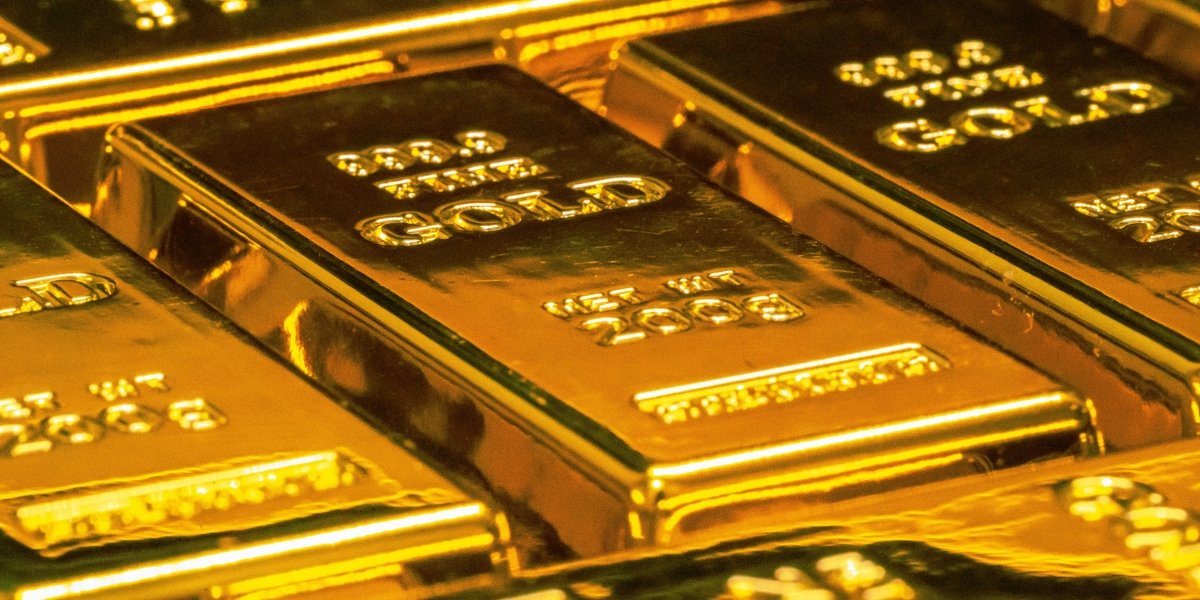
In a dramatic shift, commodities like gold, silver, and copper have surged to new heights in recent market sessions, signaling a major shift in investor appetite as we head into 2026. This unprecedented rally is not just a reflection of inflation fears but is also driven by changing industrial demand and geopolitical tensions. For investors, these market movements highlight the increasing significance of real assets in a world where traditional financial markets remain volatile.
The Surge in Precious Metals: A Flight to Safety
Gold and silver have long been considered safe-haven assets, but their recent surge suggests a resurgence in demand as investors seek stability amidst uncertainty. With global inflation pressures remaining persistent and central banks signaling ongoing caution in monetary policy, gold has become the go-to asset for hedging against economic turmoil.
The price of gold has jumped significantly over the last few weeks, reaching levels not seen since mid-2025. Investors are flocking to the precious metal as an inflationary hedge, particularly in the face of heightened geopolitical risks and the threat of economic slowdowns. Silver, often considered a more accessible alternative to gold, is benefiting from similar investor behavior. As inflation expectations persist, these metals are viewed as reliable stores of value.
This move towards precious metals indicates a larger trend of risk aversion, with investors shifting away from more volatile assets like equities and into commodities that are traditionally seen as more stable during times of economic uncertainty.
Copper and Industrial Demand: A Shifting Investment Landscape
While precious metals have gained attention, copper has also seen a remarkable rally. Copper’s surge is largely tied to industrial demand, particularly from green energy projects and the broader transition to sustainable infrastructure. The metal, essential in the production of electric vehicles (EVs), renewable energy technologies, and high‑voltage power lines, has seen prices climb as the global push for decarbonization intensifies.
The demand for copper is expected to continue rising through 2026, driven by government policies promoting green energy initiatives worldwide. Investors are beginning to recognize the long-term value of copper not just as a commodity but as a crucial element in the future of global infrastructure. As a result, copper is emerging as a key component in diversified portfolios, especially for those looking to capitalize on the ongoing transition to a greener economy.
Shifting Sentiment: Inflation, Interest Rates, and Supply Chain Disruptions
The rally in metals isn’t happening in a vacuum; it’s occurring against a backdrop of significant economic factors that are driving investor sentiment. First and foremost is inflation, which remains a key concern for global markets. Although inflation has moderated in some regions, central banks around the world, including the Federal Reserve, are expected to continue tightening monetary policy through 2026. The rising cost of living and supply chain disruptions have kept inflationary pressures elevated, further reinforcing the demand for precious metals and industrial commodities like copper.
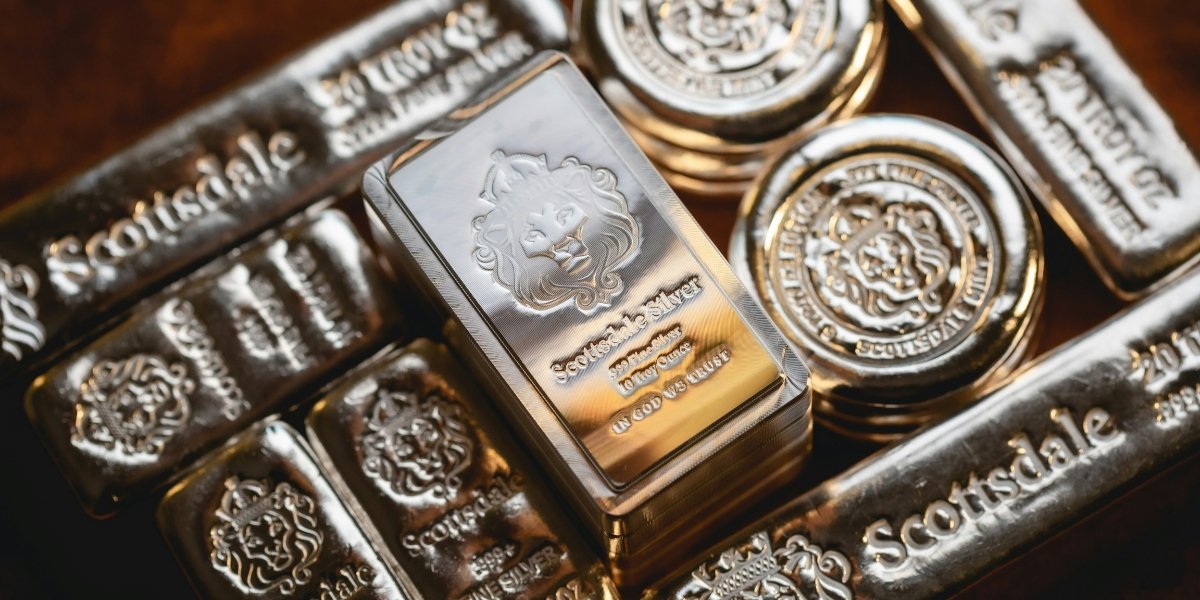
Photo Credit: Unsplash.com
Interest rate expectations play a crucial role in the movement of metals. As central banks raise rates to combat inflation, bond yields rise, reducing the appeal of traditional fixed-income investments. Metals, on the other hand, do not carry interest rate risks and thus remain attractive in an environment where rates are rising.
Ongoing supply chain disruptions, particularly in key mining regions, have further exacerbated the scarcity of these metals, driving prices higher. Mining operations have faced challenges ranging from labor shortages to logistical bottlenecks, leading to a tightening of supply and boosting the value of metals as investors position themselves ahead of continued scarcity.
How This Affects Global Markets and Investor Strategy
As metals continue their upward trajectory, investors are reevaluating their strategies. The diversification of portfolios, once focused predominantly on equities and bonds, is now shifting toward commodities as a way to hedge against both inflation and economic uncertainty. For institutional investors and wealth managers, this presents an opportunity to balance traditional investments with more tangible assets that provide a cushion during times of volatility.
The rise in industrial metal prices such as copper is signaling a shift in the broader market. While much of the investor focus has been on high-growth tech stocks and emerging industries, commodities are reclaiming their place as essential components of a diversified investment strategy. This shift reflects a broader change in investor mindset, where the focus is moving from short-term gains in speculative markets to long-term growth driven by the demand for real assets.
Looking Ahead: Investor Sentiment into 2026
Looking toward 2026, the metals market is expected to remain a key focal point for investors. The surge in precious metals and industrial metals reflects a broader shift toward tangible assets in a world where inflation, geopolitical tensions, and supply chain disruptions are expected to persist.
For investors, the implications of this shift are clear: commodities, especially precious metals and copper, should be a key component of portfolios in the coming years. The market’s focus is moving away from traditional risk assets and toward commodities that offer more stability and long-term growth potential.
As central banks continue to tighten monetary policy and inflation remains a threat, expect the triple metals surge to drive continued interest in these real assets. The investment community’s appetite for metals is set to remain robust, positioning these commodities as not just a hedge against inflation, but a key investment theme in 2026 and beyond.