Market Daily

How Sports Shape Leadership: Lessons from Alessandra Haybittle, an Athlete Turned Entrepreneur

By: Azhar Hussaini

Ever wondered how the lessons learned on the track or field can shape a successful business leader? For Alessandra Haybittle, an athlete who has competed in multiple races and secured podium finishes, the skills sharpened through sports became the foundation of her success as an entrepreneur. From discipline and resilience to strategic thinking, the principles that made her a strong competitor now fuel her leadership in business.

Athletes don’t just wake up one day and win races. They train relentlessly, push through setbacks, and stay committed to their goals despite challenges. Alessandra brings this same mindset to her career, believing that business success, much like in sports, is not about raw talent alone. It’s about preparation, adaptability, and the ability to push forward when things don’t go as planned.

Just as an athlete sets personal records and objectives, business leaders must chart a course for their company’s success. For Alessandra, each business milestone is a race, and her strategy is to take it one step at a time. Setting clear goals is key, not just in sports but in every entrepreneurial endeavor. She does not simply aim for success; she plans for it. Whether it’s expanding a business, entering a new market, or developing a brand, she sets targets, measures progress, and adapts her approach based on real results.

Resilience is one of the critical lessons she carries from sports into her business life. Not every race ends with a medal, and not every business decision leads to immediate success, but each experience offers an opportunity to learn. She has faced her share of challenges, but she believes setbacks are not roadblocks; they are stepping stones. Whether in competition or business, the ability to adjust and move forward is what truly defines long-term success.

Pushing past limits is another lesson from sports that shapes her approach to business. Endurance athletes know that there comes a moment in every race when their body wants to stop. The difference between finishing strong and falling behind is mental strength. In business, challenges arise all the time, such as economic downturns, unexpected competition, and personal doubts. Alessandra has learned that success is not about avoiding these moments but about training yourself to push through them.

Another critical lesson she applies is the importance of rest and recovery. Athletes know that overtraining leads to exhaustion and injuries. Similarly, entrepreneurs who don’t allow themselves time to recharge risk burnout. Alessandra understands that sustainable success means knowing when to slow down, reassess, and come back stronger. Taking breaks, seeking guidance from mentors, and maintaining a balance in life are all essential for staying at peak performance.

Competition in sports teaches another valuable lesson: focus on your own progress instead of constantly comparing yourself to others. In racing, looking sideways at competitors can throw off momentum. The same is true in business. Alessandra stays committed to her own path rather than getting distracted by what others are doing. She builds businesses that align with her values and long-term vision rather than chasing external validation or industry trends.

Her journey from athlete to entrepreneur highlights how sports shape leadership. The discipline to train consistently, the resilience to handle setbacks, and the strategic thinking required to improve are all qualities that drive success. These lessons go beyond athletics; they define strong leadership in any field.

At the end of the day, whether you are an athlete or an entrepreneur, success does not come from natural talent alone. It’s about discipline, resilience, and strategy. Every challenge is just another training session, another chance to improve, adapt, and grow. Keep pushing forward, because that’s how champions are made.

Disclaimer: The information provided in this article is for general informational purposes only and is not intended as legal, financial, or professional advice. While we strive for accuracy, we make no representations or warranties, express or implied, about the completeness, accuracy, reliability, suitability, or availability of this information. Use of this information is at your own risk.


How Tablets Help Workers Stay Productive Anywhere

Tablets have become a familiar tool in many work settings. Their portability, touch interface, and flexible use cases have made them a practical option for tasks that once required larger devices. While some workers still prefer traditional computers, tablets offer a different kind of convenience that suits a wide range of roles and environments.

This article explores how tablets support work routines, reduce friction in task management, and influence long-term habits across industries.

What Makes Tablets Convenient for Work?

Tablets are lightweight and easy to carry. They often fit into small bags or can be held comfortably in one hand. This makes them useful for people who move between locations or work outside a fixed office.

Unlike laptops, tablets don’t require a flat surface or a full setup. They can be used while standing, walking, or sitting in tight spaces. For example, a technician inspecting equipment might use a tablet to check specifications without needing a desk.

Touchscreens allow quick interaction. Swiping, tapping, and zooming feel natural and reduce the need for a mouse or keyboard. This can speed up tasks like reviewing documents, filling out forms, or sketching ideas.

How Do Tablets Support Specific Work Tasks?

Tablets are often used for note-taking, scheduling, and communication. Many apps are designed to work well on tablets, offering simple interfaces that don’t overwhelm users.

In healthcare, tablets help staff access patient records during rounds. In retail, they assist with inventory checks and customer service. In education, teachers use them to mark attendance or share materials with students.

Tablets also support creative tasks. Designers sketch concepts, musicians control digital instruments, and photographers review images on larger screens than phones provide.

These examples show how tablets adapt to different roles without requiring major changes to existing workflows.

Are Tablets Replacing Other Devices?

Tablets don’t always replace laptops or desktops. Instead, they often complement them. Workers may use tablets for quick tasks and switch to larger devices for more complex work.

For instance, someone might draft emails or review spreadsheets on a tablet during a commute, then finalize reports on a desktop at the office. This flexibility helps people stay productive across different settings.

Some roles rely entirely on tablets. Delivery drivers, field researchers, and event staff may use tablets as their main device. Others use them as a secondary tool that supports mobility and quick access.

Do Tablets Improve Work Efficiency?

Tablets can reduce the time spent switching between tasks. Their instant-on feature and simplified interfaces help users get started quickly. This can be useful during meetings, site visits, or customer interactions.

For example, a real estate agent might use a tablet to show listings, collect signatures, and send documents—all without returning to the office. This streamlines the process and reduces delays.

Efficiency also comes from reduced clutter. Tablets combine multiple tools into one device, such as a camera, scanner, and notepad. This helps workers carry less and focus more.

How Do Tablets Affect Collaboration?

Tablets support collaboration by making it easier to share information. Screens can be passed around, mirrored to larger displays, or used for video calls. This helps teams stay connected, even when working remotely.

In construction, tablets allow teams to review blueprints together on-site. In hospitality, staff use them to coordinate guest services. In logistics, drivers and dispatchers stay in sync through shared apps.

Collaboration doesn’t depend on the device alone. It also relies on clear communication and reliable software. Tablets help by making these tools more accessible during active work.

Are There Limitations to Tablet Use?

Tablets have limits. Typing long documents or running complex software may be harder on a tablet than on a laptop. Some users find the smaller screen or lack of physical keyboard challenging.

Battery life can also be a concern during long shifts. While many tablets last several hours, heavy use may require charging or backup devices.

Security is another factor. Tablets used for work often contain sensitive data. Employers may need to set up access controls, remote wipe features, or secure networks to protect information.

These limitations don’t prevent tablet use but may require planning and support.

How Do Tablets Fit Into Remote and Hybrid Work?

Tablets support remote and hybrid work by offering flexibility. Workers can use them at home, in transit, or during short visits to the office. This helps maintain continuity across different work environments.

For example, a consultant might use a tablet to join video calls, review client files, and take notes during site visits. This reduces the need to carry multiple devices or rely on fixed setups.

Tablets also support asynchronous work. People can record messages, annotate documents, or respond to updates on their own schedule. This helps teams stay aligned without constant meetings.

What Long-Term Changes Have Tablets Introduced?

Tablets have influenced how people think about work tools. They’ve encouraged a shift toward mobility, simplicity, and touch-based interaction. These changes affect not just device choice but also software design and work habits.

Many apps now prioritize tablet compatibility. Interfaces are built for touch, with larger buttons and streamlined menus. This benefits users who prefer quick access and minimal distractions.

Work habits have also shifted. People expect to work from anywhere, use fewer tools, and complete tasks in shorter bursts. Tablets support these expectations by offering a balance between power and portability.

As noted in Market Daily’s coverage of tablet convenience and impact, tablets have become a practical choice across industries, supporting productivity and collaboration without requiring complex setups.

How Do Tablets Affect Physical Workspaces?

Tablets reduce the need for large desks or fixed setups. Workers may use them while standing, walking, or sitting in shared spaces. This supports flexible layouts and reduces clutter.

In offices, tablets allow hot-desking or shared workstations. In retail, staff carry tablets to assist customers directly. In healthcare, tablets move between rooms without disrupting care.

These changes support more dynamic work environments. They also help organizations use space more efficiently and respond to changing needs.

What Should Users Consider Before Relying on Tablets?

Before using tablets for work, users may want to consider task requirements, software compatibility, and comfort. Some tasks may still benefit from larger screens or physical keyboards.

Testing different models and setups can help identify what works best. Accessories like styluses, stands, or external keyboards may improve usability.

Support and training also matter. Workers may need guidance on using apps, securing data, or troubleshooting issues. Clear policies and responsive support help ensure smooth use.

Tablets offer convenience, but thoughtful planning helps maximize their benefits.

Are Tablets Likely to Remain Part of Work Routines?

Tablets have become a regular part of many work routines. Their portability, touch interface, and flexible use cases support a wide range of roles. While not suited to every task, they offer a practical option for many.

Their continued use depends on how well they meet user needs. As software improves and accessories expand, tablets may support more tasks and roles. Their impact is shaped by how people choose to use them, not by the device alone.

Work continues to change, and tablets remain one of the tools that help people adapt.

Internal Links Used
How Tablets Have Revolutionized Work: A Look at Their Convenience and Impact
https://marketdaily.com/how-tablets-have-revolutionized-work-a-look-at-their-convenience-and-impact/

Dr. Alireza Panahpour Reveals Link Between Root Canal Infections and Chronic Illness

In a groundbreaking revelation, Dr. Alireza Panahpour, one of the world’s foremost pioneers in systemic dentistry, is bringing urgent attention to the hidden dangers of root canal infections and their connection to chronic disease. With over three decades of clinical experience, Dr. Panahpour warns that untreated oral infections may trigger a cascade of systemic health problems—ranging from cardiovascular disease to cancer—underscoring the need for a paradigm shift in how dentistry is practiced and understood.

Root canal therapy has long been considered a standard dental procedure, designed to preserve teeth that would otherwise require extraction. But according to Dr. Panahpour, these treatments often conceal long-term risks. Chronic oral infections that stem from root canals may introduce anaerobic bacteria into the bloodstream, weakening the immune system and setting the stage for disease.

“Dentistry has always been seen as separate from medicine,” explains Dr. Panahpour. “But infected teeth don’t just stay in the mouth—they affect the entire body. The immune system is constantly under siege, and the patient’s long-term health may be compromised.”

Research and clinical experience both highlight the correlation between root canal infections and an elevated risk of serious conditions including stroke, cardiovascular disease, rheumatoid arthritis, diabetes, respiratory infections, pregnancy complications, and certain cancers.

For Dr. Panahpour, dentistry must evolve beyond conventional practices. His philosophy of systemic dentistry is based on a simple but powerful principle: oral health and overall health are inseparable.

“As a systemic dentist, I prioritize oral-systemic health over conventional root canal procedures,” he states. “The long-term risks of harboring hidden infections often outweigh the perceived benefits of saving a tooth at all costs.”

This integrative approach challenges the traditional model of dentistry, calling on both patients and professionals to consider the broader health consequences of dental procedures.

One of the most compelling aspects of Dr. Panahpour’s work is his collaboration with physicians treating cancer patients. By employing thermography—a non-invasive imaging technology—he has been able to identify focal infections in the jaw associated with root canals. These infections often drain into lymphatic pathways, particularly into breast tissue, presenting hidden risks for female patients.

“While bacterial infections do not directly cause cancer, chronic infections weaken the immune system,” explains Dr. Panahpour. “When the immune system is compromised over time, cellular biochemistry can become dysregulated, creating fertile ground for cancer and other diseases to develop.”

His findings reinforce a critical need for early detection and alternative strategies in dental care, particularly for patients already navigating systemic health challenges.

Among his many patients, one case stands out as a defining moment in his advocacy. A prominent actress, after completing treatment for breast cancer, returned to Dr. Panahpour with concerns about her oral health. Diagnostic imaging and thorough evaluation revealed that her cancer recurrence was tied to infections lingering in her root canals.

The treatment process required courage and precision. Initial ozone therapy was administered to manage the infection, followed by surgical removal of the affected teeth. The outcome underscored the profound connection between oral infection and systemic disease.

“This case illustrates the need for proactive measures,” says Dr. Panahpour. “Removing infected teeth, rather than opting for root canals, can often be the safer path for preserving systemic health. Patients need to be fully informed of their options.”

Beyond clinical practice, Dr. Panahpour has made it his mission to educate the public. Through lectures, radio appearances, articles, and international speaking engagements, he has consistently emphasized the importance of informed decision-making in dentistry. He warns against blind trust in either conventional or alternative approaches, urging patients to critically assess risks and benefits.

“We live in an age where information is abundant,” he explains. “But access to information must come with discernment. Patients must ask questions, weigh risks, and understand the systemic consequences of dental procedures. Education is the most powerful tool for prevention.”

Dr. Panahpour’s outspoken advocacy has not been without controversy. His warnings about root canals and his insistence on oral-systemic integration have drawn criticism from organizations resistant to change. Yet he remains undeterred.

“Every truth goes through three stages: ridicule, opposition, and eventual acceptance,” he notes, echoing the words of German philosopher Arthur Schopenhauer. “The science of systemic dentistry is following that exact trajectory. My role is to stand firm, share knowledge, and support patients who deserve the truth.”

The implications of Dr. Panahpour’s work are transformative. Dentistry, once viewed as a siloed discipline, is increasingly recognized as a critical component of overall health. Medical research is beginning to validate what systemic dentists like Dr. Panahpour have championed for decades: that oral infections can play a decisive role in the onset and progression of chronic illness.

He believes the profession is at a crossroads. “We can continue treating teeth in isolation, or we can embrace a holistic, evidence-based model that acknowledges the interconnectedness of the human body. Dentistry must evolve.”

Dr. Panahpour urges dental professionals to explore advanced training in systemic and biological dentistry and encourages patients to proactively discuss oral-systemic health with their providers. He emphasizes prevention, early intervention, and minimally invasive treatments as the path toward better outcomes.

“The mouth is the gateway to the body,” he says. “When we protect it, we protect the immune system, the heart, the brain, and beyond. By raising awareness, we empower people to make choices that can transform their lives.”

Dr. Alireza Panahpour is one of the world’s leading authorities in systemic and biological dentistry. With more than 30 years of experience, he has treated patients internationally and lectured across North America, Europe, and Asia. A graduate of the University of the Pacific Arthur A. Dugoni School of Dentistry, Dr. Panahpour is recognized for his minimally invasive, holistic approach that integrates oral health with total-body wellness. His private practice is based in Los Angeles, where he continues to advance research and patient education on the oral-systemic health connection.

Learn more about Dr. Alireza Panahpour, by visiting his official website.

How Election Year Volatility Affects Market Stability

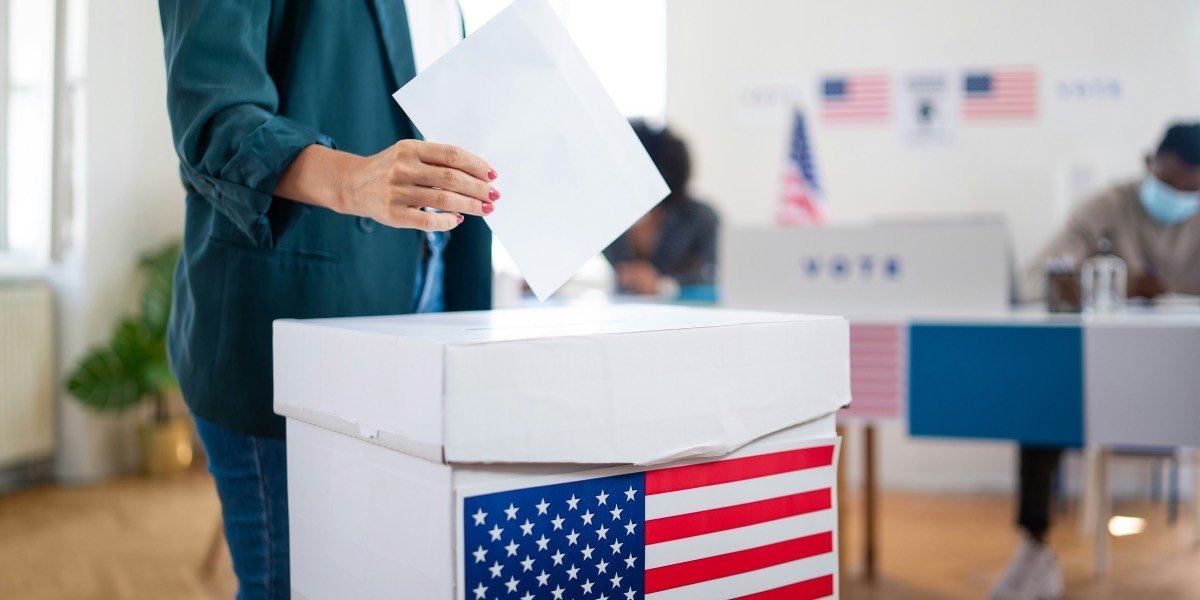
Election year volatility is a term that frequently arises in discussions about financial markets during an election cycle. It refers to the potential fluctuations in market performance that stem from uncertainty around political outcomes, economic policy shifts, and overall changes in leadership. Given the inherent unpredictability of elections, it is understandable that market participants may experience heightened concern about the stability of the market during this period. However, the relationship between election year volatility and market stability is nuanced and warrants a closer look.

What Contributes to Election Year Volatility?

Election year volatility is driven by several factors, with political uncertainty being one of the most significant contributors. As the election approaches, the prospect of new leadership and shifting policies creates an environment of unpredictability. Investors and market participants are often left uncertain about how future economic policies might unfold, including changes to taxation, fiscal spending, regulatory environments, or international trade agreements. This uncertainty can provoke volatility, as markets are highly sensitive to perceived risks.

However, it is important to note that not all election years exhibit the same level of volatility. The political climate, the candidates’ platforms, and the expected changes to the economic landscape can all play varying roles. While some elections have resulted in dramatic market fluctuations, others have seen relatively mild movements. The way the market reacts often depends on the specific political context and how investors assess the potential outcomes of the election.

Why Do Markets Respond to Political Events?

Markets, especially stock markets, are often considered a reflection of investor sentiment. This sentiment can be influenced by political events, such as elections, due to the potential for policy changes. As elections bring with them the possibility of altering economic strategies, regulations, or international relations, investors may adjust their portfolios in anticipation of how these changes could affect market dynamics.

The behavior of investors during election years tends to fluctuate as uncertainty increases. When there is significant ambiguity surrounding the results of an election, particularly if the race is tight, market participants may adopt a more cautious approach. This caution often results in reduced investment in riskier assets, such as stocks, and an increased interest in perceived safer options, such as government bonds or precious metals. Consequently, the stock market may experience periods of heightened volatility as the electorate’s choice becomes clearer.

Is Election Year Volatility Consistently Aligned with Market Performance?

Although election year volatility is often discussed in the context of market fluctuations, it is not necessarily indicative of negative market performance. In some cases, markets may experience a downturn during an election year, while in others, they may show resilience or even growth. The notion that election years consistently lead to poor market outcomes is not a universally agreed-upon view.

Certain historical trends suggest that markets have the potential to recover quickly after an election, especially once the results are known, and the political landscape stabilizes. After the election outcome is confirmed, investors are better able to make decisions based on the certainty of the new administration’s policies. If the market anticipates that the outcome will lead to favorable economic conditions, a period of market optimism may follow.

On the other hand, the immediate aftermath of an election can also lead to continued volatility if the results are perceived as uncertain or if political gridlock persists. This uncertainty can be especially pronounced when the election outcome leaves unclear the direction of key economic policies, such as taxation or government spending.

What Role Does Political Polarization Play in Election Year Volatility?

Political polarization has become an increasingly relevant factor in the context of election year volatility. When elections are highly polarized, the divergence in policy proposals between candidates can amplify uncertainty in the markets. Investors may find it more difficult to predict which policies will be enacted and how they will impact the broader economy. This can lead to heightened market fluctuations as the outcome of the election becomes a focal point for investors’ fears and expectations.

In polarized environments, market movements may become more exaggerated as investors attempt to price in the potential risks associated with each possible outcome. Political debates, public opinion, and campaign promises can create rapid shifts in sentiment that drive market swings, particularly when investors are unsure which candidate will ultimately secure victory.

Are All Markets Affected Similarly During Election Years?

Not all financial markets react to election year volatility in the same manner. While stock markets may be the most visible and frequently analyzed, other asset classes, such as bonds, commodities, and foreign exchange markets, can also experience their own form of volatility during an election year. However, the extent of this volatility often varies depending on the market and its sensitivity to political developments.

For example, in the bond market, investor behavior may shift as uncertainty about fiscal policies and government debt levels rises. The potential for policy changes that could affect interest rates or inflation might prompt investors to reassess their bond holdings. Similarly, commodities markets may experience volatility, especially if there are significant concerns about trade relations or supply chain disruptions resulting from changes in government policies.

The foreign exchange market is particularly sensitive to election year volatility, as currency values can be influenced by shifts in trade policies, fiscal spending, or broader geopolitical risks. A major policy shift or international tension arising from an election outcome can result in changes to a country’s currency value, as investors re-evaluate the economic outlook for that nation. However, the impact of election results on currency values is highly context-dependent and can vary widely from one election cycle to another.

How Does Election Year Volatility Influence Long-Term Market Trends?

The impact of election year volatility on long-term market trends tends to be limited, especially if one takes a broader view of market performance. While election years can introduce short-term instability, the long-term trajectory of markets is often determined by more fundamental economic factors, such as productivity growth, interest rates, and global economic conditions.

Over time, markets have demonstrated resilience in recovering from short-term shocks, including those associated with political events. Investors who focus on long-term goals may not be as concerned with the temporary fluctuations caused by election year volatility. Historically, markets have tended to rebound and stabilize after the election process is concluded and the political environment becomes clearer.

However, the degree to which elections influence long-term trends depends on the specific outcomes and the policies that emerge as a result. If the election leads to significant shifts in economic policy that have far-reaching consequences, such as tax reforms or changes to international trade, there could be lasting effects on market conditions. But even in such cases, markets generally adjust over time to incorporate these changes into their broader outlook.

Can Investors Manage Election Year Volatility?

Although election year volatility can create challenges for investors, there are ways to manage the uncertainty that comes with political elections. One common approach involves maintaining a diversified portfolio. By holding a range of different assets—stocks, bonds, and perhaps commodities—investors may reduce their exposure to the risk of sharp market movements in any single asset class.

Additionally, some investors may choose to employ hedging strategies, such as options or futures contracts, to mitigate the potential downside risk during periods of heightened market volatility. While these strategies do not eliminate the risk altogether, they can offer some level of protection if the market reacts negatively to election results.

It is also crucial for investors to maintain a long-term perspective. While election years can create turbulence in the short term, history suggests that markets generally stabilize after the election, with many investors returning to their regular investment strategies once the political landscape settles.

Do Election Year Volatility and Market Opportunities Go Hand in Hand?

While election year volatility often leads to uncertainty, it also creates opportunities for investors who are well-positioned to take advantage of market inefficiencies. During periods of heightened volatility, some assets may become undervalued as fear drives prices down. Investors who remain focused on long-term fundamentals may find these periods of uncertainty an opportune time to acquire assets at lower prices.

However, it is important to approach these opportunities with caution. Market movements driven by political uncertainty can be unpredictable, and any investment decision should consider the broader economic context, as well as the specific risks associated with the election cycle. Investors who are willing to embrace this uncertainty may benefit from potential price corrections but should be aware of the risks inherent in trading during volatile times.

In some cases, market participants may even shift their acquisition strategies altogether. As noted in Market Daily’s coverage of discreet M&A connections, serious buyers often avoid public listings during uncertain periods, preferring private, pre-qualified introductions that offer greater control and reduced exposure. This approach reflects a broader trend toward caution and strategic alignment during volatile cycles.

Election Year Volatility: A Complex Relationship with Market Stability

The relationship between election year volatility and market stability is inherently complex. While elections often introduce political and economic uncertainty that can influence market behavior, the ultimate impact on long-term stability is less clear. Markets may experience short-term fluctuations, but these are not necessarily indicative of a larger trend. Understanding the factors at play during an election year—ranging from political polarization to investor sentiment—can help investors navigate the volatility that often accompanies this period. Ultimately, investors who remain focused on their long-term goals and who diversify their portfolios may be better equipped to handle the ups and downs associated with election-year market movements.

Internal Links Used
Why Serious Buyers Avoid the Open Market: Imran Tariq’s Take on Discreet, Pre‑Qualified M&A Connections
https://marketdaily.com/why-serious-buyers-avoid-the-open-market-imran-tariqs-take-on-discreet-pre%E2%80%91qualified-ma-connections/