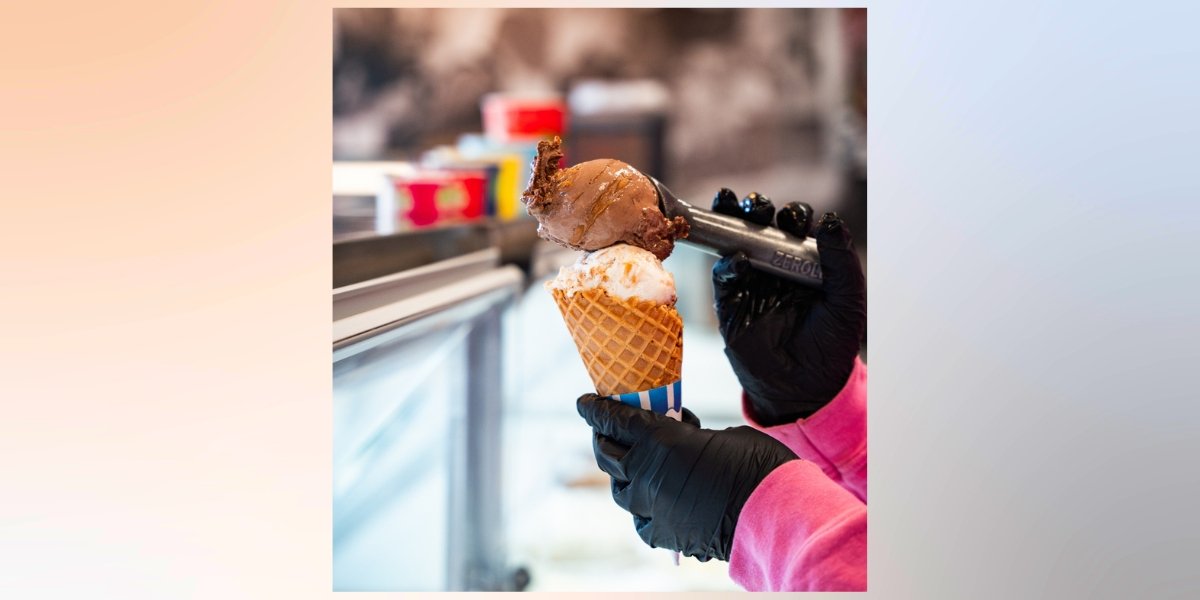

In the premium dessert sector, product selection is more than a culinary decision; it is a strategic business choice. Texture, ingredient composition, perceived value, and pricing elasticity all influence how frozen desserts perform on a menu and on a balance sheet.
For restaurants, cafés, hotels, and catering venues evaluating frozen dessert programs, understanding the operational and experiential differences between gelato and traditional ice cream is essential.
Through the wholesale expertise of Gelotti of Paterson, many hospitality operators are discovering that gelato offers not only a superior guest experience but a measurable commercial advantage.
Composition: The Foundation of Difference
At first glance, gelato and ice cream may appear interchangeable. Both are frozen dairy desserts, often served in similar formats. Yet their formulations differ significantly, and those differences drive both taste and business value.
Butterfat Content
Traditional ice cream typically contains 10–18% butterfat. Gelato, by contrast, averages 4–9%.
Lower butterfat allows flavors to present more vividly on the palate. Ingredients such as pistachio, chocolate, or fruit purées taste cleaner and more pronounced.
For businesses, this heightened flavor clarity supports premium menu descriptions and higher perceived product value.
Air Incorporation & Texture
One of the most defining technical distinctions lies in overrun, the amount of air whipped into the product during churning.
Ice cream is churned quickly, incorporating up to 50% air by volume. Gelato is churned more slowly, introducing far less air.
The result:
- Denser texture
- Silkier mouthfeel
- More intense flavor delivery
- Heavier scoop weight
From a service standpoint, this density allows operators to serve smaller portions that still feel indulgent, a subtle but powerful margin advantage when sourcing from Gelotti of Paterson.
Serving Temperature & Guest Experience
Gelato is typically served at a slightly warmer temperature than ice cream.
While ice cream is held around -18°C (0°F), gelato is served closer to -12°C (10°F). This temperature difference softens texture and enhances aroma release.
For guests, this translates to:
- Creamier consistency
- Immediate flavor perception
- Less palate numbing
For operators, warmer serving temperatures can also improve scoopability and service speed, particularly valuable in high-volume environments.
Ingredient Philosophy
Authentic gelato production emphasizes simplicity and ingredient integrity.
Traditional gelato recipes generally avoid egg yolks, relying instead on milk, sugar, and natural stabilizers for structure.
This streamlined composition creates:
- Cleaner ingredient labels
- Broader dietary appeal
- Greater compatibility with vegan or dairy-alternative bases
Gelotti of Paterson applies artisanal production standards that prioritize premium dairy sourcing, seasonal fruit integration, and balanced flavor formulation, reinforcing gelato’s reputation as a more refined frozen dessert category.
Perceived Value & Menu Positioning
From a branding perspective, gelato occupies a higher tier of consumer perception than traditional ice cream.
Guests often associate gelato with:
- European culinary heritage
- Artisan craftsmanship
- Small-batch production
- Luxury dessert experiences
This perception grants operators greater pricing flexibility.
A two-scoop gelato serving can command a higher price point than a larger ice cream portion, while maintaining strong guest satisfaction.
Featuring gelato from Gelotti of Paterson allows venues to leverage this premium positioning without investing in in-house production infrastructure.
Operational Efficiency in Foodservice
Beyond guest perception, gelato offers practical advantages in commercial kitchens.
Portion Control
Denser texture allows for smaller servings that still feel indulgent.
Menu Versatility
Gelato integrates easily into:
- Affogatos
- Dessert flights
- Pastry pairings
- Milkshakes
- Plated fine-dining desserts
Labor Reduction
Pre-produced gelato requires minimal preparation compared to baked desserts or custard-based programs.
For restaurants seeking to streamline operations while enhancing dessert quality, wholesale gelato provides a compelling solution.
Storage & Shelf Stability
Both gelato and ice cream require frozen storage, but gelato’s density and flexibility in serving temperature offer subtle logistical benefits.
Bulk containers supplied by Gelotti of Paterson are designed for:
- Stackable freezer storage
- Efficient flavor rotation
- Reduced freezer burn risk when handled properly
Because gelato is often served slightly warmer, it also requires less tempering time before service, improving workflow efficiency during peak hours.
Flavor Innovation & Seasonal Programming
Gelato’s formulation lends itself exceptionally well to culinary experimentation.
Lower fat content allows delicate flavors, such as citrus, berries, herbs, or florals, to shine without being muted by cream.
This supports seasonal menu strategies such as:
- Summer fruit rotations
- Autumn spice infusions
- Winter chocolate or nut profiles
- Spring botanical flavors
Through its extensive R&D initiatives, Gelotti of Paterson continuously develops both classic and trend-forward flavors, enabling wholesale partners to refresh menus dynamically.
Profitability Comparison
From a financial standpoint, gelato often outperforms traditional ice cream across several metrics:

This combination of elevated perception and controlled portioning enhances dessert margins, particularly in upscale dining environments.
Choosing the Right Frozen Dessert Strategy
While traditional ice cream is widely familiar, gelato offers a more refined path for operators seeking to differentiate their dessert programs.
By sourcing through Gelotti of Paterson, businesses gain access to:
- Authentic Italian gelato production
- Extensive flavor portfolios
- Wholesale scalability
- Artisan brand association
The decision, ultimately, is not simply about frozen dessert preference but about brand positioning, guest experience, and revenue optimization.
A Modern Shift Toward Artisan Frozen Desserts
As hospitality trends continue to favor craftsmanship over commoditization, gelato’s role within dessert programs is expanding rapidly.
Its balance of indulgence, sophistication, and operational efficiency positions it as a strategic upgrade rather than a lateral substitution.
For venues seeking to elevate both menu narrative and profitability, wholesale gelato, particularly when sourced from an established heritage producer like Gelotti of Paterson, represents a forward-looking investment in the future of dessert.