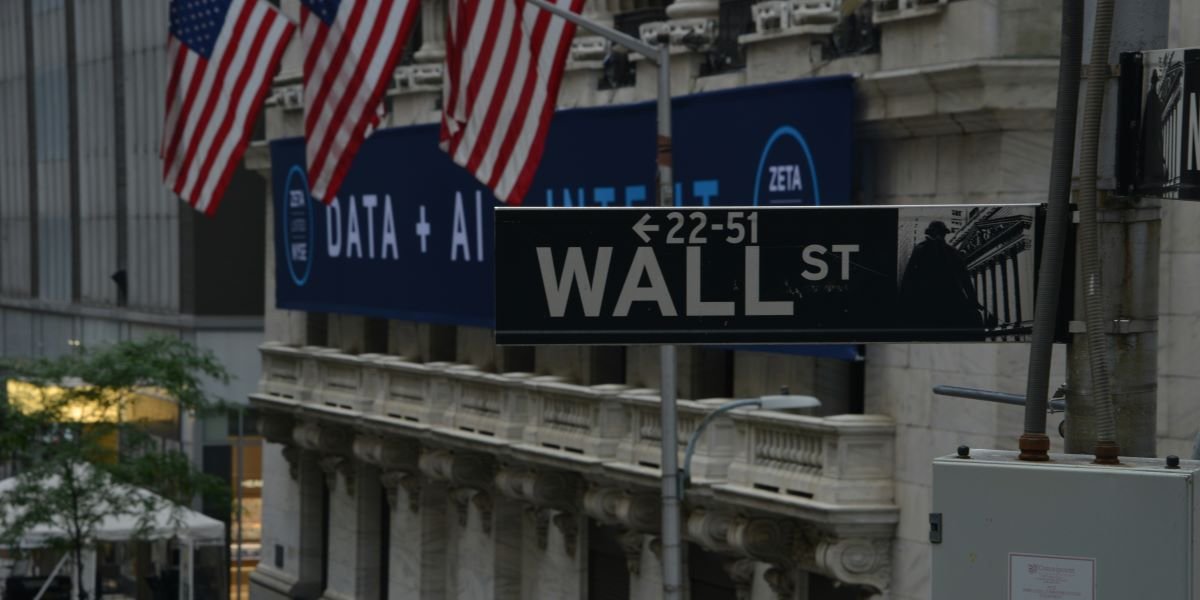

The U.S. stock market did something on June 1 that should give bulls and skeptics equal pause: it set fresh records while a meaningful chunk of the market went nowhere. The S&P 500 advanced 0.26% to close at 7,599.96, the Nasdaq Composite gained 0.42% to 27,086.81, and the Dow Jones Industrial Average added 46.42 points, or 0.09%, to 51,078.88 — all three reaching new intraday highs and closing at records. The gains came even as energy costs climbed, a combination that reveals more about what is driving this rally than the index levels alone suggest.
Tech Carried the Day, and Almost Everything Else
The engine was familiar. Nvidia shares climbed more than 6% after the company unveiled a new processor for personal computers, with Dell Technologies and HP following higher, rising more than 10% and 8% respectively. The chipmaker’s move alone was enough to lift the broad index, a dynamic that has defined 2026 and that increasingly concentrates the market’s fortunes in a handful of names.
That concentration is now at a historic extreme. Market strategist Thomas Carroll noted that big tech stocks represent nearly half the S&P 500’s value, a 40-year high, signaling potential risk if market leadership fails to broaden. The warning is structural rather than tactical: when a small group of mega-cap technology companies accounts for so much of an index’s weight, the index stops behaving like a diversified basket and starts tracking the fortunes of a few balance sheets.
The breadth data underscored the point. Even as the indexes pushed higher, fewer than 39% of U.S. issues advanced, with technology and energy the standout sectors. A record set on negative breadth is the textbook definition of a thin rally — one where the average stock is not participating in the milestone the headline number celebrates.
An Oil Spike the Market Chose to Ignore
What makes June 1 notable is what the market shrugged off. U.S. stocks advanced despite oil prices climbing 4.2% to $94.98 a barrel, raising costs particularly for airlines such as United and Alaska Air Group. The rebound on Wall Street coincided with President Trump’s statement that talks with Iran are continuing, with hopes for a diplomatic resolution sending the S&P 500 toward 7,600 in its eighth straight gain — the longest winning run since May 2025.
The energy move was not trivial. Crude’s advance came amid hopes that a U.S.-Iran deal could reopen oil routes and ease inflationary pressure, even as bond yields initially rose before easing. A sustained climb toward $95 reintroduces exactly the kind of input-cost inflation that complicates the Federal Reserve’s path. That equities rallied through it reflects a market betting the geopolitical premium is temporary — a wager that looks reasonable if talks succeed and considerably less so if they stall.
The Case For and Against Sustainability
For institutional readers, the relevant question is whether record closes built on narrow leadership can hold. The bull case is concrete: the AI capital-expenditure cycle remains intact, the companies driving the gains carry genuine earnings rather than speculative promise, and an eight-session winning streak signals real conviction rather than a dead-cat bounce.
The bear case is equally concrete and lives in the same data. A market where fewer than two in five stocks advance on a record day is a market leaning heavily on a few names to do the work. With big tech at a four-decade concentration high, the risk is asymmetric — if leadership falters before it broadens, there is little beneath the surface to cushion the index. Concentration cuts both ways: it has powered the ascent and it defines the downside.
The oil variable adds a second axis of risk. The market has priced a benign resolution to the Iran situation. If crude continues higher instead, the inflationary pressure would feed directly into the rate expectations that, as JPMorgan’s Jamie Dimon recently put it, act as gravity on asset prices.
What to Watch
Three signals will determine whether this rally has legs. The first is breadth: a healthy continuation would show the advance-decline line improving, with more sectors joining technology and energy. The second is the oil trajectory and any concrete movement on Iran, which together govern the near-term inflation outlook. The third is whether the megacap leaders can keep delivering the earnings momentum their valuations now assume.
For now, the indexes are at records and the streak is intact. But the quality of these gains — narrow, tech-driven, achieved over a rising oil price — means the headline understates the fragility beneath it. A record close is a fact. A durable one requires participation the market did not show on June 1.
Disclaimer: This article is for informational purposes only and does not constitute investment advice, a recommendation, or an offer to buy or sell any security. Market levels, prices, and analyst commentary described here reflect conditions as of June 1, 2026, and are subject to change. References to specific companies and securities are for context, not endorsement. Past performance is not indicative of future results. Investors should conduct their own research and consult a qualified financial professional before making investment decisions.