
By: Alena Wiese
Summary: A hospital audit published in September 2026 found that roughly two-thirds of lumbar MRI requests did not meet imaging guidelines and rarely changed treatment. For back pain patients in Ocoee and West Orange County, many of whom pay part of the bill themselves, the finding is a reminder that a scan is not the same thing as a diagnosis.
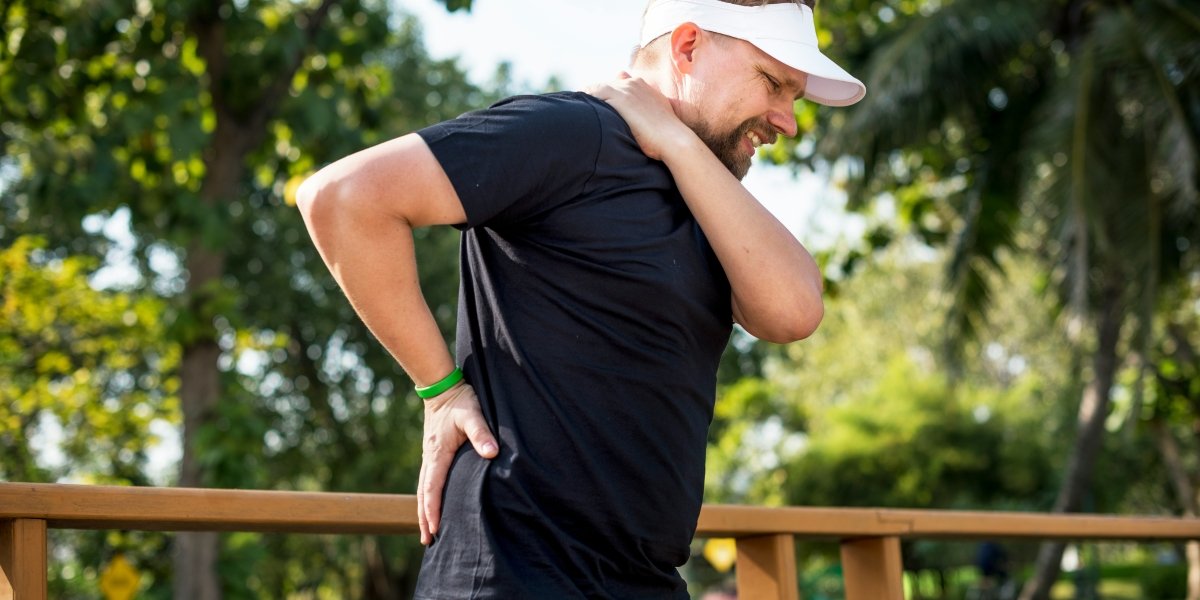
In the back pain economy, the MRI is the premium product. Patients ask for it by name; it feels like certainty, and it often comes with a sizable bill. A person whose back has ached for two weeks may assume a scan is the fastest route to an answer, and where imaging is widely available, it is easy to buy.
The data keep pointing the other way. For most new low back pain without warning signs, early imaging is not recommended, and the direct answer for consumers is that a hands-on clinical evaluation, not a picture, is usually the first thing worth paying for.
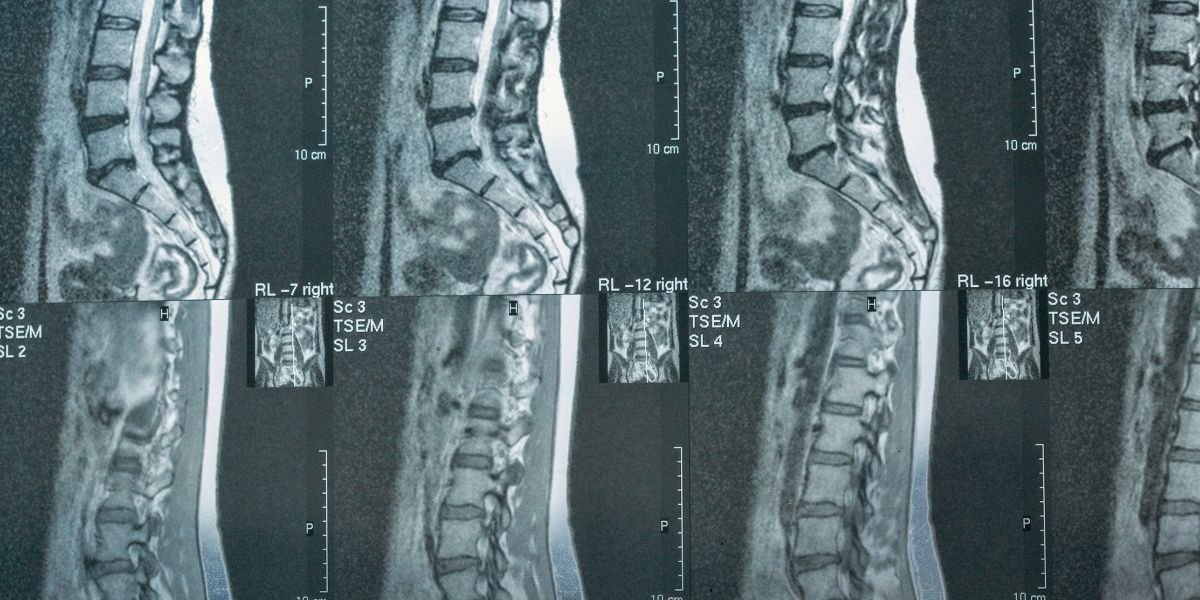
A study published Sept. 18, 2026, in the journal Diagnostics reviewed 147 consecutive lumbar MRI requests at a tertiary hospital in Antalya, Turkey. Depending on the guideline used, 66.0 to 72.1 percent of the requests were inappropriate, and only 5.4 percent of patients had red flags or neurological warning features.
What Did the New MRI Audit Find?
The audit found that most lumbar MRI requests were not supported by guidelines and that inappropriate scans seldom changed care. Measured against American College of Radiology criteria, 66.0 percent of requests were inappropriate. Against the United Kingdom’s NICE criteria, the figure was 72.1 percent. Against American College of Physicians criteria, it was 66.0 percent.
The payoff gap is the market signal. Overall, 33.3 percent of scans changed how a patient was managed. Among appropriate requests, 58.1 to 80.5 percent led to a management change, depending on the guideline. Among inappropriate requests, only 15.1 to 16.8 percent did.
The researchers also built a four-item decision rule that, in their data, had 84 percent sensitivity and 81 percent specificity and would have cut imaging volume by 59.2 percent. They tested artificial intelligence tools as well, which rated 57.8 to 64.6 percent of the requests inappropriate and agreed substantially with the published guidelines.
The authors summarized it plainly: “Roughly two-thirds of lumbar MRI requests were guideline-inappropriate and rarely altered management.”
Source: Appropriateness of Lumbar Spine Magnetic Resonance Imaging Requests: Guideline Concordance, Diagnostic Yield, Artificial-Intelligence Assessment and Derivation of a Simple Clinical Decision Rule, Diagnostics, September 2026.
What Does This Study Not Prove?
The study does not prove that the same share of MRIs is unnecessary in the United States or in Central Florida. It was a retrospective review at a single neurosurgery department in Turkey, and referral patterns there differ from those in U.S. primary care, urgent care, and direct-to-consumer imaging.
With 147 patients, the sample is small, especially for building a new decision rule. The authors state that the rule’s performance estimates are likely optimistic and that it “requires independent prospective validation” before anyone uses it clinically. The audit also did not measure costs, patient satisfaction, or long-term outcomes, so it cannot say how much money inappropriate scans consumed or whether any patient was harmed by one.
What it does offer is a clear, current snapshot that matches a long-standing concern in guidelines: imaging is frequently ordered in situations where it is unlikely to change the plan.
How Often Do U.S. Patients Get Early Imaging for Back Pain?
A meaningful minority still do. The National Committee for Quality Assurance tracks a national quality measure, described on the American College of Physicians website, for the percentage of patients with a primary diagnosis of low back pain who did not have an X-ray, MRI or CT scan within 28 days of diagnosis.
In 2021, performance on that measure ranged from 74 to 78 percent depending on plan type, which the ACP describes as a performance gap. Put the other way, roughly one in four or five patients in those plans had imaging within the first four weeks. The ACP notes the measure “follows clinical guidance to reduce unnecessary imaging and promote high-value care.”
Source: Use of Imaging Studies for Low Back Pain, American College of Physicians, measure steward NCQA, reviewed May 2023.
Why Does This Matter for Spending in Orange County?
It matters because many households in the county pay part or all of their care costs directly. Orange County’s population reached an estimated 1,528,002 as of July 1, 2025, up 6.9 percent from 1,429,908 in the 2020 census, according to U.S. Census Bureau QuickFacts. Among residents under 65, 13.5 percent lack health insurance. The median household income is $79,719.
For uninsured patients, and for insured patients working through high deductibles, an MRI that does not change the plan is money that could have gone toward care that does.
Source: U.S. Census Bureau QuickFacts for Orange County, Florida, 2025.
When Is an MRI Actually the Right Call for Back Pain?
An MRI is appropriate when warning signs are present or when conservative care has failed and more invasive treatment is being considered. Warning signs include loss of bowel or bladder control, numbness around the groin, leg weakness that is getting worse, fever, a history of cancer, unexplained weight loss, or back pain following a serious fall or accident. Those situations call for prompt medical or emergency evaluation.
For everyone else, the question is not whether a scan will show something. Imaging often shows disc bulges and wear in adults who have no back symptoms at all. The question is whether the result will change what happens next.
Where Does a Conservative Care Clinic Fit?
A conservative care clinic fits between the pharmacy aisle and the imaging center: its role is to examine, classify the problem, and decide whether imaging or a specialist referral is needed. At ReliefNow® Laser Ocoee, 288 Moore Rd, Ocoee, the practice serves Ocoee, Winter Garden, and Windermere in West Orange County and can be reached at 407-877-7117. Its chiropractors are Dr. Jeffrey N. Shebovsky and Dr. Kyle Learn.
Dr. Shebovsky founded Orange Wellness in 1994, holds Florida chiropractic license CH6499, and brings more than 30 years of clinical experience. He earned a Bachelor of Science in biology from the State University of New York at Albany and a Doctor of Chiropractic, with honors, from New York Chiropractic College.
The clinic’s listed services include Class IV laser, non-surgical spinal decompression, regenerative medicine, focused shockwave, chiropractic care, and customized rehabilitation. In an evaluation-first model, a history and physical exam come before any of those, and imaging is ordered or referred when findings justify it. Progress is then tracked with pain ratings, function scores, and practical milestones, and a plan that is not working is revisited.
The Smarter Purchase
Markets tend to reward whatever feels most decisive, and in back pain that has long been the scan. The September audit adds to a steady body of evidence that the more valuable service is often less dramatic: a careful exam, a clear explanation, and a decision about whether imaging will change anything. For patients spending their own money, that sequence can protect both the back and the budget.
ABOUT: Dr. Jeffrey N. Shebovsky, DC | ReliefNow® Laser Ocoee | 288 Moore Rd, Ocoee, FL 34761 | 407-877-7117
Disclaimer: This article is for informational purposes only and does not constitute medical advice. Consult a qualified healthcare provider before beginning any treatment program.