
Record labels are gatekeepers and promoters for new and upcoming electronic music producers. They take care of distribution, playlist pitching, promotion on social media, and branding for the artist. Record labels also often have existing connections with various DJs, radio shows, and other media that can be helpful in promoting new music. Releasing new music for an electronic artist with an established and reputable label can provide greater exposure than going independent with their work. This is part of the professional environment in which many electronic musicians operate.
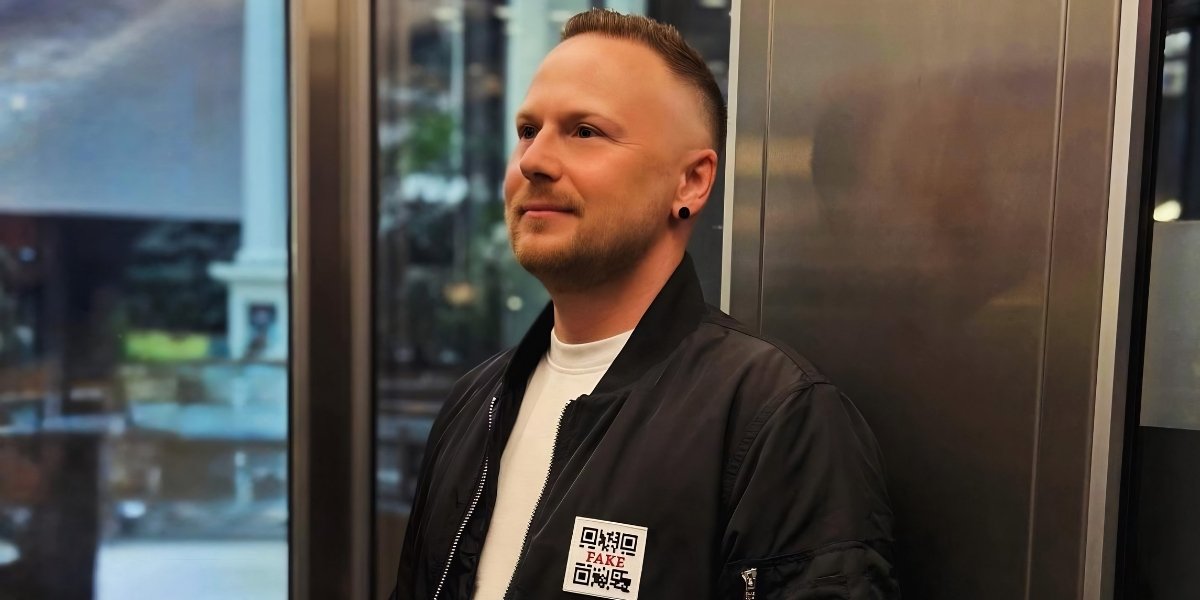
Andre Ohm, professionally known as Sam Harris, has participated in this label‑driven environment through releases and industry affiliations. Harris works as a music producer and DJ within the European electronic dance music scene. His work includes singles, collaborations, remixes, and compilation appearances distributed through digital platforms. Like many producers in the EDM sector, Harris operates within a network that includes record labels, streaming services, and promotional channels. These connections form a framework that allows individual tracks to circulate within the global dance music market.
One example of Harris’s involvement with specialized electronic music labels came with the release of the single “Things We Do.” The track was released in 2025 through the Dutch electronic music label Future House Music. The label is known for publishing electronic dance tracks within the future house and modern EDM spectrum. Labels of this type typically maintain strong connections to online audiences through streaming platforms and digital promotion channels. They distribute globally through services such as Spotify and other digital outlets that serve international listeners.
Releases through specialized EDM labels often follow a distribution pattern shaped by digital platforms. Once a track is released, it becomes available through streaming services, online music stores, and DJ‑oriented platforms. Labels also promote new tracks through social media campaigns, artist profiles, and curated playlists. These methods help introduce music to listeners who follow particular electronic genres. In the case of Harris, the release of “Things We Do” through Future House Music placed his work within the label’s catalog of electronic dance productions.
The structure of the electronic music industry differs from that of many traditional recording sectors. Producers often work across several roles that extend beyond performance or composition. Many artists also take part in production management, marketing activities, and digital communication related to music releases. This multi‑role setup reflects how music production operates today, where artists balance creative work with administrative responsibilities to remain relevant and credible in the music industry.
Harris is included in this larger picture of operations through his connection with ZYX Music, a German music label. ZYX has been in the music business since the latter half of the 20th century, releasing electronic dance music and has navigated different sectors in the music industry. Within this organizational environment, Harris has been involved as a producer and has also taken on roles connected to the promotion and communication side of the music industry.
Work associated with a record label often involves responsibilities that extend beyond studio production. In the digital era, promotion frequently takes place through online channels. These include social media platforms, streaming services, and digital marketing campaigns. Artists and label staff collaborate to prepare releases, coordinate publicity, and communicate with audiences. Harris’s professional activities within ZYX Music have included tasks related to music production as well as digital communication.
Among these responsibilities are forms of digital promotion and social media management. Music labels commonly rely on these tools to announce new releases, share artist updates, and promote catalog tracks. Social media platforms provide direct communication between artists and listeners, while also allowing labels to maintain a consistent public profile for their roster. Harris has participated in this process through work connected to release promotion and digital marketing efforts within the label structure.
Another element of label work involves release marketing. This means developing promotional materials, lining up announcements, and ensuring new releases appear on digital platforms. In electronic music, marketing strategies can involve getting the music onto playlists, working with DJs, and utilizing online marketing strategies. For producers within labels, these strategies are part of an overall structure to get the music in front of listeners in different territories.
Within this system, Harris’s involvement with Future House Music and ZYX Music illustrates two different aspects of the electronic music industry. The release of “Things We Do” through Future House Music represents the distribution side of the sector, where labels present new tracks to international audiences through streaming platforms. His professional work connected to ZYX Music reflects the organizational and promotional side of the business, where artists participate in communication and marketing activities related to music releases.
The professional activities associated with Sam Harris, therefore, extend beyond the recording studio. The artist’s activities through small‑scale electronic music companies and involvement in music promotion and outreach have allowed Harris to interact with different segments of the music industry. Harris’s career represents a common pattern among electronic music artists, in which artists often have to balance their work with other responsibilities. In the music industry, Andre Ohm, also known as Sam Harris, is both a music artist and a participant in the music industry’s organizational infrastructure.