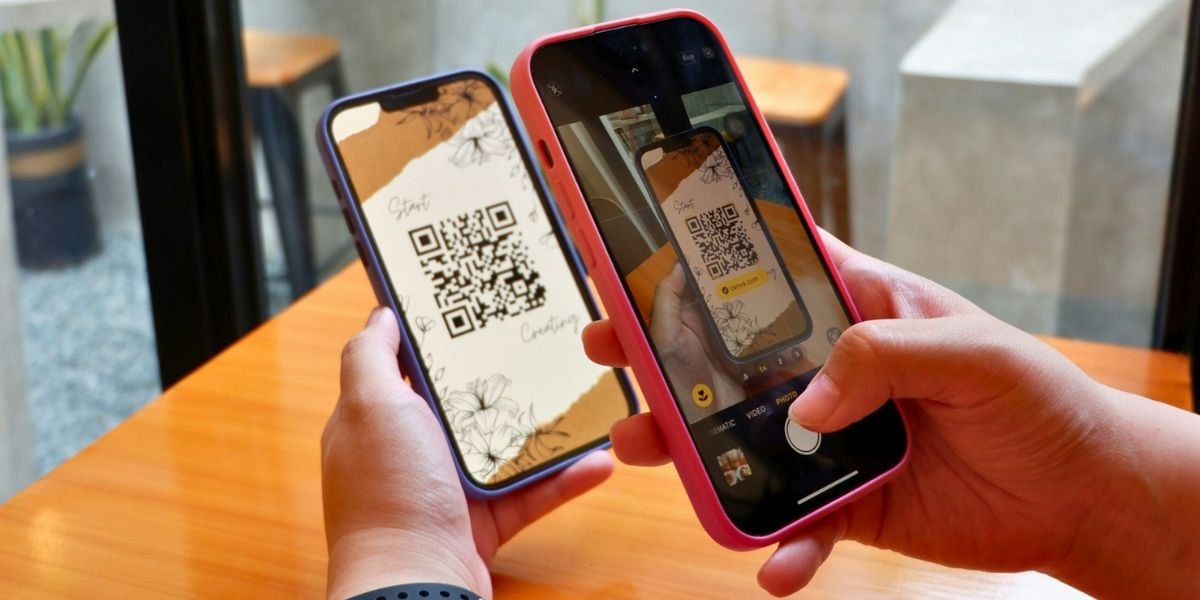

QR codes are convenient for making payments and accessing menus, but they are also being used by scammers to drain digital wallets. QR code fraud, often called “quishing,” occurs when criminals place fake stickers over legitimate QR codes on parking meters, restaurant tables, or public advertisements. When a user scans the fake code, it redirects their payment or personal information to an account controlled by the scammer rather than the intended business. This simple physical sticker can indeed steal your digital wallet by tricking you into authorizing a fraudulent transaction or revealing sensitive login credentials.
The Rise of the Fake Sticker
The physical nature of QR codes makes them vulnerable to tampering. In many cities, scammers now target parking meters. They print professional-looking stickers and place them directly over the official city payment code. A driver, in a hurry to pay for their spot, scans the code without noticing the slight edge of a sticker underneath. Instead of paying the city, the money goes to a private offshore account.
According to Detective Robert Miller, a specialist in digital financial crimes, “The danger lies in the trust people have in physical objects. We are trained to be careful with emails, but we rarely question a sticker on a metal pole in the middle of a busy street.” This lack of suspicion is exactly what scammers exploit. They rely on the fact that most people do not touch or inspect the code before scanning it.
How Your Digital Wallet is Targeted
Once a user scans a fraudulent code, several things can happen. The most common result is a “phishing” page that looks identical to a legitimate payment portal. The user enters their credit card details or digital wallet login, giving the scammer full access. In more advanced cases, the QR code triggers a download of malicious software that can monitor keystrokes or bypass security settings on a smartphone.
Data from the 2025 Mobile Security Report shows a 45% increase in reported QR code scams over the previous year. The report indicates that nearly 1 in 10 users who scan QR codes in public spaces have encountered a suspicious or redirected link. These statistics show that while the technology is helpful, the risks are growing as more businesses move toward contactless payments.
Expert Warnings and Real Data
Security professionals are urging users to be more cautious. “A simple visual check is your best defense,” says Elena Rodriguez, a lead analyst at a global cybersecurity firm. “If a QR code feels thick or looks like it was recently applied over another surface, do not scan it. It is safer to type the website address directly into your browser or use the official app of the service you are trying to pay.”
In many cases, businesses are fighting back by using integrated technology. For example, some companies use KFD Monitoring to track their digital assets and ensure their payment systems are functioning as intended. By keeping a close eye on transaction patterns, businesses can sometimes spot when a fraudulent code has been introduced in a specific location and alert the authorities.
Protecting Your Digital Assets
Staying safe does not mean avoiding QR codes altogether, but it does require a change in habits. Most modern smartphones now show a preview of the URL before you click to open the site. Users should always check this preview. If the address looks strange—for instance, if it uses a series of random letters and numbers or a domain that does not match the business—it is a clear sign of fraud.
- Inspect the physical code: Feel for a sticker or look for mismatched colors.
- Use a secure scanner: Some security apps can check a URL for safety before opening it.
- Avoid high-risk areas: Be especially careful with codes found in transit hubs or on street furniture.
The Cost of Convenience
The convenience of “scan and pay” is a significant benefit of the modern digital economy. However, as the world becomes more connected, the methods used by criminals also evolve. A simple sticker is cheap to produce but can result in the loss of thousands of dollars for an unsuspecting victim.
“Digital wallets are incredibly secure in terms of encryption,” explains tech consultant David Chen. “The weak point is almost always the human element. If a scammer can trick you into opening the door, the encryption doesn’t matter.” This highlights why education is as important as the technology itself. By understanding that a physical sticker can be a gateway to a digital wallet, users can stay one step ahead of the scammers.
The next time you are at a restaurant or a parking meter, take a second to look closely at the code. That small moment of caution is often the difference between a successful payment and a stolen digital wallet.