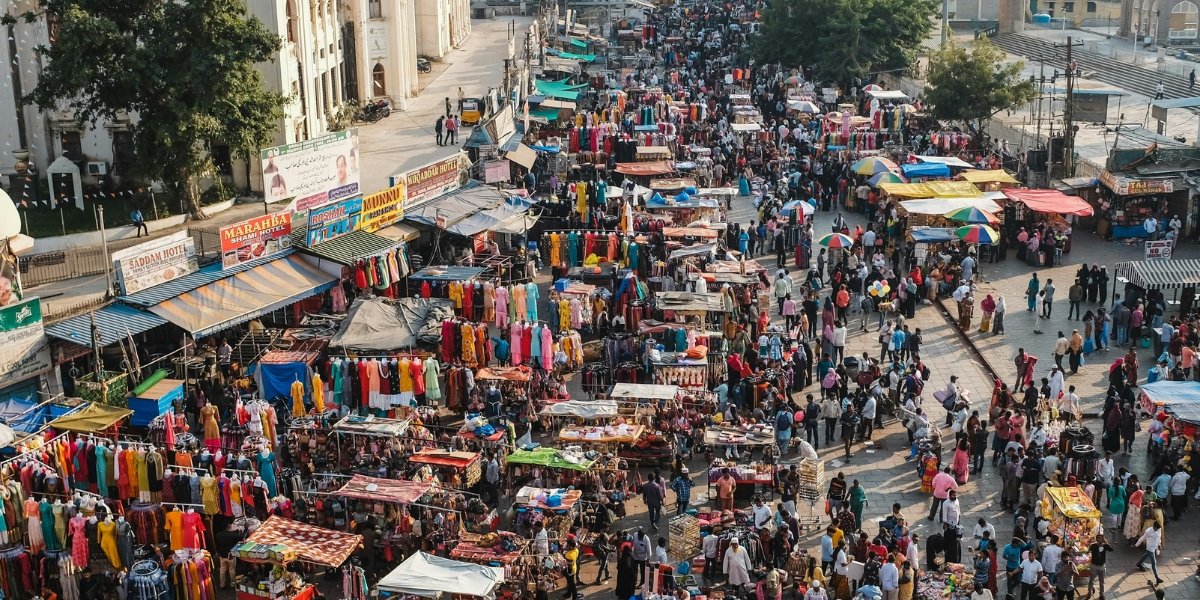
Trade plays a significant role in the global economy by connecting countries and facilitating the exchange of goods, services, and ideas. In recent years, however, there has been an increasing focus on sustainable trade practices, which not only encourage economic growth but also seek to address broader concerns about fairness, equity, and environmental impact. While trade has traditionally prioritized efficiency and profit, there is growing recognition that it may also be necessary to consider the environmental and social consequences of how goods are traded.
Sustainable trade is often framed as a path toward creating a more balanced system where the benefits of trade are more widely distributed. By focusing on environmental protection, fair labor standards, and equitable economic opportunities, sustainable trade seeks to address some of the limitations of past approaches and promote trade that aligns with longer-term global goals. Moving toward more sustainable practices in trade requires cooperation from governments, businesses, and consumers, all of whom play a role in shaping the global marketplace.
Read also: Understanding What Quick Trades Are
What Are Sustainable Trade Practices?
Sustainable trade practices aim to foster an economic system that prioritizes long-term environmental and social considerations alongside financial objectives. Rather than focusing only on the immediate economic returns of trade, these practices consider the broader effects, such as environmental preservation, equitable labor standards, and fair distribution of trade benefits. Sustainable trade involves efforts to minimize harm to the environment and to create a more fair and balanced economic structure.
At the heart of sustainable trade is the idea that commerce should not only benefit the immediate parties involved but also help maintain long-term resources, support ethical labor practices, and contribute positively to society. This means fostering trade systems that are both environmentally responsible and socially just, which often involves ensuring that labor standards are respected, products are responsibly sourced, and economic benefits are shared more evenly across nations and communities.
Environmental Sustainability in Trade
Environmental sustainability is a key component of sustainable trade. The environmental impact of trade has come under scrutiny, particularly in industries that have contributed to deforestation, resource depletion, and significant greenhouse gas emissions. As concerns about climate change and environmental degradation increase, there is a growing interest in shifting toward trade practices that reduce ecological footprints.
Sustainable sourcing is one way that trade practices can become more environmentally responsible. By choosing raw materials that come from renewable or responsibly managed sources, industries can reduce their impact on ecosystems and contribute to long-term environmental stewardship. This includes sourcing products such as timber, agricultural goods, and minerals in ways that do not harm the environment or deplete natural resources.
Transportation and logistics are other areas where trade can become more sustainable. Shipping and air freight, for example, are major contributors to carbon emissions. While efforts are underway to reduce emissions in these sectors through more energy-efficient technologies and alternative fuels, the overall impact of trade on the environment is something that continues to be considered by governments, businesses, and consumers alike.
Social Equity and Fair Labor Practices
In addition to the environmental dimension, social equity is another central concern in sustainable trade. In many countries, workers face substandard conditions, low wages, and a lack of access to basic labor rights. As the demand for ethically produced goods increases, businesses and policymakers are finding ways to support better labor standards and ensure that trade benefits workers in fair ways.
One way this has been addressed is through the development of Fair Trade certification programs, which establish guidelines for wages, working conditions, and environmental responsibility in the production of goods. These standards help ensure that workers in developing countries receive fair compensation and work in safe conditions. Moreover, sustainable trade practices support industries that prioritize ethical sourcing, aiming to improve the livelihoods of communities in low-income areas and offer better economic opportunities for smaller producers.
Sustainable trade also seeks to reduce inequalities between nations by promoting the integration of developing countries into the global economy. This includes initiatives that provide access to markets and support for local producers, ensuring they can compete fairly and benefit from global trade without exploitation.
Economic Fairness and the Distribution of Benefits
Economic fairness in sustainable trade practices is concerned with the equitable distribution of the benefits of trade. In many cases, the advantages of trade are unevenly distributed, with wealthier nations and large corporations reaping the majority of the rewards. Sustainable trade advocates for policies that attempt to level the playing field and ensure that smaller economies, particularly those in developing countries, are able to participate more equitably in global trade.
Promoting fair trade agreements that reduce tariffs, offer technical assistance, and support local industries can help smaller or less-developed countries access global markets. At the same time, it is important to ensure that large corporations do not disproportionately control the flow of goods or the terms of trade, as this can exacerbate inequality. Efforts are also underway to promote sustainable development by encouraging investments in industries that prioritize long-term social and environmental welfare, rather than short-term profit.
Consumer Responsibility and Ethical Consumption
Consumers also play an important role in supporting sustainable trade practices. As more individuals become aware of the impact of their purchasing decisions, many are opting for products that align with their values. These choices reflect a desire for ethically produced goods that are made with consideration for both the environment and the people who produce them.
Ethical consumption includes choosing products that are produced with responsible labor practices, sourced from sustainable materials, and manufactured with minimal environmental impact. As consumers demand more transparency in supply chains, companies are responding by providing more information about how products are sourced and produced. While the transition to a fully sustainable global trade system may take time, consumer demand for ethically produced goods is influencing industries to adjust their practices and policies.
Challenges in Implementing Sustainable Trade Practices
While there is growing interest in sustainable trade, there are several challenges to widespread implementation. One of the primary challenges is balancing sustainability with profitability. Many industries rely on low-cost production methods that may not always be environmentally or socially responsible. Transitioning to more sustainable practices often requires higher initial investment and changes to long-established processes, which can create resistance among businesses that prioritize immediate profit margins.
Another challenge involves global coordination. Trade is a global system, and while individual countries can adopt regulations to encourage sustainable practices, there is often a lack of uniformity in how policies are enforced. Disparities in environmental regulations, labor laws, and economic policies across countries can make it difficult to establish truly sustainable trade practices that apply universally. This can result in inefficiencies or unintended consequences, such as the relocation of industries to countries with looser regulations.
Developing countries may also face challenges when trying to adopt sustainable trade practices. Limited resources, infrastructure, and access to technology can make it difficult for these countries to adopt practices that support both economic growth and environmental protection. Providing support through technical assistance, capacity-building, and access to sustainable technologies can help these countries integrate into global sustainable trade systems.
Read also: Economic Resilience: How Markets Absorb Trade Policy Shifts
The Future of Sustainable Trade
Looking ahead, the shift toward more sustainable trade practices is likely to continue as global awareness of environmental and social issues grows. Governments, businesses, and consumers will likely continue to seek ways to promote sustainability in trade while addressing the needs of all parties involved. Innovations in technology, greater collaboration between nations, and evolving trade agreements will all play important roles in shaping the future of sustainable trade.
While the path toward truly sustainable and fair global trade is complex, the potential benefits for people, economies, and the environment are significant. A more sustainable approach to trade can help create a global marketplace that supports long-term prosperity for all stakeholders, balances environmental concerns with economic goals, and promotes fairness across nations and industries. Over time, sustainable trade practices may become more commonplace, ensuring that future generations inherit a more just and equitable global trade system.