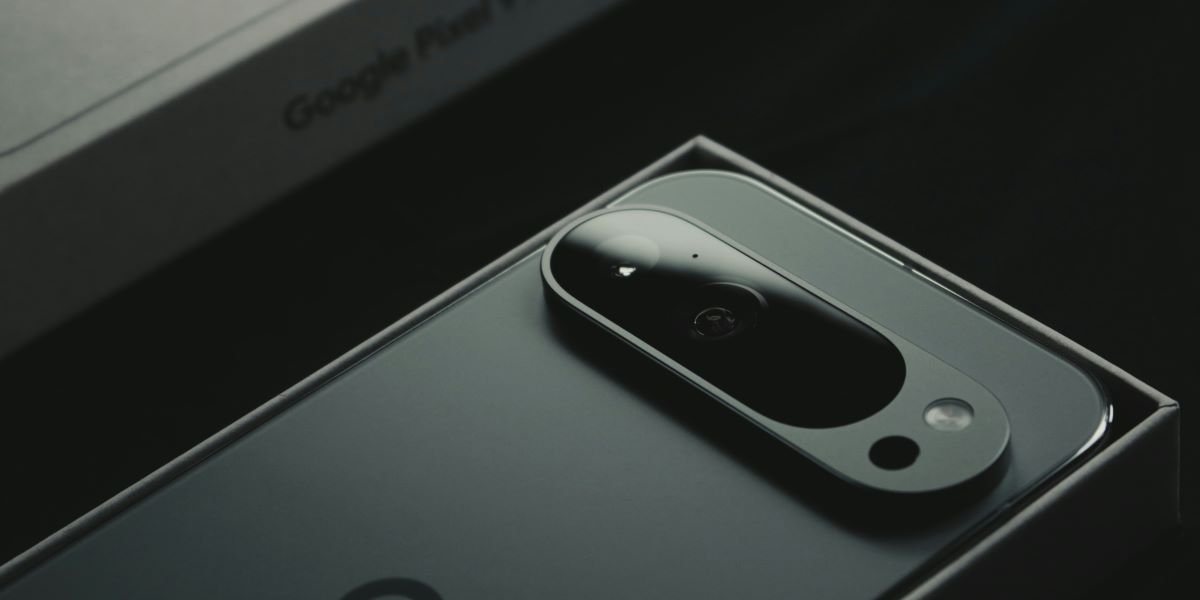

Google unveiled its full 2026 hardware lineup at the Made by Google event in New York City on August 12, introducing four Pixel 11 smartphones, the Pixel Watch 5, and the Pixel Tag, the company’s first Bluetooth tracker. Every device in the Pixel 11 family runs on the new Tensor G6 chip, built on TSMC’s 2nm process node, marking the largest architecture leap in the Pixel line’s history and positioning Google’s AI-driven features as the central selling point across its ecosystem.
Key Takeaways
- The Pixel 11 family includes four phones: Pixel 11 ($899), Pixel 11 Pro ($1,099), Pixel 11 Pro XL ($1,299), and Pixel 11 Pro Fold ($1,899), each $100 more than last year’s equivalent model.
- All models run the Tensor G6 chip on TSMC’s 2nm process, delivering a claimed 20% speed improvement and 20% better power efficiency over the Tensor G5, with a TPU that is 50% faster at processing Gemini AI commands.
- The Pixel Watch 5 starts at $399 and introduces blood pressure pattern tracking, insulin resistance trends, and breathing emergency detection.
- The Pixel Tag, priced at $29, is Google’s first own-brand Bluetooth tracker, combining Bluetooth and ultra-wideband for precision finding.
- Base storage across all Pixel 11 models increases to 256GB, eliminating the 128GB tier; all devices ship on August 20.
- The event, hosted by Trevor Noah with appearances from Steph Curry and Alex Cooper, emphasized Gemini Intelligence as the unifying software layer across Google’s hardware ecosystem.
Tensor G6 Delivers Google’s Largest Chip Architecture Leap
The Tensor G6 represents the technical foundation of the entire 2026 lineup. Built on TSMC’s 2nm N2 process node, it is the first Pixel chip manufactured at that scale, moving one full process generation ahead of the Tensor G5 that powered last year’s Pixel 10 series. Google claims the new chip improves web browsing performance by 25% and app launch speeds by 15% compared to the previous generation.
The chip pairs with a Titan M3 security coprocessor and includes what Google describes as a completely overhauled system-on-chip architecture. The TPU, Google’s dedicated AI processing unit, is reported to be 50% faster at running Gemini Nano models on-device, enabling features that process language, image recognition, and contextual responses without routing data through cloud servers. The modem has also changed: Google has switched from a Samsung Exynos modem to a MediaTek M90 modem for 5G connectivity.
For the Pixel 11 Pro and Pro XL, the chip drives computational photography improvements including 120x Pro Zoom, Instant Night Sight that captures low-light images up to 4.5 times faster than the previous generation, and on-device video processing through Video Boost. Google says Tensor G6 enables real-time video enhancements that previously required cloud-based rendering.
Four Phones, One Price Increase Across the Board
Every Pixel 11 model costs $100 more than its 2025 equivalent, a move Google partially offsets by raising base storage from 128GB to 256GB across the entire lineup. The standard Pixel 11 starts at $899 with 12GB of RAM, while the Pixel 11 Pro begins at $1,099 and the Pro XL at $1,299. The Pixel 11 Pro Fold, Google’s foldable, starts at $1,899, placing it $100 above Samsung’s Galaxy Z Fold 7.
The base Pixel 11 features a redesigned camera bar that is 40% thinner than its predecessor and a new 48-megapixel wide sensor with 56% more light sensitivity. Google claims battery life exceeds 30 hours with Adaptive Battery enabled, and the phone now supports 25W Qi2.2 wireless charging, a significant increase from last year’s 15W. All U.S. models are eSIM-only.
The Pro models introduce a triple rear camera system with a 50-megapixel main sensor, a 48-megapixel ultrawide, and a 48-megapixel telephoto with 5x optical zoom. The Super Actua display reaches 3,600 nits of peak brightness, and a new anti-scratch coating is rated at more than twice the resistance of the Pixel 10 Pro. The Pro models also debut HiLight, an LED ring around the camera flash that glows when Gemini is listening or when designated contacts call. The Pro XL reaches 75% charge in approximately 30 minutes on a wired connection.
The Pixel 11 Pro Fold is 10% lighter and nearly 1mm thinner than its predecessor. Google positions it as the centerpiece of its foldable strategy, with Gemini Intelligence features optimized for the larger inner display. The Pro Fold ships on August 20 alongside the rest of the lineup, a departure from previous years when the foldable arrived weeks later.
One specification change drew attention: the Pixel 11 Pro and Pro XL ship with 12GB of RAM at the 256GB storage tier, down from 16GB in the Pixel 10 Pro. Buyers who want 16GB must upgrade to the 512GB or 1TB configurations. Google has attributed this decision to software and silicon optimizations that it says deliver smoother performance despite the reduced memory.
Gemini Intelligence Becomes the Central Software Pitch
Google devoted a significant portion of the event to Gemini-powered features that will ship with the new devices. The company framed Gemini Intelligence as the unifying thread across phones, watch, and accessories, rather than presenting it as a standalone product.
Among the announced features, Live Transcribe now supports American Sign Language translation through the Pixel Camera, converting signed language into text in real time. A new voice input tool called Rambler is designed to interpret conversational, unstructured speech more naturally than standard dictation. Circle to Search, introduced on previous Pixel devices, now functions within the camera app to identify objects and translate text directly from the viewfinder.
All Pixel 11 Pro models include six months of Google AI Pro at no additional cost, which bundles Gemini Premium, 5TB of cloud storage, and Google Health Premium. Every Pixel 11 device will receive seven years of operating system updates, security patches, and Pixel Drop feature releases.
Pixel Watch 5 Adds Health Monitoring Capabilities
The Pixel Watch 5 is available in 41mm ($399) and 45mm ($429) sizes, both powered by the Qualcomm Snapdragon W5 Gen 2 processor with 50% more RAM than its predecessor and performance Google describes as 20% faster overall. A Stephen Curry special edition is priced at $579 and available exclusively in the United States.
The watch introduces several health monitoring features. Blood pressure pattern tracking and insulin resistance trends join the existing suite of heart rate and sleep monitoring tools. Breathing emergency detection, which Google calls an industry first for a smartwatch, can identify irregular breathing patterns and alert emergency contacts. Google Health Guardian, the umbrella feature set, positions the Pixel Watch 5 as a health-monitoring platform rather than a fitness-first device.
Personalized strength coaching uses on-device AI to guide workout form, and Google says the Watch 5 delivers its most accurate GPS route tracking to date. The device ships in obsidian, fog, olive, and canyon colorways.
Pixel Tag Enters the Bluetooth Tracker Market at $29
The Pixel Tag is the only entirely new product category Google introduced at the event. Priced at $29, the tracker is a 1-inch oval that weighs less than an ounce and combines Bluetooth with an ultra-wideband chip for precision location finding. It is compatible with Android phones running Android 9 and later and can be located and activated from a paired phone or Pixel Watch.
The design notably lacks a built-in keyring hole, echoing Apple’s AirTag approach and requiring a separate accessory for attachment to keys or bags. The Pixel Tag launches in a single colorway, fog, and is available for pre-order alongside the rest of the lineup.
The tracker slots into Google’s Find My Device network, which the company expanded in 2024 to include a broader mesh of Android devices for offline tracking. With the Pixel Tag, Google now offers a first-party hardware complement to that network, competing directly with Apple’s AirTag and Samsung’s Galaxy SmartTag.
FAQs
When do the new Google Pixel 11 devices go on sale?
Pre-orders for all Pixel 11 phones, the Pixel Watch 5, and the Pixel Tag opened on August 12, immediately after the Made by Google event. Devices begin shipping and arriving in stores on August 20, 2026.
How much more do the Pixel 11 phones cost compared to the Pixel 10?
Every Pixel 11 model is priced $100 higher than the equivalent Pixel 10. The base Pixel 11 starts at $899, the Pixel 11 Pro at $1,099, the Pro XL at $1,299, and the Pro Fold at $1,899. Google partially offsets the increase by raising base storage from 128GB to 256GB across all models.
What health features does the Pixel Watch 5 offer?
The Pixel Watch 5 introduces blood pressure pattern tracking, insulin resistance trends, and breathing emergency detection, which Google describes as an industry first for a smartwatch. These join existing heart rate, sleep monitoring, and fitness tracking features under the Google Health Guardian umbrella.