Market Daily

Abdullokh Mukumjonov: A Modern Bladesmith Bridging Tradition and Innovation


Bladesmithing is an ancient art form that has evolved over centuries. For Abdullokh Mukumjonov, a ninth-generation bladesmith, this timeless craft is more than just a trade—it is a cultural legacy. With a deep connection to his Central Asian roots and a forward-thinking approach, Abdullokh combines traditional techniques with modern tools, creating works of art that reflect both heritage and contemporary craftsmanship. His approach to bladesmithing demonstrates how cultural practices can remain meaningful and relevant in the modern world.

A Legacy of Craftsmanship

Abdullokh Mukumjonov: A Modern Bladesmith Bridging Tradition and Innovation

Photo Courtesy: Abdullaziz Mirzo Photo

Abdullokh Mukumjonov’s journey in the world of bladesmithing begins with a rich family tradition. As a ninth-generation craftsman, Abdullokh’s family has been dedicated to the art of knife-making for over nine generations. This deep-rooted legacy shapes his understanding of the craft and informs every piece he creates. From an early age, he was immersed in the intricacies of bladesmithing, learning from his forefathers who honed their skills over centuries in the heart of Central Asia.

For Abdullokh, bladesmithing is not merely about creating functional tools; it is about preserving a cultural heritage that has endured across generations. His work embodies the values of craftsmanship, skill, and cultural continuity that have been central to his family’s practice. However, Abdullokh is not content to simply replicate the past—he is committed to evolving his craft while respecting its foundational principles.

Combining Ancient Techniques with Modern Tools

Abdullokh Mukumjonov: A Modern Bladesmith Bridging Tradition and Innovation

Photo Courtesy: Abdullaziz Mirzo Photo

While many bladesmiths remain dedicated to traditional methods, Abdullokh Mukumjonov recognizes the value of integrating modern tools into his craft. One of his notable qualities is his ability to blend time-honored techniques with contemporary technology, such as digital design tools and modern manufacturing processes. This combination of the traditional and the contemporary allows Abdullokh to create blades that maintain the quality and artistry of classical craftsmanship while meeting the precise specifications of his clients.

Abdullokh’s willingness to learn new methods has enabled him to work with modern design tools effectively. By incorporating digital technologies into the design and planning phases, he has improved his ability to create customized pieces while still adhering to the core principles of traditional bladesmithing. His work demonstrates that ancient craftsmanship and modern tools are not incompatible—rather, they can complement each other when applied with care and understanding.

Bringing Central Asian Tradition to a Global Audience

Abdullokh strives to present the beauty of his work in the United States and around the world, so that these traditions can be recognized and appreciated. Through his presence in the U.S., Abdullokh works to introduce Central Asian bladesmithing traditions to audiences beyond his homeland. His customized blades reflect the distinctive qualities of his heritage—each knife tells the story of a centuries-old craft that continues to develop and adapt.

By sharing his work and craft traditions in new contexts, Abdullokh contributes to broader efforts to preserve and recognize diverse cultural practices. His commitment to maintaining traditional methods while engaging with contemporary audiences demonstrates that cultural heritage can thrive when it is practiced with dedication and shared with a genuine purpose.

A Vision for the Future of Bladesmithing

What distinguishes Abdullokh Mukumjonov is his understanding that the future of bladesmithing depends on its ability to adapt while maintaining its essential values. By thoughtfully integrating modern tools with traditional knowledge, Abdullokh demonstrates a model for how ancient crafts can remain vital and relevant in a changing world.

As a ninth-generation bladesmith, Abdullokh recognizes the importance of passing on his knowledge and skills to those who follow. He is committed to continuing the practice of his craft and contributing to efforts that preserve specialized traditional knowledge. Through his work and his dedication to the craft, he ensures that the art of bladesmithing remains a respected and meaningful practice for future generations.

A New Era for Bladesmithing

Abdullokh Mukumjonov’s approach to bladesmithing exemplifies how cultural traditions can be honored while remaining contemporary. By combining the techniques he inherited with thoughtful use of modern tools, he creates work that is both rooted in history and relevant to the present day. His commitment to preserving Central Asian craftsmanship while sharing it with the world represents an investment in cultural continuity and mutual understanding across communities.

As the bladesmithing industry continues to evolve, Abdullokh’s journey serves as an inspiration to future generations of craftsmen. His success in blending ancient techniques with modern technology proves that the art of bladesmithing can thrive in a rapidly changing world, offering new opportunities for creativity, business growth, and cultural exchange.

TexLawn Provides Expert Sprinkler System Repair for Reliable Lawn Irrigation

A healthy lawn depends on more than regular watering — it relies on an irrigation system that works with precision, balance, and efficiency. When a sprinkler system begins to fail, the effects are visible almost immediately: dry patches, oversaturated areas, inconsistent coverage, and unnecessary water waste. TexLawn provides professional Sprinkler System Repair services focused on restoring reliability and supporting long-term landscape health.

With a strong foundation built on quality workmanship, trust, and responsibility, TexLawn approaches sprinkler repairs with care and expertise. Each service is guided by the belief that irrigation systems should work seamlessly in the background, delivering the right amount of water exactly where it’s needed.

A Thoughtful Approach to Sprinkler System Repairs

TexLawn understands that no two irrigation systems are exactly alike. Soil conditions, plant types, system age, and layout all play a role in how a sprinkler system performs. That’s why repairs are never treated as one-size-fits-all solutions.

Every sprinkler system repair begins with a careful inspection of the entire system. Licensed technicians evaluate sprinkler heads, zones, valves, controllers, wiring, and water pressure to identify both visible and hidden issues. This thorough process allows TexLawn to resolve not just the symptom, but the underlying cause of the problem.

By focusing on precision rather than temporary fixes, TexLawn helps clients avoid recurring issues and maintain consistent lawn performance over time.

Addressing Common Irrigation Issues With Confidence

Sprinkler systems are exposed to daily wear, underground movement, and seasonal changes. Over time, components can become misaligned, damaged, or inefficient. TexLawn’s sprinkler system repair service addresses a wide range of common irrigation concerns, including leaking lines, broken or clogged sprinkler heads, malfunctioning valves, and controller issues that disrupt watering schedules.

Uneven coverage and pressure imbalances are also carefully corrected to ensure water is distributed evenly across all zones. These adjustments not only improve the appearance of the lawn but also support responsible water usage — an important consideration for property owners focused on sustainability and efficiency.

Licensed Professionals Committed to Quality

One of TexLawn’s greatest strengths is its team of licensed irrigation specialists. Their training and hands-on experience allow them to work confidently with residential and commercial sprinkler systems of all sizes and configurations.

Quality is never compromised. Repairs are completed using proper techniques and professional-grade components, ensuring durability and reliable performance. TexLawn’s technicians take pride in delivering work that reflects industry standards and the company’s commitment to excellence.

Trust is built through honest communication and transparency. Clients are informed about the condition of their system, the necessary repairs, and how each solution contributes to better performance and efficiency.

TexLawn Provides Expert Sprinkler System Repair for Reliable Lawn Irrigation

Photo: Unsplash.com

Responsibility That Extends Beyond the Repair

Responsibility is a core value that guides every TexLawn service. Sprinkler system repair is approached with respect for the property, the landscape, and water resources. Recommendations are made thoughtfully, with a focus on practical improvements rather than unnecessary replacements.

TexLawn also emphasizes system longevity. Adjustments and repairs are designed to help the system operate more efficiently through changing seasons, reducing stress on components and minimizing future issues. This proactive mindset delivers value long after the repair is complete.

Enhancing Lawn Health Through Reliable Irrigation

A properly repaired sprinkler system plays a critical role in overall lawn health. Consistent water distribution supports stronger root development, healthier grass, and more resilient landscaping. TexLawn’s sprinkler system repair service is designed to enhance these outcomes while giving property owners confidence in their irrigation investment.

From minor adjustments to more complex repairs, every project is handled with professionalism, care, and attention to detail. The result is a system that works quietly and effectively, supporting the landscape without constant intervention.

A Trusted Choice for Sprinkler System Repair

TexLawn has built its reputation by delivering dependable irrigation solutions rooted in experience and integrity. The company’s sprinkler system repair service reflects a balance of technical expertise and customer-focused care, making it a trusted choice for property owners seeking reliable results.

Those interested in improving sprinkler system performance are invited to request a consultation or learn more about TexLawn’s Sprinkler System Repair services. TexLawn proudly serves homeowners and businesses throughout the Dallas–Fort Worth area, providing professional irrigation solutions guided by quality, trust, and responsibility.

Tariff Pressure, Trade Shifts Reshape Economic Outlook for 2026

The global economic landscape is undergoing a significant transformation, and tariffs are playing a pivotal role. As businesses and governments adjust to new trade dynamics, the pressure of tariffs, combined with shifting supply chains, is altering the outlook for 2026. The long-term impact of these changes on both developed and emerging economies could be profound. As the world enters the new year, understanding how tariffs are shaping economic trends will be crucial for investors, market strategists, and policymakers alike.

The Shift in Global Trade: A Response to Protectionism

Tariff pressures have been mounting since the escalation of trade tensions between major economies, particularly the United States and China. While the trade war’s peak occurred in 2018-2019, tariffs remain a critical tool in international negotiations. Countries are reevaluating their trade agreements and revising tariff schedules as they seek to protect domestic industries and ensure more balanced trade relationships.

In 2026, tariffs will continue to shape market forecasts, especially as the U.S. navigates its trade policy with China, the European Union, and emerging markets. Countries have increasingly turned to tariffs not only to safeguard jobs but also to manage trade imbalances. This approach has led to higher production costs for businesses, which, in turn, impacts consumer prices and profits. The global supply chain, in particular, faces new barriers as goods flow less freely between nations due to these tariffs, leading to inefficiencies that can stifle growth in international trade.

U.S. Tariffs: A Persistent Factor in 2026 Economic Outlook

The United States, under both the current administration and those before it, has imposed substantial tariffs on Chinese goods, creating ripple effects throughout the global market. These trade tensions have led to price increases for U.S. consumers and manufacturers who rely on imports for raw materials, electronics, and consumer goods.

The tariffs on Chinese imports, for example, have had a long-lasting impact on the U.S. economy, causing businesses to either absorb higher costs or pass them onto consumers. As the U.S. moves into 2026, these tariffs will continue to affect the competitiveness of U.S. products in the global marketplace. Furthermore, China’s response to these tariffs—such as retaliatory tariffs on American goods—has resulted in shifts in market demand for products that were once easily exchanged across borders.

This ongoing trade friction has also prompted U.S. manufacturers to reconsider their reliance on Chinese goods, leading to a trend of reshoring and diversification of supply chains. While some manufacturers are moving production back to the U.S. or to other low-cost regions, this restructuring comes at a high cost, which is expected to influence price levels in 2026.

The Reshaping of Global Supply Chains in Response to Tariff Pressures

As tariffs continue to disrupt traditional supply chains, businesses are forced to adapt. Many companies are reshaping their global supply chain strategies by diversifying sourcing and shifting production locations to minimize exposure to tariff risks. This trend, known as “China plus one,” has gained momentum in recent years, with companies seeking alternative manufacturing hubs in countries like Vietnam, India, and Mexico.

In 2026, supply chains will likely remain fragmented as businesses attempt to hedge against tariff volatility and manage the risks associated with international trade. These shifts will have a significant impact on global manufacturing and logistics, potentially increasing costs for businesses that rely on complex, multinational supply chains.

While this diversification could help mitigate some risks, it also introduces new challenges. For example, businesses may face difficulties in establishing reliable and cost-effective production alternatives outside of China. The ongoing pressure from tariffs is forcing companies to carefully balance the need for resilience with the demands of profitability.

Tariffs and Consumer Behavior: The Economic Impacts

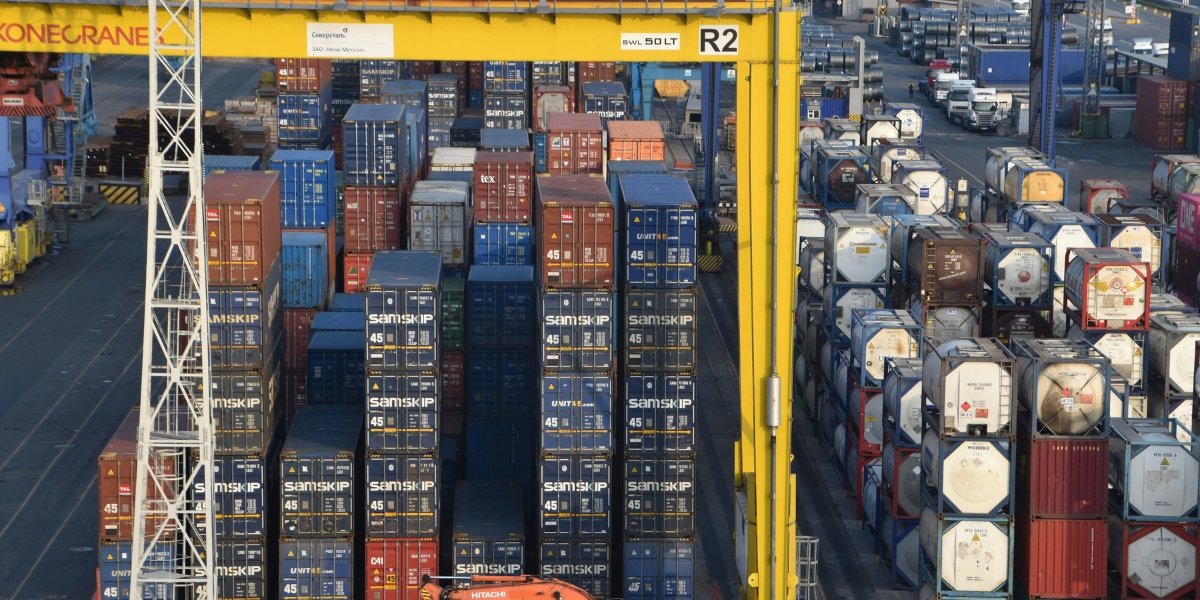
Tariff Pressure, Trade Shifts Reshape Economic Outlook for 2026

Photo Credit: Unsplash.com

The pressure of tariffs is also making its way into consumer behavior. As businesses pass on increased production costs to consumers, retail prices for a variety of goods, including electronics, clothing, and automobiles, are expected to rise. This has the potential to dampen consumer spending, especially in markets where price sensitivity is high.

In 2026, U.S. consumers may begin to see more significant price increases, particularly on goods that were previously imported from countries heavily affected by tariffs. For example, if U.S. tariffs on Chinese electronics remain in place, consumers could face higher prices for products like smartphones, laptops, and household appliances.

However, the full extent of this impact may vary by sector. In industries like technology, where innovation and rapid product cycles are key, companies may struggle to absorb the higher costs of production without passing them on to consumers. In contrast, sectors such as food and beverage may see more resistance to price hikes, as consumers could turn to cheaper alternatives.

The Economic Consequences for Global Markets

Global markets will also feel the ripple effects of these trade shifts. In 2026, economies that are heavily reliant on exports, such as Germany and Japan, will face challenges as global demand for their products fluctuates due to ongoing tariff barriers. Similarly, emerging markets in Asia and Latin America, which rely on trade with the U.S. and China, will need to adapt to the changing trade environment.

In particular, the emerging markets that previously benefited from global supply chain integration may find themselves competing for a shrinking share of global demand. Countries in Asia that have served as manufacturing hubs for major global brands are adjusting to lower levels of trade with the U.S. and other developed economies due to the high tariffs and changing global economic patterns.

The larger picture points to slower global growth as a result of tariff-related disruptions, potentially leading to lower-than-expected demand for goods and services. This, in turn, could have negative implications for global stock markets, which are highly sensitive to macroeconomic conditions.

Trade Shifts and the Road to Economic Recovery in 2026

As 2026 unfolds, businesses, investors, and policymakers will need to keep a close eye on the continued impact of tariffs and the ongoing shifts in global trade. While the world may have adapted somewhat to tariff pressures, the long-term implications for economic growth, supply chain stability, and consumer behavior remain significant.

By strategically navigating these shifting dynamics, businesses and investors can better prepare for the challenges and opportunities that lie ahead in 2026. The changes in global trade, especially in response to tariff pressures, will redefine how industries compete on the global stage, shaping the economic outlook for years to come.