Market Daily

EcoCare Pest Control Announces Complete In‑House Rodent Repair and Year‑Round Pest Insurance

By: Emma Richardson

A One‑Stop, In‑House Approach That Sets a New Standard

Backed by 25+ years of experience, EcoCare Pest Control delivers a complete, in‑house solution for rodent removal, exclusion, and full crawlspace or attic restoration. Every step is performed by EcoCare’s own trained technicians, ensuring accountability, a consistent quality standard, and efficient progress from first inspection to final cleanout. Locally owned and family operated, EcoCare builds its services around clear communication, eco‑friendly methods, and options that respect the homeowner’s budget and schedule.

A Three‑Step Process That Restores Healthy, Protected Homes

EcoCare’s service model is designed to remove the problem, seal the structure, and return the space to a clean, energy‑efficient state.

Step 1: Inspection and Removal

Every project begins with a detailed inspection of the attic, crawlspace, and exterior. Technicians look for entry points, nests, chewed insulation or wiring, odors and contamination, droppings, burrows, and signs of structural damage. Once the issues are identified, the team removes rats and mice using safe, effective methods tailored to the home’s layout and the family’s needs.

Step 2: Rodent Proofing and Entry Sealing

Rodents can enter through openings as small as a quarter, which is why EcoCare seals every practical access point. Exclusion work can include dormer and roofline repairs, foundation and burrow sealing, gutter guard installation, solar panel screening, and vent and crawlspace well repairs. Where bird activity is a factor, the team provides bird‑proofing as needed. The goal is permanent exclusion that stops reinfestation.

Step 3: Cleanout and Full Restoration

Rodents do more than intrude. They contaminate and degrade insulation and ductwork. EcoCare removes soiled insulation and vapor barriers, sanitizes and deodorizes affected areas, installs clean, energy‑efficient insulation, wraps or repairs damaged ducts, and fixes vent wells and access hatches. The work is performed by licensed, bonded, and insured technicians who document findings with photos and provide clear recommendations before work begins.

Year‑Round Pest Insurance That Puts Families First

EcoCare’s Pest Insurance program delivers four seasonal treatments designed to target the pests that are most active at key times of year. Ants in spring, wasps in summer, spiders and rodents in the fall, and other seasonal invaders are addressed with pre‑scheduled visits that reduce callbacks and product use. Treatments are child and pet-conscious and are formulated to have minimal environmental impact. Homeowners can remain in the house while EcoCare performs interior and exterior service, including relevant crawlspace and attic areas. The program is backed by a satisfaction‑first approach and ongoing inspections that catch issues before they become infestations.

Honest Service Without Pressure

Homeowners often report pushy sales tactics, fear-mongering, and vague treatment plans in this industry. EcoCare chooses a different path. The company does not door-knock, does not pressure customers into long commitments, and does not upsell services that are not needed. Each visit focuses on education, clear options, and documented recommendations. In‑home evaluations are available, with weekend appointments by request. If a problem falls outside EcoCare’s scope, the team explains practical DIY alternatives rather than forcing a sale.

Transparent Communication Backed by Reviews

Customer feedback reflects EcoCare’s emphasis on clear communication and careful work. “Patrick just did a free inspection for us and was so kind and helpful,” wrote homeowner Nadia Padzensky, who appreciated being given options and straightforward guidance. Another customer, Nick Barker, noted, “Outstanding service from start to finish… [the technician] explained each step of the treatment process and helped me understand the reasoning behind their methods.” Reviewers consistently highlight on‑time arrivals, patient answers to questions, and technicians who remain calm and professional during stressful situations. That culture of service extends to wildlife situations, crawlspace repairs, and targeted pest treatments that prioritize prevention as much as elimination.

Learn More and Connect

Homeowners who want a comprehensive plan for rodent control and year‑round pest protection can learn more at the EcoCare Pest Control website, explore tips and service walk‑throughs on the EcoCare YouTube channel, and follow community updates at EcoCare on Facebook.

About EcoCare Pest Control

EcoCare Pest Control is a locally owned, family‑operated company providing inspection, removal, exclusion, and complete restoration services for homes affected by rodents and other pests. The team specializes in eco‑friendly treatments, clear communication, and in‑house execution from start to finish. Services are available with flexible scheduling, including weekend appointments by request.

Auto-Tech Fragility Exposed: Nexperia Disruption Signals Supply Chain Risk for Investors

The fragility of global supply chains has been laid bare once again, this time by the disruption caused by Nexperia, a major semiconductor manufacturer. The crisis at Nexperia’s Dongguan plant in China is sending ripples through the automotive and technology sectors, exposing key vulnerabilities in the auto-tech supply chain. As major automakers, including Nissan and Honda, face production cuts due to chip shortages, investors should pay close attention to the broader implications for market stability, industry valuations, and long-term growth.

The semiconductor shortage that has plagued industries worldwide since the onset of the COVID-19 pandemic has now hit a new level of urgency. The Nexperia disruption not only highlights the ongoing reliance on a few critical manufacturing hubs, but also underscores the risks of underestimating the complexity of modern supply chains. For investors, this signals potential market shifts that may affect a variety of sectors, from automotive production to tech hardware manufacturing.

Nexperia’s Crisis: What Happened?

Nexperia, a Dutch-owned semiconductor company with a significant manufacturing base in China, has been forced to halt exports from its Dongguan plant following government intervention. This disruption comes amid growing tensions over Chinese semiconductor manufacturing practices and geopolitical concerns surrounding the sector. As one of the largest suppliers of essential semiconductor components for the automotive industry, Nexperia’s halt in production has sent shockwaves through the global supply chain.

The primary components affected are inexpensive yet critical chips used in automotive functions like power modules, braking systems, and windows. Despite their low cost, these components are essential for modern vehicle production. As a result, automakers like Nissan and Honda have been forced to scale back their manufacturing operations, signaling the high vulnerability of industries relying on a few semiconductor suppliers.

This situation highlights a significant gap in the global supply chain: the over-reliance on a concentrated number of manufacturing plants, particularly in China. The disruption at Nexperia’s Dongguan facility is a stark reminder of the risks associated with a single point of failure in a globalized production system.

Auto-Tech Sector Vulnerability: The Domino Effect

The impact of the Nexperia crisis is not limited to just a few automakers. As production halts in one of the most critical sectors of the global economy—automotive manufacturing—the ripple effect is being felt across multiple industries. The automotive industry alone accounts for a large portion of global semiconductor demand, and any slowdown in production can lead to significant delays in product delivery and, ultimately, revenue losses.

The semiconductor shortage in the automotive sector has already had lasting consequences. Automakers have experienced sharp declines in vehicle output, leading to supply shortages and inflationary pressures on car prices. The latest crisis at Nexperia further exacerbates these challenges, raising concerns about the ability of automakers to meet growing demand, especially in the electric vehicle (EV) market, which is heavily reliant on advanced semiconductor technology.

The auto-tech supply chain disruption poses risks for the broader technology sector. Companies relying on chips for everything from smartphones to AI-powered devices may face cascading delays and higher production costs. The effects of these disruptions could compound over time, leading to market-wide inflation and slower-than-expected growth for tech companies. For investors, these potential risks are critical to monitor, as they could impact valuations and financial forecasts.

Supply Chain Risk: A Growing Concern for Investors

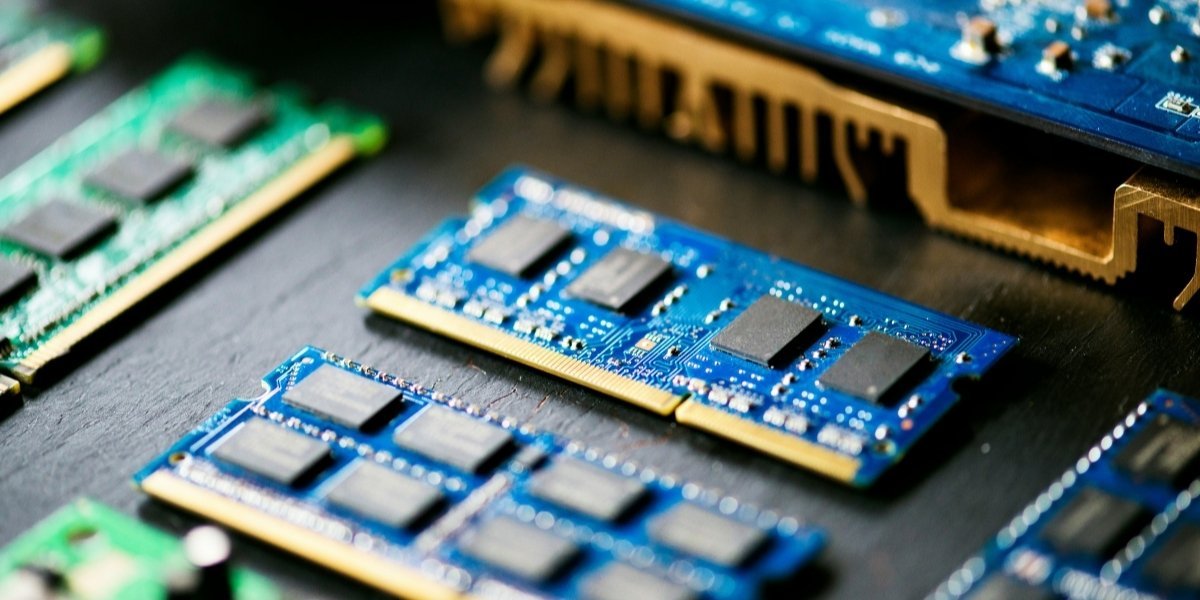
Auto-Tech Fragility Exposed: Nexperia Disruption Signals Supply Chain Risk for Investors

Photo Credit: Unsplash.com

The Nexperia chip crisis underscores a larger, systemic issue in global supply chains: fragility. While the automotive sector is facing the brunt of the immediate impact, other industries are not immune. The tech sector, particularly companies in the semiconductor, electronics, and consumer goods spaces, could face extended delays and cost increases due to the ongoing chip shortage.

This vulnerability calls into question the robustness of global supply chains, which have become increasingly complex and interdependent in recent years. The COVID-19 pandemic highlighted these weaknesses, but the Nexperia crisis serves as a stark reminder that the risks associated with supply chain concentration—particularly in critical areas like semiconductor production—are far from over. Companies operating in the auto-tech, electronics, and consumer goods sectors should reevaluate their supply chain strategies and consider diversifying their supplier base to mitigate future risks.

For investors, this means a closer examination of corporate governance and risk management strategies. Companies that rely heavily on a few suppliers or a concentrated manufacturing base may be more vulnerable to disruption. As supply chain risks continue to evolve, investors should prioritize companies that have demonstrated resilience and agility in adapting to these challenges.

The Path Forward: Strategies for Risk Mitigation

The Nexperia disruption offers a critical opportunity for companies and investors to reassess their supply chain strategies and risk management frameworks. For automakers and tech firms, diversifying suppliers and production facilities across different regions is one way to mitigate the risks of future disruptions. Additionally, companies should invest in supply chain resilience by adopting digital tools like AI and machine learning to predict and respond to potential disruptions more effectively.

In the long term, the semiconductor industry itself must evolve to become more resilient. Governments around the world, particularly in the U.S. and Europe, are already making moves to incentivize domestic semiconductor production, recognizing the strategic importance of this sector. The U.S. government has already allocated billions in subsidies and incentives to support semiconductor manufacturing, as part of a broader strategy to reduce reliance on foreign sources of critical technology.

For investors, the key takeaway from the Nexperia crisis is clear: supply chain risk is a real and growing concern that can impact market performance in unexpected ways. By staying informed about supply chain disruptions and the companies that are best positioned to navigate these challenges, investors can make more informed decisions about their portfolios.

A Wake-Up Call for Global Supply Chains

The Nexperia chip crisis serves as a wake-up call for both businesses and investors. It reveals the fragility of global supply chains and the need for greater diversification and resilience in critical industries. The automotive and tech sectors, in particular, will need to adapt to these new realities by reassessing their supply chain strategies and ensuring they have contingency plans in place to weather future disruptions.

For investors, this disruption highlights the importance of staying informed about the companies that are most vulnerable to supply chain risks. By prioritizing firms with strong risk management practices and diversified supply chains, investors can better navigate the evolving landscape and protect their portfolios from unexpected shocks.