
Import Export Market Analysis: Key Economic Trends & Growth Drivers


The import-export market plays a pivotal role in driving global economic growth. With the surge in international trade, economies are increasingly interconnected, and the flow of goods across borders is critical to the world’s economic framework. In the face of evolving geopolitical shifts, technological advances, and changing consumer demands, understanding the key trends and growth drivers in the import-export market has never been more essential for businesses and investors alike.
Trade Policy and Regulatory Shifts
Trade policies and regulatory frameworks are central to shaping the import-export market. As countries become more protectionist in their economic policies, tariffs, and trade restrictions, businesses must adapt to these shifts or risk losing access to key markets. The United States, for example, has been at the forefront of recent trade policy discussions, with the ongoing trade tensions between the U.S. and China influencing tariffs and export restrictions on critical goods like semiconductors and agricultural products.
A major driver of growth in the import-export sector lies in the evolution of these policies. Countries that embrace trade liberalization tend to see increased flows of goods and services, while those with protectionist policies may witness a contraction in trade volumes. The Comprehensive and Progressive Agreement for Trans-Pacific Partnership (CPTPP) and the European Union’s trade agreements are prime examples of how free trade initiatives are expanding market access and fostering economic growth.
E-Commerce and Digital Trade
E-commerce continues to be a significant growth driver in the global import-export market. Online retail has exploded globally, and with it, cross-border trade. The rise of digital platforms has enabled businesses to reach international customers without the need for physical stores. Global giants like Amazon, Alibaba, and eBay have set the stage for small and medium-sized businesses to expand their reach internationally.
The shift toward e-commerce has also led to the digitalization of logistics, with companies investing in automated warehousing, AI-powered inventory management, and advanced tracking systems. These technological advancements improve the efficiency of the supply chain, reducing costs and enabling faster shipping times, which are crucial for the success of global trade in the digital age.
As e-commerce sales skyrocket, global trade platforms are becoming the lifeblood of the import-export market. With more consumers purchasing goods from overseas, businesses are ramping up their cross-border shipping capabilities to meet the demand. The ease of buying products internationally has transformed how trade operates, making it essential for companies to adapt to this digital shift.
Global Supply Chain Disruptions
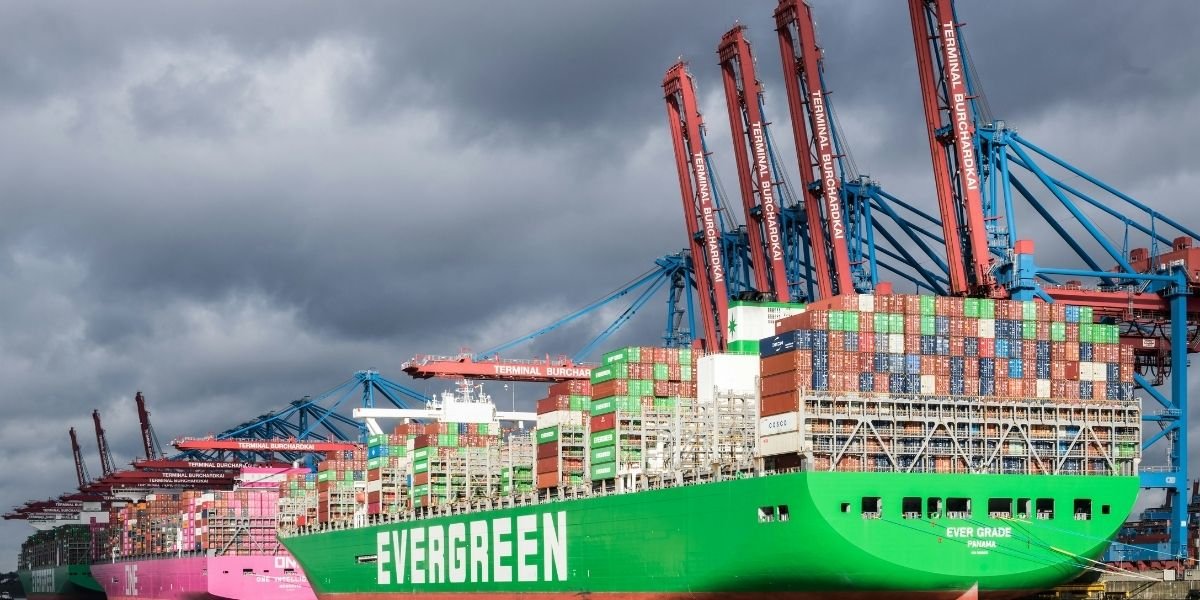
Photo Credit: Unsplash.com
While the digitalization of trade has bolstered global commerce, global supply chains have faced significant disruptions in recent years. The COVID-19 pandemic exposed vulnerabilities in the global supply chain, leading to delays, higher transportation costs, and shortages of key materials. Supply chain issues also stem from geopolitical tensions, such as trade wars, and the ongoing challenges of energy price fluctuations.
The shift toward “just-in-time” manufacturing, where companies rely on minimal stockpiles of materials and components, has proven to be both an advantage and a vulnerability. The pandemic underscored the need for more resilient supply chains, and businesses are increasingly investing in nearshoring and diversifying supply sources to mitigate risks.
Despite these challenges, the long-term growth of the import-export market remains strong, as companies work to adapt to disruptions and seek more robust systems for moving goods across borders. The current era is witnessing a transformation in how goods are sourced, produced, and shipped, with greater emphasis on diversification and resilience.
Technological Innovation in Logistics and Shipping
Technology is transforming the logistics and shipping industries, with advancements in automation, blockchain, and AI-driven tools reshaping the import-export market. Blockchain, for example, is being increasingly used to provide greater transparency and security in transactions, making it easier for companies to track goods from origin to destination.
Another key technological advancement is the growth of autonomous vehicles and drones. These technologies are changing how goods are delivered, with companies exploring the use of drones for small-package deliveries and autonomous trucks for long-haul shipments. These innovations promise to drive efficiencies, reduce costs, and improve delivery times for businesses involved in international trade.
Robotics and artificial intelligence are also improving the efficiency of customs and border operations, making the clearance process smoother and faster. These technologies help reduce human error, expedite shipments, and ensure compliance with complex regulatory requirements, all of which are essential for maintaining the flow of goods in the global market.
Consumer Behavior and Market Shifts
Consumer behavior plays a pivotal role in driving changes in the import-export market. As global consumers become more conscientious about sustainability and ethical business practices, demand for sustainable products and environmentally friendly logistics is growing. For example, the push for greener packaging, carbon-neutral shipping, and eco-friendly products is influencing international trade policies and supply chains.
Rising income levels in emerging markets are creating new consumption patterns. Countries like India, Brazil, and Indonesia are seeing rapid increases in demand for luxury goods, electronics, and fashion. The increasing middle class in these regions is contributing to a shift in global trade flows, with businesses turning their attention to new markets where there is growing consumer power.
As consumer preferences evolve, businesses must stay agile and adjust their product offerings to meet the demands of a changing marketplace. For instance, the increasing preference for organic food products and sustainable materials is driving new trade opportunities in agriculture, textiles, and manufacturing.
Sustainability and Green Economics
Sustainability is no longer just a buzzword in the import-export market—it is becoming a core business imperative. Green economics, which focuses on environmentally sustainable practices, is rapidly gaining traction in the trade and logistics sectors. Companies are increasingly under pressure to reduce their carbon footprint and adopt eco-friendly practices in their operations.
From reducing emissions in transportation to adopting green supply chain practices, businesses are actively working to lower their environmental impact. Governments and organizations worldwide are also offering incentives to businesses that embrace sustainability, such as subsidies for clean energy adoption or tax breaks for reducing carbon emissions.
In the long term, sustainable trade practices will become a key driver of growth in the import-export market, with eco-conscious businesses gaining a competitive advantage in a marketplace that increasingly values environmental responsibility.
As the import-export market continues to grow and evolve, it’s clear that a variety of factors—ranging from technology and supply chain dynamics to shifting consumer behaviors and sustainability—are at play. Businesses must stay informed about these trends to remain competitive and capitalize on emerging growth opportunities.