
Rare-Earth Supply Shock: Why China’s Export Deal Matters for Tech


The global tech industry has long relied on a steady supply of rare-earth materials, which are essential in the production of everything from smartphones to electric vehicles (EVs) and advanced aerospace technology. Recently, a new trade deal between China and the U.S. has thrust these materials into the spotlight, raising significant concerns about supply chains, pricing, and the broader implications for tech manufacturers worldwide. This export deal, which involves critical materials like lithium, cobalt, and rare-earth elements, could have far-reaching consequences for industries heavily dependent on these resources. For market-savvy investors and financial professionals, understanding the potential impact of this deal is crucial as it could lead to market shifts and investment risks.
The Rare-Earth Supply Chain: A Critical Juncture for Tech
China is one of the largest producers of rare-earth materials, which are used in the production of high-tech products, including computer hard drives, medical equipment, and military hardware. However, the country has recently taken steps to modify its rare-earth export policies, which are causing ripples across global markets. The new deal involves a significant change in how China will handle its rare-earth exports to the U.S., potentially tightening the supply of these critical materials.
Rare-earth elements have long been considered strategic assets, with the supply chain tightly controlled by a small number of countries, primarily China. The recent deal has created both opportunities and challenges for tech industries, as they rely heavily on these materials to meet growing demand. For U.S. manufacturers, this deal could complicate their ability to secure a steady supply of rare-earths, pushing companies to either find alternative sources or pay a premium for these materials.
Market Impact: What This Deal Means for U.S. Tech Companies
U.S. tech companies, especially those in the electric vehicle (EV), semiconductor, and renewable energy sectors, are already feeling the pressure from tightening supply chains. The rare-earths used in EV batteries, for example, are essential to the growth of the green economy. As the demand for EVs continues to rise, the supply of materials like lithium and cobalt has become more crucial than ever. Any disruption to this supply can lead to price hikes, production delays, and an increase in the cost of final products.
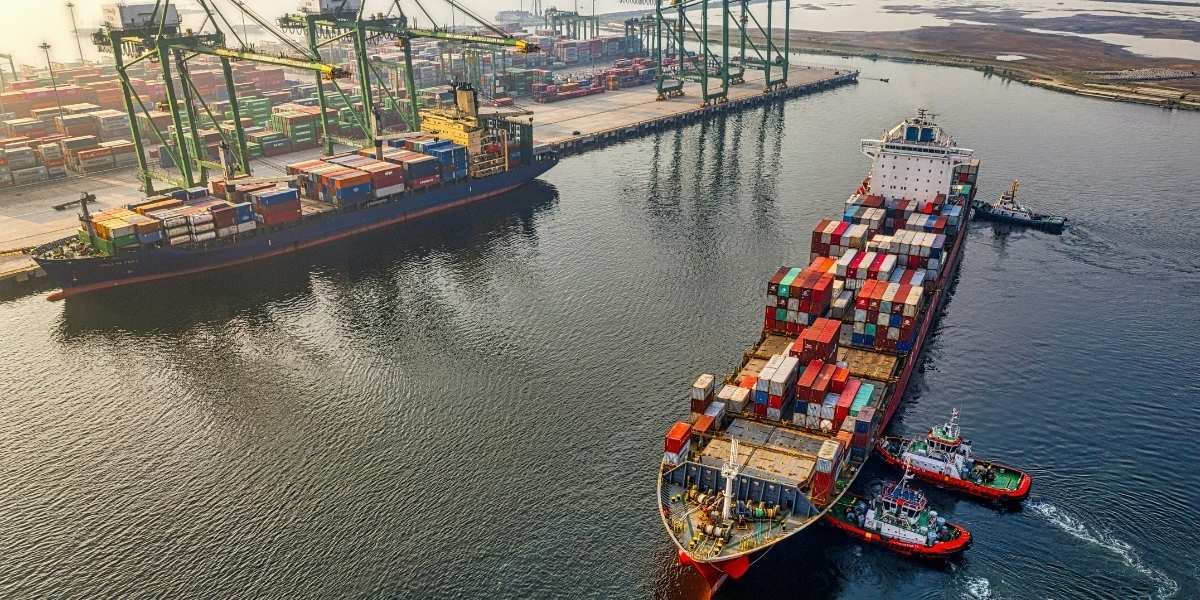
Photo Credit: Unsplash.com
Semiconductor manufacturing—which forms the backbone of everything from consumer electronics to high-performance computing—is directly impacted by the availability of rare-earths. If U.S. companies face delays or inflated costs due to the new export restrictions, it could affect everything from computer hardware to 5G infrastructure, ultimately slowing technological progress and potentially stalling stock performance in these sectors.
The effect of rare-earth supply disruptions is far-reaching, and tech firms must adapt quickly to mitigate the impact. For investors, this means closely monitoring any developments in global trade negotiations and the tech supply chain. As China remains the dominant player in rare-earth production, shifts in their export strategy could influence market conditions and future growth projections for key industries.
How Global Relations Are Shaping the Future of Tech
The rare-earth export deal also underscores the ongoing geopolitical tension between China and the U.S., particularly in the realm of trade and technology. As the world’s two largest economies continue to vie for influence in the global tech sector, the availability of critical materials has become a key point of contention. While this export deal may seem like a short-term solution, it could have long-lasting effects on U.S. manufacturers who may face growing challenges in securing vital resources.
In addition, the shift in supply chains is prompting other nations to reassess their reliance on China for rare-earths. Countries like India, Japan, and Australia have been increasing their efforts to mine and process rare-earths domestically, aiming to reduce their dependency on China. While these efforts are still in their infancy, they could eventually provide alternative sources for U.S. manufacturers, reducing their vulnerability to supply shocks. However, this would likely take time, and in the interim, the cost of securing these materials could rise significantly.
For global investors, the geopolitical landscape around rare-earths is becoming a key indicator of market instability. As U.S. firms search for alternatives and negotiate with foreign suppliers, companies with strong global supply chains may be better positioned to weather the storm. Tech stocks, especially those involved in manufacturing and green technology, will likely be among the most affected by these shifts.
What Investors Need to Watch: Market Signals and Future Projections
For investors, understanding the potential long-term impact of the rare-earth supply shock is essential. While the immediate market reaction has been relatively muted, the ripple effects from this deal could become more apparent as supply constraints lead to higher costs. The key sectors to monitor include:
Electric vehicles (EVs): With automakers racing to meet the growing demand for EVs, any disruption in the supply of rare-earths could hinder production and delay vehicle releases.
Semiconductors: As the heart of modern electronics, semiconductor companies are highly sensitive to fluctuations in material costs. Investors should track any news on chip production and the availability of rare-earth materials.
Renewable energy: The global push for clean energy depends on rare-earth elements for everything from solar panels to wind turbines. Disruptions in the supply of these materials could delay green energy projects, potentially altering market expectations for clean energy growth.
To mitigate risk, investors might want to diversify their portfolios to include companies that are less reliant on rare-earths or those with advanced technologies capable of using alternative materials. As the situation develops, staying informed about trade negotiations and government policies regarding rare-earth exports will be crucial for making timely investment decisions.
Navigating the Rare-Earth Landscape
As China and the U.S. continue to negotiate the terms of their rare-earth export deal, the future of the global tech industry remains uncertain. While this deal may ease short-term concerns, the long-term implications for supply chains, production costs, and technological innovation could be significant. The rare-earth supply shock is not just a temporary disruption but a reminder of the vulnerabilities inherent in a globalized tech supply chain.
For investors, understanding the strategic importance of rare-earths and monitoring global trade tensions will be key to staying ahead in the rapidly evolving tech sector. As geopolitical and supply chain risks continue to shape market dynamics, those who can navigate these complexities will be well-positioned to make informed decisions.


