Market Daily

Breaking the PR Mold: How Jason Erkes Is Redefining What’s Possible with Artificial Intelligence

By: Samantha Draxler

Ask any public relations professional where they feel the greatest pressure today, and many will likely say the same thing: doing more with fewer resources. Tight deadlines, full client rosters, and shrinking margins have left agencies squeezed at every turn.

It is in that pressure cooker where Jason Erkes and his venture, PromptedComms, are striving to make an impact. Rather than selling more hustle, Erkes is introducing innovative AI-powered solutions that aim to help communications professionals work more efficiently, effectively, and more strategically.

From Newsrooms and Politics to AI Pioneer

Erkes is not a typical tech founder. He often jokes that the closest he has come to being a tech guy was dressing up as Steve Jobs one Halloween. His career spans nearly 30 years in media, politics, and high-stakes communications, work that has earned him several Emmys, Reed, and MarCom awards. He has covered news events around the world, advised campaigns in political war rooms, and led communications strategy at the executive level.

Before founding PromptedComms, Erkes served as chief communications officer at Cresco Labs, where he helped shape the narrative of the emerging cannabis industry. He managed acquisitions, IPOs, store launches, and regulatory battles, developing a reputation for steady leadership under pressure. In short, he understands crisis, nuance, and the unique challenges PR professionals face every day.

That experience gives his AI work a strong foundation. Erkes did not pivot to artificial intelligence because it was trendy. He stepped back from a successful communications career to study AI, prompt engineering, and how the technology could be applied to the real-world demands of public relations.

PromptedComms: No Hype, Just Impact

Breaking the PR Mold How Jason Erkes Is Redefining What’s Possible with Artificial Intelligence

Photo Courtesy: PromptedComms

The guiding principle behind PromptedComms is straightforward: show communications teams how to use AI, not just explain why it matters. Erkes focuses on practical strategies rooted in the realities of agency life. His message is clear: you do not need more tools; you need to leverage AI to work smarter, not harder.

The Masterclass: Turning AI From Buzzword to Business Asset

The live PromptedComms Masterclass has become the foundation of Erkes’s work. The 90-minute session feels more like a workshop than a lecture, blending his PR expertise and journalistic instincts with startup energy. PR teams watch as abstract AI concepts turn into immediate, usable applications.

Erkes demonstrates how AI can potentially refine media pitches, draft award submissions, simulate crisis responses, and pull insights from data that once sat untouched. The focus is on what can be done today, not someday. “Jason made AI feel accessible, even exciting,” said one participant. “By the end, we were already rewriting our workflow.”

The pace is fast, the tone practical, and the content deeply familiar to anyone in communications. Teams leave the masterclass with tools—prompts, systems, and workflows—they can apply the next day.

“The session was fast-paced, engaging, and packed with real-world use cases that every PR pro will recognize. I walked away with practical tools I could implement immediately—several ‘wow’ moments made the value undeniably clear,” said masterclass attendee Kelly Evans.

The Agency Accelerator: Building AI That Knows Your Clients

Breaking the PR Mold How Jason Erkes Is Redefining What’s Possible with Artificial Intelligence

Photo Courtesy: PromptedComms

For agencies ready to delve deeper, Erkes developed the Agency Accelerator, which implements five custom-built PR tools right into the agency’s ChatGPT Business account. These tools act like built-in team members that can write, research, and develop creative strategies trained on each client’s voice, tone, and communications playbook.

Each GPT is programmed to follow AP style, match brand tone, and understand campaign context. The result is a copy and strategy that closely resembles that of a seasoned account executive, not a machine. The system allows teams to generate press releases, creative ideas, or analysis in seconds without sacrificing accuracy or authenticity.

“AI should never be about taking people out of the process,” Erkes said. “It’s about taking the repetitive, time-consuming parts off their plate so they can focus on strategy, storytelling, and creativity. The technology is the assistant — the communicator is still the author.”

Bridging the Gap and Reimagining PR

The PR industry is at an inflection point as generative AI increasingly becomes a standard part of the communications toolkit. Yet adoption has been uneven, often stalled by training that comes from technologists rather than communicators. Erkes bridges that divide, speaking both languages fluently. His background in media and corporate strategy allows him to translate complex technology into tools that solve real PR challenges.

He views AI not as a replacement for human judgment but as a partner in creativity and analysis. The potential is vast—from tailoring media pitches and simulating crisis scenarios to transforming analytics into actionable insights. With PromptedComms, Erkes is helping agencies move from curiosity to capability, offering clarity amid the noise and a roadmap to a smarter, more agile era of public relations.

The Significance of a Strong Tagline for Your Business

What a Tagline Represents

A tagline is a short phrase that captures the essence of a business. It communicates the brand’s purpose, values, or promise in a way that is easy to remember. Unlike a company name or logo, which may be abstract, a tagline provides clarity by telling customers what the business stands for.

According to All New Business, taglines act like a handshake that introduces a brand to the world. They are often the first words a customer associates with a company, making them a powerful tool for shaping perception. A strong tagline can create an immediate connection, while a weak or unclear one may leave customers uncertain about what the business offers.

The distinction between a tagline and a slogan is also important. While slogans are often tied to specific campaigns or products, taglines are more enduring. They serve as a consistent thread across marketing efforts, reinforcing the brand’s identity over time.


Building Recognition and Recall

One of the main functions of a tagline is to make a business memorable. In crowded markets, customers are exposed to countless brands every day. A concise and meaningful tagline helps a business stand out by giving people something easy to recall.

Research highlighted by Slogans Hub shows that short, emotionally resonant phrases are more likely to stick in consumers’ minds. This is why many of the most recognizable brands rely on taglines that are only a few words long. The simplicity makes them easier to repeat, share, and associate with the brand.

For small businesses, recognition is especially important. A tagline can act as a bridge between limited marketing budgets and customer awareness. By reinforcing the brand message consistently, even modest campaigns can achieve greater impact.


Communicating Values and Purpose

A tagline does more than attract attention. It also communicates what a business values and how it positions itself in the market. Customers often look for brands that align with their own beliefs or needs, and a tagline can signal that alignment quickly.

For example, a company focused on sustainability might use a tagline that emphasizes environmental responsibility. A business centered on innovation might highlight progress or creativity. According to Inkbot Design, taglines are brand messages at their most efficient, condensing complex ideas into a few words that resonate with audiences.

This clarity helps customers decide whether a brand is relevant to them. It also provides internal guidance, reminding employees of the company’s mission and reinforcing consistency across operations.


Differentiating from Competitors

In competitive industries, businesses often offer similar products or services. A strong tagline can highlight what makes one company different from another. This differentiation is not always about features or prices; it can also be about tone, personality, or customer experience.

For instance, two coffee shops may sell similar drinks, but one might emphasize community while the other highlights speed and convenience. Their taglines would reflect these differences, helping customers choose the option that best fits their preferences.

Differentiation through taglines is particularly valuable in markets where products are commoditized. By focusing on emotional or experiential qualities, businesses can create loyalty that goes beyond functional benefits.


Supporting Marketing and Advertising

Taglines play a central role in marketing campaigns. They provide a consistent message that can be used across advertisements, websites, packaging, and social media. This consistency reinforces brand identity and ensures that customers receive the same message regardless of where they encounter the business.

Advertising professionals often describe taglines as anchors. They tie together different elements of a campaign, ensuring that the overall message is clear and cohesive. Without a tagline, campaigns may feel fragmented or lack a unifying theme.

For businesses, this means that investing time in developing a strong tagline can improve the effectiveness of all marketing efforts. It ensures that resources spent on advertising contribute to building long‑term recognition and trust.


Emotional Connection with Customers

A tagline has the potential to create an emotional bond with customers. By using language that resonates with feelings rather than just facts, businesses can strengthen loyalty and encourage repeat engagement.

Psychologists note that people often make purchasing decisions based on emotion, even when they believe they are acting rationally. A tagline that evokes trust, excitement, or belonging can influence these decisions in subtle but powerful ways.

This emotional connection also supports word‑of‑mouth marketing. Customers who feel strongly about a brand are more likely to share it with others, and a memorable tagline gives them an easy way to do so.


Adapting to Changing Markets

While taglines are designed to be enduring, they may need to adapt as markets and customer expectations change. A company that shifts its focus, expands into new areas, or responds to cultural changes may update its tagline to reflect its new direction.

The process of updating a tagline should be handled carefully. Abrupt changes can confuse customers, but thoughtful updates can signal growth and relevance. According to All New Business, many brands have successfully refreshed their taglines while maintaining continuity with their past identity.

For businesses, the key is to balance consistency with flexibility. A tagline should remain recognizable while also reflecting the company’s current values and goals.


Outlook for Businesses Developing Taglines

The significance of a strong tagline lies in its ability to communicate clearly, build recognition, and create emotional connections. In an environment where customers are constantly exposed to competing messages, a well‑crafted tagline provides stability and focus.

The outlook is steady. Businesses that invest in developing meaningful taglines are more likely to achieve long‑term recognition and trust. While products and campaigns may change, a tagline can remain a constant reminder of what the brand represents.

By understanding the role of taglines and applying them thoughtfully, companies can strengthen their identity and ensure that their message resonates with customers across different markets and contexts.

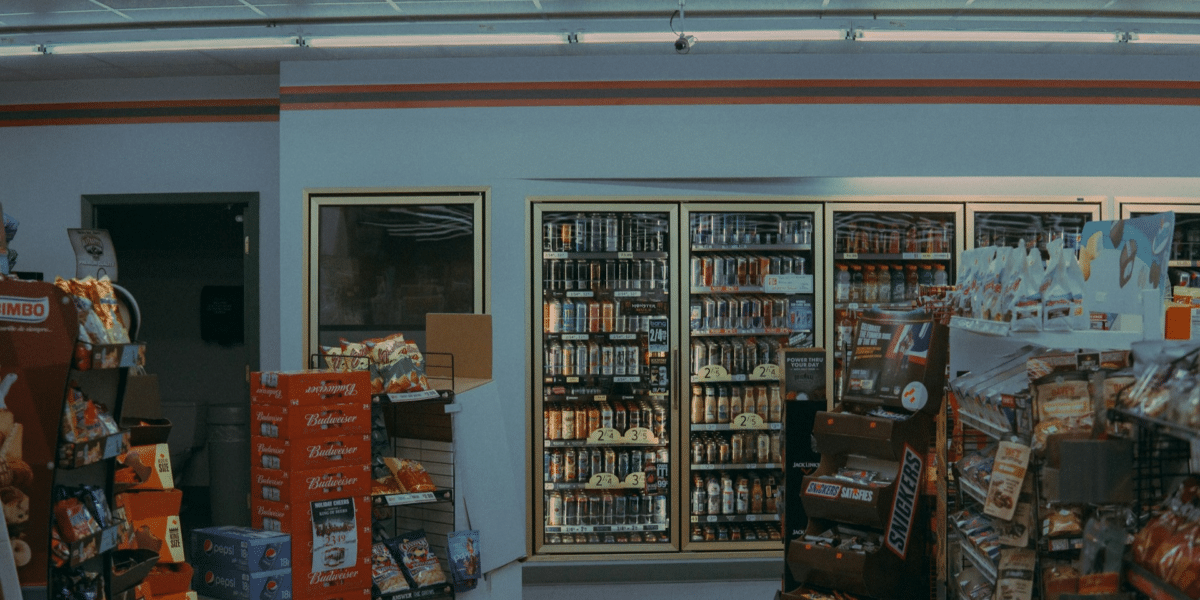
Exploring the Viability of Convenience Stores as Small Businesses

Why Convenience Stores Appeal to Entrepreneurs

Convenience stores are often seen as an accessible entry point for small business owners. They provide essential goods such as snacks, beverages, and household items, which ensures steady demand. Unlike specialized businesses that require technical expertise, convenience stores rely on meeting everyday needs, making them attractive to first‑time entrepreneurs.

According to the CSP 2025 Outlook Survey, 58 percent of convenience store operators expressed optimism about business conditions this year, while only 19 percent expected a downturn. This optimism reflects the resilience of the sector, even as it faces challenges such as inflation and labor shortages.

Entrepreneurs also value the flexibility of the model. Stores can be independently owned, franchised, or part of a chain. Each structure offers different levels of support and autonomy, allowing owners to choose the approach that best aligns with their goals and resources.


Profitability and Margins

Convenience stores typically operate on thin margins, relying on high sales volume to generate profit. Staple items such as milk, bread, and fuel often bring in little profit but drive customer traffic. Higher‑margin products like prepared foods, coffee, and personal care items help balance the equation.

A profitability guide from BusinessDojo notes that monthly revenues for convenience stores can range from $50,000 to $100,000 depending on location, product mix, and operational efficiency. Success depends on careful cost management and maximizing sales of higher‑margin categories.

Location is a critical factor. Stores near residential neighborhoods, schools, or transportation hubs tend to perform better because they capture consistent foot traffic. In contrast, stores in less accessible areas may struggle to generate enough volume to offset thin margins.


Labor and Operational Challenges

Running a convenience store comes with operational challenges. Staffing is one of the most significant. The CSP survey found that 46 percent of operators identified hiring and retaining employees as their top concern. Long hours, late shifts, and relatively low wages make staffing difficult, especially in competitive labor markets.

Operational efficiency is another challenge. Owners must manage inventory, prevent theft, and comply with health and safety regulations. For small business operators, this often means wearing multiple hats, from managing suppliers to handling customer service.

Technology is helping address some of these issues. Point‑of‑sale systems, automated inventory tracking, and digital payment options streamline operations and reduce errors. While these tools require upfront investment, they can improve efficiency and reduce long‑term costs.


Consumer Behavior and Market Trends

Consumer expectations are shifting, and convenience stores are adapting to meet them. Shoppers increasingly look for healthier options, fresh food, and sustainable products. Stores that expand beyond traditional packaged goods are better positioned to compete with supermarkets and online retailers.

The Convenience Store News Industry Report 2025 highlights that prepared foods, coffee programs, and healthier packaged goods are among the fastest‑growing categories. These items not only meet evolving consumer preferences but also deliver higher margins compared to staple products like fuel or bottled drinks.

Adapting to these preferences requires investment in equipment, training, and supply chain adjustments. However, aligning product offerings with consumer demand can strengthen customer loyalty and increase profitability, making convenience stores more resilient in competitive markets.


Competition and Differentiation

Convenience stores face competition from supermarkets, discount retailers, and online platforms. To remain viable, small operators must differentiate themselves. This can be achieved through personalized service, unique product offerings, or community engagement.

Independent stores often have an advantage in flexibility. Unlike large chains, they can quickly adjust product selections to reflect local preferences. For example, a store near a college campus might stock affordable meal options, while one in a residential neighborhood might focus on family essentials.

Customer experience is another area where differentiation matters. Clean, well‑lit stores with attentive staff are more likely to retain customers. While these factors may seem basic, they can make a significant difference in competitive markets.


Long‑Term Viability

The long‑term viability of convenience stores as small businesses depends on adaptability. Operators who embrace technology, respond to consumer trends, and manage costs effectively are more likely to succeed. Those who rely solely on traditional models may struggle as competition intensifies.

The CSP survey suggests cautious optimism. While challenges such as labor shortages and inflation remain, many operators believe the sector will continue to provide opportunities for small business owners. The combination of steady demand and evolving consumer preferences creates both risks and possibilities.

For entrepreneurs considering this path, preparation is key. Understanding margins, choosing the right location, and planning for operational challenges can make the difference between success and failure. With careful planning, convenience stores can remain a viable option for small business ownership.

What One Kitchen Mishap Taught Me About Designing Smootheeze for a Greener Future

By: Ross Nelson, CEO and Co-Founder of Smootheeze

When I first started sketching ideas for Smootheeze, I wasn’t chasing a sustainability trend. I was trying to solve a small, stubborn problem in my own kitchen. My wife was making smoothies and struggling to pry apart frozen bananas stuck together in a zip-top bag. It was messy, wasteful, and, ironically, unsustainable in every sense of the word. I remember thinking: for all our talk about wellness, convenience, and innovation, why hasn’t anyone built a freezer tray that actually works for something as simple as smoothies?

That frustration became the seed for what would later grow into Smootheeze, a line of platinum-silicone freezer trays designed specifically for prepping smoothie ingredients. The more I researched, the more I realized how often sustainability falls short, not because people don’t care, but because sustainable products too often fail to perform. Consumers may love the idea of going green, but they still live in a world that rewards ease, familiarity, and efficiency. A reusable product that leaks, cracks, or complicates daily routines doesn’t just lose customers; it sets back the broader sustainability movement by reinforcing the myth that eco-friendly means inconvenient.

The real challenge isn’t convincing people to care about sustainability. It’s creating something that works so well that sustainability becomes an effortless side effect.

Sustainability That Doesn’t Announce Itself

When I began designing Smootheeze, I wanted the product to feel like an upgrade, not a compromise. Most consumers will try an eco-alternative once, but if the experience feels second-rate, they’ll return to plastic. That meant we couldn’t treat sustainability as a marketing story; it had to be embedded in the engineering.

We landed on FDA-certified platinum silicone because it solved multiple problems at once. It’s flexible but durable, freezer- and dishwasher-safe, and built to last decades. The very qualities that made it long-lasting also made it functional. Users simply got a better experience.

That’s the sweet spot in sustainable design: when the ethical choice also happens to be the most practical one. The moment sustainability requires sacrifice, extra cleaning, shorter product lifespan, or a worse user experience, you’ve lost most of your potential customers.

Consumers don’t want to be activists every time they open the freezer. They just want products that fit their lives.

The Trust Deficit in “Green” Branding

The next challenge was credibility. “Eco-friendly” has become one of the most overused and least regulated labels in the consumer market. It’s easy to make sustainability claims; it’s harder to prove them. For a small, self-funded brand competing with big-box convenience, transparency became our greatest differentiator.

We show customers exactly what our trays are made from, how they’re tested, and why they cost more than a typical plastic container. That openness builds long-term loyalty. People don’t mind spending a few extra dollars when they can see where the value comes from, and when they trust that the brand won’t hide behind buzzwords.

In a way, building trust was the real design challenge. You can’t design your way into authenticity; you have to earn it through consistency, responsiveness, and honesty about trade-offs. If a product costs more because it’s produced responsibly, we tell customers why. If there’s a design update or manufacturing change, we explain it. That level of clarity may seem minor, but it compounds over time. The more transparent you are, the more your customers become partners in the mission rather than passive buyers.

Small Brands, Big Agility

As a small, self-funded company, we don’t have the resources of a multinational brand, but that’s actually an advantage. We can iterate faster, communicate directly with customers, and pivot quickly when we see opportunities. Some of our best improvements came from messages sent by customers on Instagram, people sharing photos of their trays filled with soup, baby food, or adaptogenic mocktails.

That kind of direct relationship is something big-box competitors can’t buy. For small brands, authenticity is the ultimate moat. You can’t out-spend corporate marketing, but you can out-listen and out-care.

When you design alongside your customers rather than above them, they become co-creators. And when they feel invested in your product, they don’t just buy it, they advocate for it.

The Future of Sustainable Design Is Emotional

Sustainability isn’t a product feature anymore; it’s an emotional promise. It says: you can do something good without giving anything up. That’s what today’s consumers crave, not a pat on the back for being virtuous, but a sense of empowerment that doing the right thing doesn’t have to feel like work.

If there’s one lesson I’ve learned, it’s that people fall in love with experiences. A plastic-free product succeeds when it feels seamless, satisfying, and human.

At Smootheeze, we didn’t reinvent the freezer tray. We just made it smarter, sturdier, and kinder to the planet. The sustainability aspect came naturally because the best way to create a green product people actually use is to design something they’d love, even if it weren’t.