Philanthropy has long been viewed as a late-career milestone—a choice often associated with individuals who have achieved a certain level of financial security. But Dr. Connor Robertson believes that’s an outdated model. For him, giving is not the end of the journey—it’s the beginning.
As a business acquisition strategist, private equity expert, and long-time supporter of mission-driven nonprofits, Dr. Connor Robertson has become an emerging voice in the world of modern philanthropy. His impact goes beyond what he gives. It’s in how he teaches others to give early, give wisely, and give with intention.
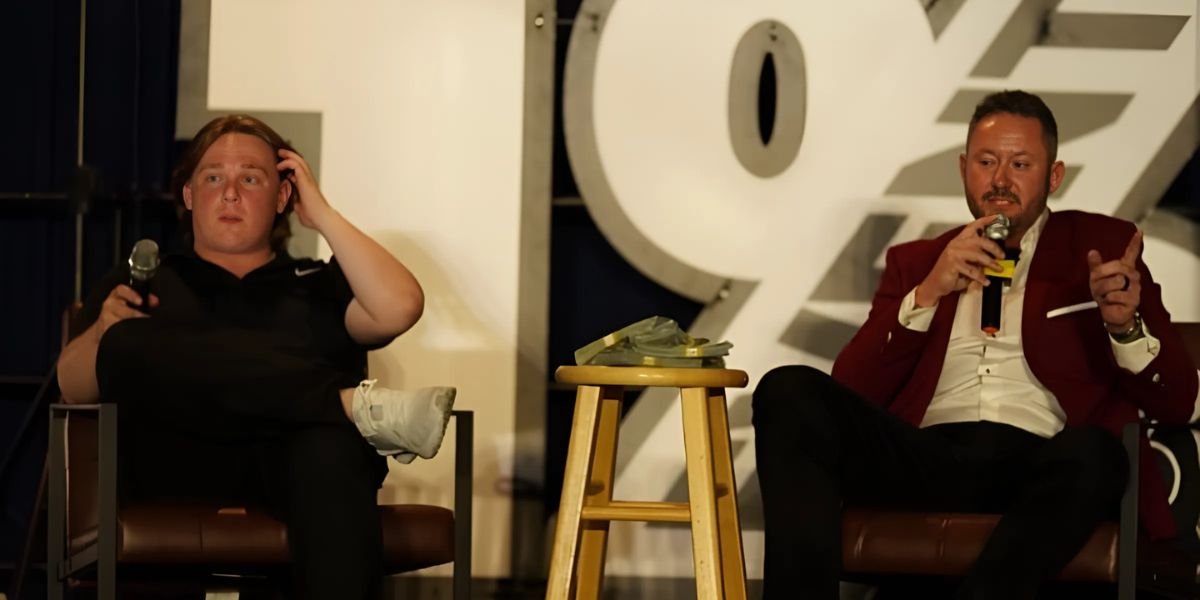
Through formal mentorship programs, public talks, strategic partnerships, and consistent messaging via social media, Dr. Connor Robertson is reshaping the way the next generation thinks about giving. He is helping young entrepreneurs, professionals, and emerging leaders build a personal philanthropy strategy long before they reach traditional wealth milestones.
This article explores how Dr. Connor Robertson is building a movement of early-stage givers, and why he believes teaching people to be generous from day one may offer long-term benefits for the future of philanthropy.
Why Giving Early Matters
Many people assume giving comes after success. But Dr. Connor Robertson suggests that giving early may contribute to long-term success—by building discipline, focus, and clarity of values from the beginning of a career or business journey.
When a young entrepreneur commits to giving—even $25 a month—they are prompted to consider what they care about, how they want to impact the world, and how their financial decisions align with their personal values. These reflections, Dr. Connor Robertson says, can help shape business instincts and build the foundation for ethical leadership.
Giving early also creates momentum. Small, recurring contributions build confidence and establish habits. As income grows, so can impact. And when generosity becomes part of your identity early on, it’s more likely to endure over time.
Dr. Connor Robertson shares this message frequently on social media, encouraging his followers to stop waiting for “someday” and start giving today—even if the amounts are small. It’s not the number that matters—it’s the mindset.
Mentoring Through Frameworks, Not Just Inspiration
While many philanthropic leaders offer motivational talks, Dr. Connor Robertson goes a step further. He provides tangible frameworks for how to build structured giving systems—even at the earliest stages of a career or business.
His mentorship covers:
- How to select causes based on alignment, not guilt or trendiness
- How to automate giving through financial tools and accounting systems
- How to involve peers, clients, or team members in giving campaigns
- How to track and measure the impact of small donations over time
- How to share giving publicly without coming across as performative
These lessons are taught through one-on-one sessions, group mentorship cohorts, and digital content hosted at www.drconnorrobertson.com. Young professionals are invited to begin their giving journey with intention and structure—just like any other area of business or personal finance.
Creating “Philanthropic Operating Systems” for Gen Z and Millennials
A core part of Dr. Connor Robertson’s mentorship philosophy is helping young donors treat philanthropy like any other process—with recurring tasks, budget allocations, review cycles, and accountability.
He refers to this as a “philanthropic operating system.” It includes:
- Recurring Giving Schedule
Young donors set up monthly donations to a cause that matters to them. Even small amounts—$10 to $50—create consistency. - Quarterly Review
They review where their giving went, assess the impact, and decide whether to increase, continue, or diversify. - Visibility and Storytelling
Using social media or newsletters, donors share why they give and what outcomes they care about, inviting their community to join. - Peer Engagement
Giving becomes a social act. Donors invite friends to co-donate, host giving parties, or build group campaigns.
This system builds habits that can scale with income. More importantly, it frames giving as a core function—not a side project.
Teaching Philanthropy Through Social Media
Dr. Connor Robertson has built a strong following on platforms like LinkedIn, Instagram, and YouTube—not by showing off his lifestyle or investments, but by showing his giving.
His social media content includes:
- Behind-the-scenes looks at Habitat for Humanity builds
- Real-time updates on campaigns and donation goals
- Giving guides for early-stage entrepreneurs
- Mini-trainings on how to create a personal giving budget
- Q&A sessions on how to choose the right nonprofit partner
Through this content, Dr. Connor Robertson makes philanthropy accessible. He breaks down big concepts into small, actionable steps. He shows that you don’t need a foundation or a fund to start—you just need intent.
His posts regularly link to resources at www.drconnorrobertson.com, where young donors can download templates, view impact reports, and join community initiatives.
Encouraging Donors to Build Toward Future Impact
Many of Dr. Connor Robertson’s mentees are in their 20s and 30s—years away from the kind of financial wealth typically associated with philanthropy. But he teaches them to think in terms of legacy, not just liquidity.
Legacy, in his view, begins the moment someone takes responsibility for improving the world around them. A young professional who donates 1% of their salary, volunteers once a quarter, and shares impact stories online is already building a legacy that can grow over time.
And over time, the compound effect tends to be powerful. Several of Dr. Connor Robertson’s early mentees have gone on to:
- Create recurring giving clubs with friends or coworkers
- Launch donor-advised funds before the age of 35
- Co-invest in impact campaigns tied to business revenue
- Mentor others in turn, multiplying the giving ecosystem
These stories are featured frequently on his platforms—not as proof of personal success, but as illustrations that early-stage donors can become lifelong givers with increasing impact.
Creating Philanthropic Peer Networks
To support this growing movement, Dr. Connor Robertson is building what he calls “giving peer networks.” These are small, curated groups of early-stage entrepreneurs and professionals who meet monthly to:
- Share updates on their giving plans
- Hold each other accountable
- Highlight nonprofits they support
- Collaborate on co-donation projects
- Learn from more experienced mentors
These networks foster momentum and eliminate the isolation many young donors feel. Instead of wondering whether their $50 gift matters, participants see it in the context of a collective effort—and are encouraged to keep going.
Dr. Connor Robertson plans to expand these networks nationally, and they are all coordinated through sign-up and support tools at www.drconnorrobertson.com.
Normalizing Giving as a Cultural Standard
Part of what makes Dr. Connor Robertson’s work so notable is that it challenges cultural norms around giving. In many circles, especially among business builders, giving is seen as a distraction, a non-essential activity, or a PR tactic.
But by mentoring young professionals early—and showing the business and emotional benefits of generosity—he is helping shift that culture.
Giving, under his model, is:
- A leadership trait
- A form of self-regulation
- A way to build relationships and community
- A source of personal fulfillment
- A framework for legacy
And when this becomes the default expectation—not the exception—it changes how entire industries operate.
What the Future Holds
Dr. Connor Robertson is not slowing down. Future plans include:
- Launching an online course specifically for first-time donors under 35
- Publishing a book about early-stage philanthropy and impact leadership
- Expanding his giving peer networks to 100+ cities
- Partnering with universities and business schools to teach philanthropy alongside finance
- Creating a 1-for-1 giving accelerator where young entrepreneurs commit to matching a percentage of their revenue with charitable contributions
All of these projects will be managed through www.drconnorrobertson.com, which will continue to serve as the home base for educational content, resources, and community involvement.
Summary: Generosity Is a Skill—And It Starts Young
Dr. Connor Robertson is helping demonstrate that you don’t need to wait until you’re wealthy to be generous. You don’t need a foundation to make an impact. You don’t need to be famous to inspire change.
You just need to start—with $10, with one volunteer hour, with one conversation.
By mentoring a new generation of donors to think early, give intentionally, and build systems that grow with them, Dr. Connor Robertson is contributing to a cultural shift. One where generosity isn’t reserved for a few—but encouraged for all.
To learn more about how to begin your own giving journey, download free resources, or join a philanthropic peer group, visit www.drconnorrobertson.com.
Because a strong time to start building a legacy is now.
Disclaimer: This article is intended for informational and educational purposes only. It does not constitute financial, legal, or philanthropic advice. The views and activities attributed to Dr. Connor Robertson are based on publicly available sources and personal reporting. Readers are encouraged to conduct their own due diligence and consult appropriate professionals before making decisions related to charitable giving, financial planning, or business development. No endorsement of specific organizations or guarantees of outcomes is implied.