From Nigeria to the U.S.: How Francis Ifeacho Built His Dream in Real Estate

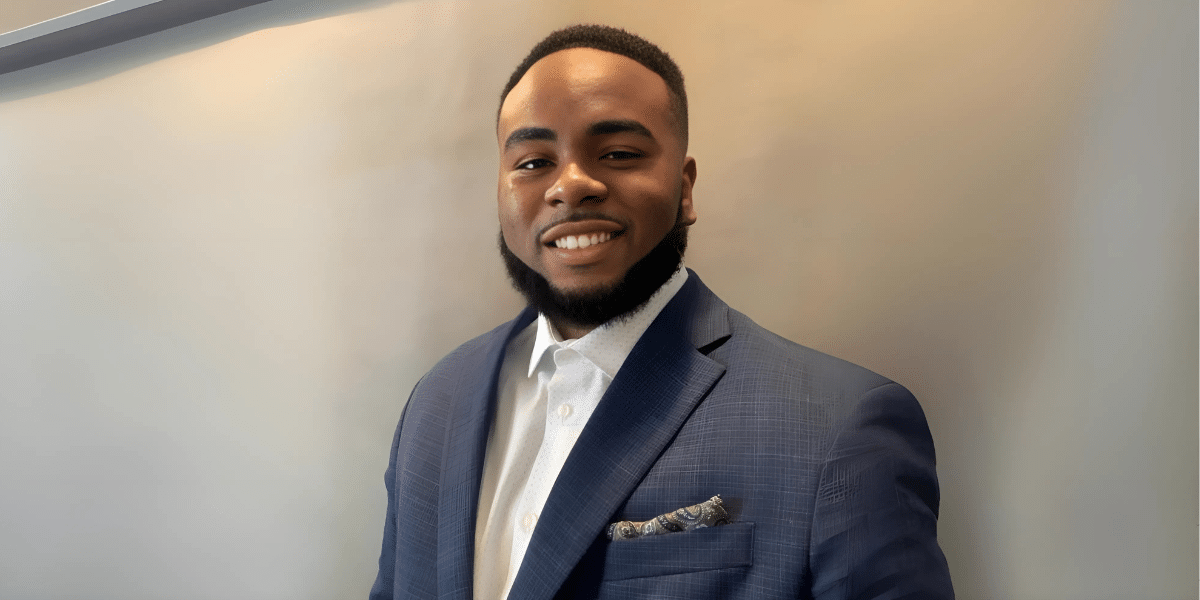
By: Seraphina Quinn
Francis Ifeacho’s story begins long before he set foot on American soil. It begins in the heart of Nigeria, with the wisdom of his parents, the resilience they imparted, and the dreams they sowed in him. His journey to success in real estate is not just a tale of financial gains or losses but of courage, identity, and an unyielding belief in the power of hope.
Born to humble beginnings, Francis grew up in a home where education and hard work were not merely values but the very fabric of life. His father, an engineer turned lecturer, taught him the art of curiosity and problem-solving. His mother, a teacher and small-scale entrepreneur, was his bedrock. She embodied strength, compassion, and the essence of enterprise. It was from her that Francis learned to love deeply and work tirelessly. She was the kind of woman who could take a tiny seed and grow a garden. Her passing in 2011 to breast cancer was one of Francis’s darkest moments, a wound that never quite heals, but instead teaches.
In 2014, Francis came to the United States, like many immigrants, seeking the American Dream. With a bachelor’s degree in electrical engineering and a master’s in telecommunications from the University of Maryland, his future seemed bright. But his heart was restless; it beat to a rhythm that academic success alone could not satisfy. He knew he was destined for something different, something more.
The First Steps and Stumbles in Real Estate
His passion for real estate led him to leave his job in 2016, forming his own LLC to dive headfirst into house flipping. He was filled with excitement, the kind that burns so brightly it blinds you to the obstacles ahead. At first, he took small steps—attending seminars, touring homes, and absorbing knowledge like a sponge. But as every business owner knows, reality is often harsher than ambition. Lack of financing and experience proved to be formidable roadblocks. So, Francis turned to hard money lending, juggling multiple gig jobs to make ends meet while striving to kickstart his dream.
In 2017, he found a mentor in Stephanie Terry, a veteran in real estate. Under her guidance, he purchased his first property and renovated it successfully. His hope soared. Yet, the smooth ride he anticipated soon gave way to unexpected bumps. Between 2017 and 2018, he bought several more properties, but this time, things unraveled: unreliable contractors, unforeseen repair costs, and market fluctuations. By 2019, he was staring at $100,000 in debt. His business crumbled, leaving him at a crossroads. The weight of failure pressed down, and it was as if the world had turned its back on him. He contemplated bankruptcy—a move that threatened his carefully built credit and the future he had dreamed of since arriving in the U.S.
A New Dawn After the Darkness
Francis’s story could have ended there, buried under the ruins of financial collapse and broken aspirations. But it didn’t. With quiet determination, he rebuilt. Filing for Chapter 7 bankruptcy in 2020, while painful, gave him a clean slate. His credit score fell, his LLC was dissolved, and he had to start over, humbled but wiser. During this period, he picked up skills in house renovations, working as a general contractor to earn a living. It was a glimmer of hope, a reminder that even when dreams falter, they can be revived in new forms.
In 2023, he launched a new venture—this time, a small-scale rental property business focused on providing short-term hospitality services for travel nurses, digital nomads, and tourists. His approach was different now. It was not just about profit; it was about creating a space where people could feel at home away from home. Within twelve months, his properties received 87 out of 88 five-star ratings on Airbnb, quickly catapulting him to superhost status. His business was ranked high on the platform, a testament to his dedication and the value of placing people at the center of his work.
Embracing Solitude and Identity
Francis’s journey is not just about entrepreneurship; it is a testament to the human spirit. Through each setback, he found himself peeling back layers of his identity. He learned to embrace the solitude that came with his path, recognizing that his uniqueness—his sigma INFJ personality—was not a hindrance but a strength. It was during those quiet moments of introspection that he understood that the work done with authenticity and honesty resonates far beyond one’s immediate environment. He began to see that true success comes from being unwaveringly true to oneself.
A Vision of Positivity and Service
For Francis, his story is not simply one of loss and recovery; it is a message of hope. He has learned that life’s journey is rarely linear and that setbacks can become stepping stones to even greater heights. His success in real estate is not measured solely by the accolades but by the lives he touches through his business.
Looking ahead, Francis aspires to be a beacon of hope and positivity, not just in his entrepreneurial endeavors but in life. He dreams of a future where his work continues to serve people’s needs, where his story inspires others to rise above their own challenges. His journey speaks directly to small business owners: to those who face setbacks, who toil in solitude, and who wonder if they will ever break through.
Francis Ifeacho’s story reminds us that there is strength in resilience, beauty in authenticity, and power in unwavering hope. To follow his journey and glean inspiration from his path, find him on Instagram: @b__frenzy.
Published by: Martin De Juan