
Spray Foam vs. Blown-In Fiberglass vs. Fiberglass Batts: Lane Pace Breaks Down the Differences

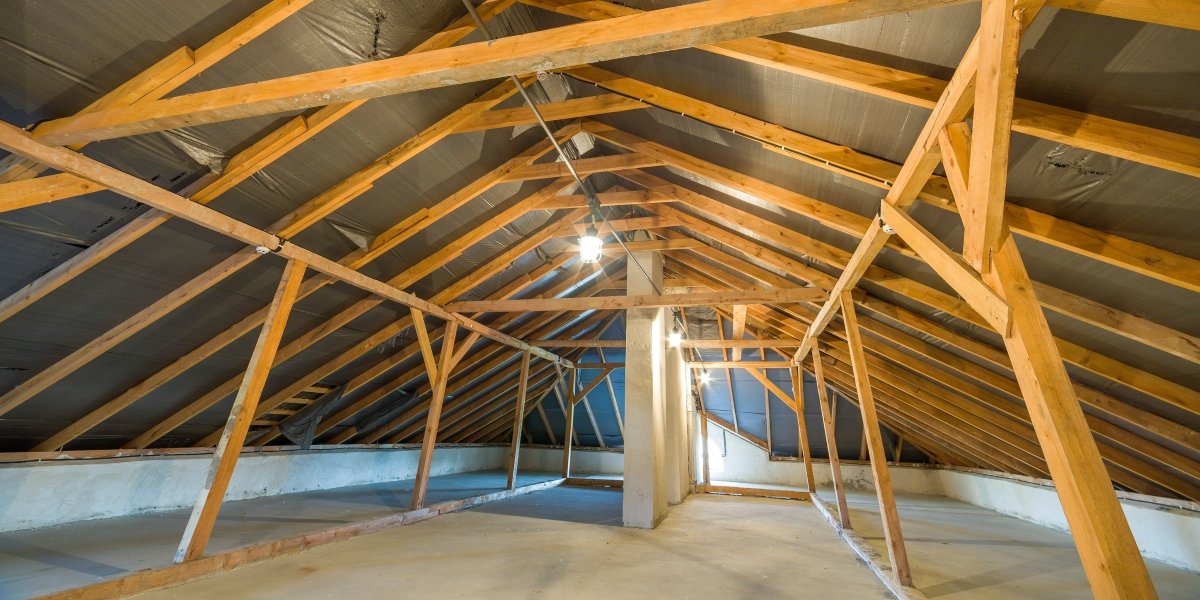
Choosing the wrong insulation can waste money and create moisture problems for years. Here’s how the three most common options actually compare.
Homeowners staring down an insulation project usually end up weighing spray foam against blown-in fiberglass and fiberglass batts. Picking between them isn’t just a matter of budget because each material behaves differently once it’s inside a wall, attic or crawl space. Lane Pace, a building science specialist who leads Louisiana Spray Foam & Insulation and LUAS Insulation, breaks down how the three actually compare and what should drive the decision for a given home.
Why Insulation Type Matters More Than Most Homeowners Realize
It’s tempting to treat insulation as a single product category where more is simply better. In practice, it’s a building science decision that depends on the climate a home sits in and the assembly it’s being installed into. The right material for a vented attic in a hot, humid region isn’t necessarily right for an unvented roof deck or a crawl space with moisture concerns.
No single insulation type has been proven to create a continuous whole-home air barrier on its own, which is part of why an air-sealing strategy must be considered alongside material choice rather than as an afterthought. Insulation slows heat transfer. Air sealing controls where and how air moves through the structure. A home needs both working together to perform the way homeowners expect.
The Main Differences Between Spray Foam, Blown-In Fiberglass and Fiberglass Batts
Spray foam, blown-in fiberglass and fiberglass batts install differently, perform differently over time and come with very different price tags. Here’s how they actually stack up against each other.
Material Composition and Installation Method
Fiberglass batts are pre-cut panels sized to fit between studs and joists and are typically installed by hand. Blown-in fiberglass is a loose fill material that gets installed using pneumatic equipment, making it a common choice for attics and other open cavities where batts would leave gaps. Spray polyurethane foam starts as a two-component liquid that expands and cures in place, and it requires trained applicators who understand mixing ratios, surface prep and application thickness.
Thermal Performance and R-Value
R-value per inch varies across a range for each material rather than being a single fixed number. Closed-cell spray foam generally delivers a higher R-value per inch than either open-cell foam or fiberglass products, which is part of why it gets specified in tight assemblies. But R-value alone doesn’t tell the whole story because installation quality and air leakage both affect how a material performs once it’s actually in a wall or roof deck. Specific R-value targets vary by climate zone and local code rather than following one universal number.
Air Sealing and Thermal Envelope Impact
Spray foam expands to fill gaps and can contribute meaningfully to air sealing when it’s applied correctly. Fiberglass batts and blown-in fiberglass typically require separate air-sealing work to achieve the same level of performance because neither material inherently closes off air pathways the way expanding foam does. The thermal envelope functions as a single system rather than a collection of isolated materials stacked on top of one another.
“Insulation works best when it’s part of a broader strategy that includes air sealing,” Pace says. He adds that skipping the air sealing step means treating the symptom rather than the underlying cause of a home’s energy loss, a point he’s expanded on elsewhere when discussing where homes actually lose conditioned air.
Moisture Management and Condensation Risk
Closed-cell spray foam acts as a vapor retarder, whereas open-cell foam and fiberglass products are more vapor-permeable. Fibrous insulation like batts can allow interior air to reach cold surfaces within an assembly, which can contribute to condensation risk in certain conditions. No material eliminates or permanently prevents mold or moisture issues on its own. Vapor retarder placement has to match the climate and the specific assembly design because putting a vapor retarder in the wrong location can trap moisture rather than keep it out.
Long-Term Durability and Structural Protection
Fiberglass batts and blown-in fiberglass can settle, shift or lose loft over time, which reduces their effective R-value even if nothing looks visibly wrong. Properly installed closed-cell spray foam doesn’t settle in the same way and can add rigidity to the assembly it’s applied to. Durability ultimately comes down to material choice and installation quality control working together rather than either factor on its own.
Pace says a properly installed spray foam system typically lasts about 50 years, with some installations lasting even longer. He notes that closed-cell foam tends to outlast open-cell foam because of its density and moisture resistance, particularly in humid climates where open-cell foam faces more moisture-related wear over time.
Cost and Installation Quality Control
Spray foam generally comes with higher upfront material and labor costs, while fiberglass batts and blown-in fiberglass tend to be less expensive to install. That cost gap doesn’t tell homeowners whether they’ll actually see the performance they paid for. Installation quality control determines whether a specified system delivers as intended, regardless of which material is chosen.
How to Choose the Right Insulation Strategy for Your Home
Knowing how these materials differ is only half the equation. The real decision comes down to matching one, or a combination of them, to the home in front of you.
Assess Your Climate and Building Assembly
Hot, humid climates like Louisiana, Mississippi, Alabama and Texas carry different moisture and vapor considerations than mixed or cold climates do, and insulation solutions that work well in one region can underperform or even cause problems in another. The existing assembly matters too. A vented attic calls for a different approach than an unvented attic, and that distinction shapes which materials make sense.
“People often think humidity is just a climate issue,” Pace says. He points out that how a home is sealed and insulated shapes how outside moisture ultimately affects indoor comfort, something he’s discussed in more detail when outlining questions homeowners should ask before hiring a spray foam contractor.
Match the Insulation Type to the Problem Area
Roof decks, crawl spaces and subfloors each present their own common issues, from radiant heat gain to ground moisture to temperature swings that affect comfort in the rooms above. Different areas of the same home often call for different materials rather than one product used uniformly throughout the structure.
Work With a Building Performance Professional
A whole-home evaluation tends to yield better outcomes than a sales pitch focused on a single material. A qualified professional accounts for code alignment, ventilation and moisture management together as a connected system rather than addressing them one at a time. That kind of evaluation supports sound decision-making, but it isn’t a substitute for official code inspection or licensed engineering review when required.
Having a Home That Performs the Way It Should
The choice between spray foam, blown-in fiberglass and fiberglass batts is about matching the right material, or combination of materials, to a home’s climate, its assembly and the specific problems it needs to solve. A whole-home approach to building performance accounts for all of that at once instead of treating insulation as an isolated purchase. For homeowners weighing these options, working with a qualified professional to evaluate the property’s specific needs is the clearest path to a home that actually performs as it’s supposed to.