Market Daily

TSPi’s Acquisition by Abt Global and the Broader Consolidation Trend in Federal Technology Services


Mergers and acquisitions have become a familiar feature of the government technology market. Contractors rarely operate in isolation for decades without encountering some form of consolidation. Agencies continue to demand cloud services, cybersecurity, analytics, and modern software delivery, but procurement cycles remain long and expensive. Building those capabilities internally takes time. Acquiring them is often faster. Industry analysts have pointed to a steady wave of mergers and acquisitions across the federal consulting and technology markets as firms attempt to expand into areas linked to digital modernization and data-driven domains.

Federal funding trends have played a role in this. Federal budget figures indicate that spending on IT in civil and military departments has recently exceeded $ 100 billion per year. In addition, the focus on such areas as cloud computing, artificial intelligence, cybersecurity, and modernizing legacy systems grew. This has changed the types of vendors sought in acquisitions. Mid-size companies, whose unique capabilities have not yet been developed, are of growing interest to other businesses aiming to diversify their portfolios without developing everything themselves.

Technology Solutions Provider, Inc., known as TSPi, entered that environment after more than two decades in government contracting. Founded in 2001 in Reston, Virginia, the company initially focused on network engineering and infrastructure services before expanding into software development, cloud integration, and digital modernization programs. Its customer base spanned across multiple civilian agencies and, by the early 2020s, its work had become increasingly tied to low-code systems, cloud platforms, analytics, and data-oriented delivery models.

That profile caught Abt Global’s attention. In May 2024, Abt announced that it had acquired TSPi. Reporting by Washington Technology and GovCon Wire described the transaction as part of Abt’s effort to strengthen digital and data-driven capabilities across federal markets. Financial terms were not publicly disclosed. According to reporting surrounding the acquisition, TSPi had approximately 400 employees and more than $67.3 million in federal contract obligations during the preceding year. USDA was the largest customer, according to federal spending records.

The deal reflected a pattern visible throughout the government services sector. Consulting organizations increasingly seek technical capabilities that complement policy and research expertise. In the past, firms often specialized in one side or the other. That distinction has become less clear. Agencies now expect contractors to combine subject-matter expertise with software delivery, cloud operations, and data analysis at competitive prices. As a result, acquisitions have become one method for creating broader portfolios.

Abt Global itself had long been associated with research, evaluation, health programs, and international development work. Adding TSPi brought a different set of capabilities. Reporting at the time pointed to expertise in cloud engineering, agile development, low-code platforms, and data science. TSPi offer expertise in software platforms have become common in federal modernization programs because they support integration between older systems and newer digital environments.

Low-code development was another element of the strategy behind this acquisition. Resource limitations and complex procurement policies sometimes constrain federal organizations. Low-code development reduces development time and makes deployment easier. When contractors use low-code development tools, they pay less attention to developing applications from scratch and more to configuring and integrating the elements of these applications.

Data science capabilities formed another part of the picture. Agencies have increasingly invested in analytics and automation. Yet artificial intelligence within government remains uneven. According to the Government Accountability Office (GAO), there has been an ongoing trend of agencies still building their governance frameworks for AI deployment. In most cases, the first step in any modernization initiative is ensuring that data and workflow management are in place before considering an analytical tool. Consequently, the value of contractors experienced in cloud computing and structured databases has increased.

TSPi’s own work reflected that transition. Public reporting surrounding the acquisition described capabilities in digital modernization and data science rather than traditional infrastructure support. Over time, the company had moved into areas linked to reusable software frameworks, cloud integration, and analytics-oriented systems. Those services aligned with broader changes taking place across federal agencies. The acquisition effectively combined Abt’s consulting and mission expertise with technical delivery capabilities that had become increasingly important in government programs.

Consolidation within the sector has not been limited to a handful of companies. Market analysts and industry publications have documented continuing acquisition activity among firms serving federal agencies. Demand for modernization expertise has grown as departments seek to update systems that, in some cases, date back decades. Cloud migration, cybersecurity requirements, and AI-related initiatives have added further pressure. Acquisitions provide one path toward assembling those capabilities, though they also create integration challenges within the acquiring organizations.

Another factor is workforce availability. Skilled software engineers, cloud architects, and data specialists remain in high demand. Acquiring a company often means acquiring experienced personnel and established customer relationships at the same time. In federal contracting, those relationships can span years. Programs evolve gradually. Existing trust with agencies often matters as much as technology itself.

Abt Global’s acquisition of TSPi marks twenty-plus years during which the company has adapted to meet shifting demands in the government technology market. The acquisition of TSPi is consistent with the trends currently defining the federal market.


Fed Minutes and Walmart Earnings Converge Wednesday as Consumer Data Sends Mixed Signals on Spending Momentum

The Federal Reserve will release minutes from its contentious July meeting on Wednesday, the same morning Walmart reports second-quarter earnings, creating a dual catalyst that is likely to set the market’s direction for the second half of August. The July FOMC session produced a 9-to-3 vote to hold rates steady at 3.5% to 3.75%, with three regional presidents dissenting in favor of a hike. The minutes will offer the most granular view yet of internal deliberations on rate policy under Chair Kevin Warsh, arriving days after a surprise 0.6% decline in July retail sales raised fresh questions about consumer resilience in a 3.4% inflation environment where wages are no longer keeping pace with prices.

Key Takeaways

  • The Federal Reserve releases minutes from its July 28-29 meeting on Wednesday, detailing deliberations behind a 9-to-3 hold at 3.5% to 3.75%; three dissenters favored a rate hike to combat above-target inflation.
  • Walmart (WMT) reports Q2 earnings Wednesday before market open, offering the week’s most consequential consumer spending read after July retail sales fell 0.6%, the steepest monthly decline since May 2025.
  • The 10-year Treasury yield held near 4.68% Tuesday with the 30-year at 5.23%, reflecting persistent inflation concerns; AI stocks including Nvidia, Meta, Tesla, and Oracle dropped up to 3% in Tuesday premarket trading.
  • July CPI came in at 3.4% year over year, while average hourly earnings grew 3.2%, marking the fourth consecutive month that inflation has outpaced wage growth.
  • Markets are pricing approximately 69% odds that the Fed holds rates again at its September 15-16 meeting, with the retail sales miss and subdued core CPI reducing expectations for a near-term hike.

The July FOMC Minutes Will Reveal the Depth of the “Family Fight” on Rate Policy

The July 28-29 Federal Open Market Committee meeting produced the most visible internal disagreement of the Warsh era. The committee voted 9-to-3 to hold the federal funds rate at a target range of 3.5% to 3.75%, but three regional Fed presidents dissented, arguing that above-target inflation warranted a rate increase. Chair Warsh acknowledged the split publicly, calling it “a real family fight” and describing the deliberations as focused on “the big questions that matter to the conduct of monetary policy.”

The minutes, scheduled for release at 2:00 p.m. ET Wednesday, will provide the detailed discussion that the post-meeting statement and press conference could only summarize. For markets, the critical passages will be those addressing how committee members assessed the persistence of inflation, the role of supply-side shocks (including energy costs elevated by the Iran conflict), and whether the majority that voted to hold views the current rate as restrictive enough to bring inflation back to the 2% target within a reasonable timeframe.

Previous minutes from the June meeting revealed that officials were “split over whether inflation is likely to stay elevated or whether it will cool once the Iran war winds down.” The July minutes will show whether that split has widened or narrowed. If the minutes reveal that additional members were close to joining the dissent, markets may reprice the probability of a September hike. If the majority’s reasoning was grounded in confidence that inflation is already decelerating, the hold narrative strengthens and yield pressure could ease.

July Retail Sales Dropped 0.6%, the Steepest Decline in Over a Year

The Commerce Department reported Friday that U.S. retail and food services sales totaled $763.6 billion in July, a 0.6% decline from June and the largest monthly drop since May 2025. Economists surveyed by Reuters had expected a 0.1% increase. The miss was broad-based: electronics and appliance sales fell 0.5%, online sales dropped 2.2% (partly reflecting the pull-forward effect of Amazon’s earlier-than-usual Prime Day in late June), and most goods categories registered declines. Restaurant sales, the lone services category in the report, rose 0.5%.

The retail report landed alongside a University of Michigan consumer sentiment reading that declined approximately 8% in early August to a preliminary level of 51, ending a two-month streak of improvement. Together, the two data points suggest that consumer willingness to spend is weakening at a faster rate than corporate earnings results have implied. Home Depot beat Q2 estimates Tuesday, but its CFO noted that customers are concentrating on smaller projects while deferring larger discretionary renovations, a pattern consistent with households managing tighter budgets rather than expanding spending.

The consumer data creates a tension at the center of this week’s market narrative. Corporate earnings across the S&P 500 have broadly impressed. The index set a new all-time high above 7,800 on August 13 following the July CPI report. But the consumer-facing economic indicators, including the retail sales miss, the sentiment decline, and a weaker-than-expected July jobs report earlier in the month, are pointing toward deceleration in the household spending that accounts for roughly two-thirds of U.S. GDP.

Walmart’s Q2 Report Will Test Whether the Consumer Pullback Is Real or Statistical Noise

Walmart’s Wednesday morning earnings release carries outsized significance this week because of what it reveals about the composition of consumer spending, not just its volume. As the country’s largest retailer by revenue, Walmart captures spending patterns across income levels, geographies, and product categories in a way that no other single company can replicate. Its grocery business, which accounts for more than half of U.S. store sales, provides a direct read on food inflation’s impact on household budgets. Its general merchandise and discretionary categories show whether consumers are trading down, deferring purchases, or maintaining spending through credit.

Analysts will focus on comparable store sales growth, average transaction size, e-commerce trajectory, and management’s forward guidance for the second half. If Walmart’s results confirm the retail sales pullback with softening traffic or lower ticket sizes, the consumer deceleration narrative gains credibility and the case for the Fed to hold rates strengthens. If Walmart posts an upside surprise with resilient grocery and general merchandise volumes, the July retail sales decline may be reclassified as a one-month anomaly influenced by Prime Day timing and seasonal noise.

Yields and Oil Are Rising as the VIX Signals Elevated Hedging Demand

Treasury yields continued their rally Monday, with the 10-year at 4.68%, the 2-year at 4.21%, and the 30-year at 5.23%. Oil prices rose alongside yields, reflecting ongoing supply uncertainty related to the Iran conflict and adding a potential cost headwind for both consumers and corporations heading into the fall. The combination of rising yields and rising energy costs is a familiar setup for equity pressure: higher discount rates compress valuations while higher input costs squeeze margins.

AI stocks, which led the S&P 500’s run to record highs earlier in August, bore the brunt of Tuesday’s premarket selling. Nvidia, Meta, Tesla, and Oracle dropped up to 3%, and credit-sensitive financial stocks including Goldman Sachs and JPMorgan also traded lower. The VIX rose Monday, signaling increased demand for portfolio hedging ahead of the data-heavy week. With 40-plus companies reporting Tuesday, 38 on Wednesday, and 49 on Thursday, the earnings calendar alone would generate volatility. The addition of Fed minutes and Walmart’s report on the same day concentrates event risk into a single session.

Atlanta Fed President Raphael Bostic has publicly signaled increased upside risks to inflation, a view that, if reflected in the July minutes by a broader group of officials, could shift rate expectations. Markets are currently pricing approximately 69% odds that the Fed holds rates at its September 15-16 meeting. A hawkish surprise in the minutes, combined with a strong Walmart report suggesting consumer spending resilience, could narrow that probability and push yields higher. A dovish reading, paired with confirmation of consumer weakness, could widen it and provide relief to rate-sensitive sectors.

The Inflation-Wages Disconnect Remains the Core Macro Tension

Underlying all three catalysts is a structural issue that neither the Fed minutes nor a single earnings report will resolve. July CPI came in at 3.4% year over year, down slightly from June’s 3.5% but still well above the Fed’s 2% target. Average hourly earnings grew 3.2% over the same period, according to the Bureau of Labor Statistics, meaning that real wages, adjusted for inflation, declined for the fourth consecutive month. Inflation is running faster than pay growth across the economy, eroding purchasing power at a pace that shows up in consumer behavior before it shows up in GDP.

The retail sales decline, the sentiment drop, and the back-to-school spending caution that retailers have flagged in recent earnings calls are all consistent with a household sector that is adjusting to a prolonged period of negative real wage growth. If that adjustment deepens, corporate revenue growth will eventually feel the drag regardless of how well companies manage margins and cost structures. The question the market is pricing this week is whether the adjustment is a temporary dip or the beginning of a more sustained consumer retrenchment. Wednesday’s double release of Fed minutes and Walmart earnings will provide the two most important data points in framing that answer.


Disclaimer: This article is intended for informational purposes only and does not constitute financial, investment, or monetary policy advice. Federal Reserve statements, economic data, and corporate earnings referenced in this article are sourced from publicly available government and corporate releases and may be subject to revision. Forward-looking statements regarding rate policy, market direction, and consumer spending reflect current market pricing and analyst expectations, not predictions. MarketDaily does not provide individualized investment recommendations.

FAQs

When Are the Fed Minutes Released?

The minutes from the Federal Reserve’s July 28-29 FOMC meeting are scheduled for release at 2:00 p.m. ET on Wednesday, August 20. The July meeting produced a 9-to-3 vote to hold the federal funds rate at 3.5% to 3.75%, with three regional Fed presidents dissenting in favor of a rate hike. The minutes will detail the committee’s internal deliberations on inflation persistence, rate policy, and the economic outlook.

Why Did July Retail Sales Decline?

U.S. retail sales fell 0.6% in July to $763.6 billion, the steepest monthly decline since May 2025. The drop was broad-based, with electronics, appliances, and online sales all declining. Online sales fell 2.2%, partly reflecting the pull-forward effect of Amazon’s earlier-than-usual Prime Day in late June. Consumer sentiment also weakened, with the University of Michigan’s preliminary August reading declining approximately 8% to 51. Economists had expected a modest 0.1% increase in retail sales for the month.

What Is the Current Federal Funds Rate?

The federal funds rate target range is 3.5% to 3.75%, where it has been held steady through multiple consecutive meetings. The next FOMC meeting is scheduled for September 15-16, with markets pricing approximately 69% odds of another hold. The July CPI reading of 3.4% year over year remains well above the Fed’s 2% target, while three dissenting committee members at the July meeting argued that a rate hike was necessary to address persistent above-target inflation.

Paul Davis Restoration of Central DFW Brings Institutional-Grade Restoration to Arlington and Grand Prairie

By: Olivia Bennett

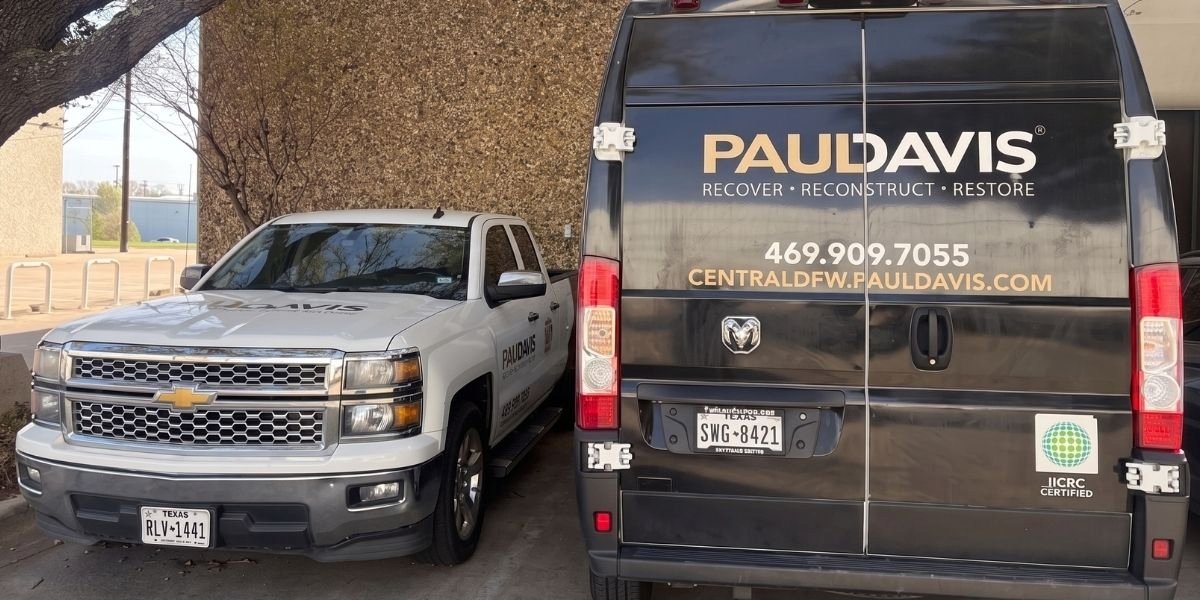
The Arlington, Grand Prairie, and DeSoto corridor features a mix of residential neighborhoods alongside institutional, corporate, and municipal properties—each with distinct restoration needs. Paul Davis Restoration of Central DFW is equipped to serve both sectors.

A Composed Team for Complex Losses

The company describes its brand voice as Service First with Compassionate Command, a calm and mission-focused approach carried over from military-style operations. “In a flooded or fire-damaged home, we show up as the composed professionals who say, ‘We have the watch. We’ll take it from here,'” the company said. That composure is paired with specialty capabilities including contents inventory and pack-out, asbestos abatement, trauma and crime scene cleanup, and odor and graffiti removal, services that go well beyond standard water and fire mitigation. In Grand Prairie, one of the company’s top target markets, that broader capability set is particularly relevant for institutional and municipal clients managing complex, multi-part losses.

Central Location, Rapid Response

The company’s central DFW location allows it to reach most of the surrounding area in 35 to 45 minutes, faster than the 60- to 90-minute window that applies across the broader Metroplex. “Rapid deployment helps prevent secondary damage, mold, and structural warping, which protects both timelines and budgets,” the company said. In Arlington, where several recent projects have involved plumbing failures during winter cold snaps, that response speed has made the difference between a contained leak and a much larger secondary damage claim.

Transparent, Carrier-Aligned Pricing

The company avoids traditional free sales visits in favor of a paid Professional Damage Assessment conducted by IICRC-certified technicians, a fee that gets credited back to the job if the client moves forward. “We manage claims from all major carriers, use industry-standard estimating, and offer direct billing to reduce customer stress,” the company said. As a member of The Good Contractors List, the company’s work is backed by a $25,000 warranty, an added layer of consumer protection uncommon among restoration providers. In DeSoto, where mold remediation scope can shift once a wall or ceiling is opened, that warranty gives homeowners extra confidence before work begins.

What Central DFW Clients Are Saying

Recent client feedback consistently points to professionalism and communication. Tom V. praised Raymond for showing up at 11 p.m. and getting started right away, calling the service fast, polite, and professional throughout. B P. described a technician who was professional and courteous during a plumbing investigation, never showing frustration while patiently answering every question. Brianna B. said the team arrived to do flood mitigation almost immediately after her pipes burst two days before Christmas Eve, then completed a full remodel in just 10 days after helping her work through a difficult back-and-forth with her insurance company.

Is Paul Davis Restoration of Central DFW certified for government and institutional contracts?

Yes. The company holds certification, positioning it as a strong fit for institutional, corporate, municipal, and government contracting requirements.

How quickly does the company respond?

Typical response time is 60 to 90 minutes across the broader DFW Metroplex, with a faster 35- to 45-minute window in areas closer to the company’s central location.

Does the company handle specialty services like asbestos abatement and trauma cleanup?

Yes. Beyond standard water, fire, and mold mitigation, the company offers contents inventory and pack-out, asbestos abatement, trauma and crime scene cleanup, and odor and graffiti removal.

What areas does Paul Davis Restoration of Central DFW serve?

The franchise serves Arlington, Grand Prairie, DeSoto, Dallas, Fort Worth, Duncanville, Cedar Hill, and surrounding communities throughout the DFW Metroplex.

Stay Connected With Paul Davis Restoration of Central DFW

For project updates and local news, homeowners and businesses can follow Paul Davis Restoration of Central DFW on Facebook and LinkedIn.

Paul Davis Restoration of Greater Portland, ME Highlights Its Fully In-House Team as Late Summer Fire and Storm Season Continues

Late summer in Greater Portland brings a mix of backyard cookouts, coastal storms rolling in off the Atlantic, and the kind of electrical mishaps that tend to spike once air conditioners, string lights, and outdoor entertaining season are all running at once. Paul Davis Restoration of Greater Portland, ME has built its local reputation around treating every one of those calls with urgency, whether it is a small kitchen fire or a flooded basement after a coastal storm. The franchise is led by Jeff Carron, who has shaped the business around a family-run culture and a team that keeps nearly every part of a restoration project in-house rather than farming it out to subcontractors.

A Team That Doesn’t Subcontract

According to Carron, the company’s approach starts with who shows up at the door. “Paul Davis is a family-run business in Portland that knows each customer is a neighbor in need, and we treat them that way,” he said. That philosophy extends to staffing, since the company hires and trains team members with skilled trade backgrounds rather than relying on subcontractors it does not directly manage. Every employee who enters a home or business is held to the company’s in-house standard, which the team says allows jobs to be completed with a higher degree of finish quality in a shorter time period. That matters in a city like Portland, where older housing stock and a mix of historic and newer construction can make fire and smoke damage repair more complicated than a standard rebuild.

Treating Every Call Like an Emergency

Carron is direct about how the team views its role. “We’re not in home repairs. We’re in emergency services, and that attitude permeates every decision we make,” he said, describing an approach built around matching the urgency of a first responder when a home or business experiences sudden damage. That mindset is backed by a workmanship warranty, an on-time warranty, and a parts-and-labor warranty on completed work. In coastal communities like Cape Elizabeth, where storm surge and heavy rain can push water into basements and crawlspaces with little warning, response speed often determines whether damage stays contained to one area or spreads through a structure.

Pricing Stability Built Around Insurance Partnership

One area Carron points to directly as a differentiator is pricing. The company positions itself as a preferred partner of insurance carriers, working within established pricing guidelines rather than submitting competing bids after a loss has already occurred. Because pricing is tied to an agreed scope of damage rather than a negotiated bid, the company says clients avoid the back-and-forth that can drag out a claim timeline. That structure applies across the service area, including storm-prone towns like Scarborough, where wind and coastal flooding events can affect many homes at once and where consistent, pre-established pricing helps keep claims moving during a high-volume season.

A Local Personality You Won’t Find Elsewhere

Beyond the technical side of the work, Carron said the company has intentionally built a distinct local personality into how it shows up in the community. The team has arrived at house fires in a converted food truck stocked with hot chocolate and blankets for displaced families, and it hands out dog waste bags that reference its sewage cleanup work, a small touch that has become something of a local calling card. The company also sponsors a baseball game at Hadlock Field where insurance agents and adjusters play and interact off the clock.

What Greater Portland Homeowners Are Saying

Client feedback consistently points to responsiveness and communication. Emma T. said she had a great experience with the company, noting strong communication and quality repairs completed in a timely manner. John and Johan L. described having their floors repaired after water damage, calling the team incredibly responsive and saying they could not be more pleased with the result. Vladimir C. praised the crew as knowledgeable and hardworking, adding that any issues that came up during the project were dealt with promptly and with care.

Frequently Asked Questions About Paul Davis Restoration of Greater Portland, ME

Does Paul Davis Restoration of Greater Portland, ME use subcontractors?

No. The company hires and trains its own team members with skilled trade backgrounds and holds every employee to an in-house standard, rather than relying on outside subcontractors for reconstruction work.

How does the company handle insurance pricing?

Paul Davis Restoration of Greater Portland, ME works within established insurance carrier pricing guidelines rather than submitting a separate bid, which the company says helps keep claims moving without prolonged price negotiations.

What should homeowners do immediately after a house fire?

Homeowners should contact their insurance provider and a restoration company as soon as it is safe to do so, since prompt cleanup of soot, smoke residue, and water used during firefighting can prevent additional damage to walls, flooring, and belongings.

What towns does Paul Davis Restoration of Greater Portland, ME serve?

The franchise serves Portland, South Portland, Cape Elizabeth, Scarborough, Brunswick, Freeport, Kennebunk, Old Orchard Beach, and dozens of surrounding communities across Cumberland and York counties in southern Maine.

Stay Connected With Paul Davis Restoration of Greater Portland, ME

For community moments and project updates, homeowners can follow Paul Davis Restoration of Greater Portland, ME on Facebook and LinkedIn.

Paul Davis Restoration of Mid-Central NJ Highlights Specialized Care for Continuing Care Communities and High-Trust Facilities

By: Sarah Collins

Restoration work inside a senior living community or an active school building carries a different level of complexity than a typical single-family home, since a crew has to work around residents, staff, and daily operations that can’t simply pause. Paul Davis Restoration of Mid Central NJ has built a specific commercial niche around that kind of high-trust environment, alongside its full-service residential work. The franchise is led by Doug Beimfohr, who has positioned the company’s approach around planning ahead of a crisis rather than reacting once one has already occurred.

Built For High-Trust Environments

On the commercial side, the company specializes in mitigation and restoration for continuing care communities, as well as schools and universities, sectors where disruption sensitivity and resident or student safety shape how projects must be scheduled and staged. That specialization is paired with a two to four-hour on-site response window, since timing matters most when water, fire, or mold affects a shared living or learning space. In Westfield, home to a mix of established residential streets and nearby commercial corridors, that response speed applies equally to a homeowner and a facility manager.

A Plan, Not A Pitch

Beimfohr describes the company’s broader approach directly. “While other restoration companies show up with a sales pitch, we show up with a plan to prevent future damage, saving our clients time and money,” he said, framing that proactive posture as one of the company’s core values rather than a one-off talking point. In Summit, where several recent projects have involved water heater and plumbing failures in finished basements, that forward-looking approach means addressing not just the visible damage but the conditions that allowed it to happen in the first place.

Concierge-Style Restoration From Start To Finish

The company says it fills a gap in the market for end-to-end, concierge-style service, handling everything from the initial inspection and insurance paperwork through subcontractor coordination and final cleaning, with interior design planning available for clients who want it. “We are trusted advisors to our clients and educate them along the journey, so they know how to safeguard their property going forward,” Beimfohr said. In Cranford, where several projects have followed storm-related flooding, that education piece often includes practical guidance on drainage and prevention once repairs are complete.

Transparent Pricing And A No-Fear Warranty

Every project comes with what the company calls Transparency Pricing, using Xactimate for both insurance-covered and self-pay clients to keep quotes consistent regardless of how a project is paid. Clients also get a dedicated representative reachable by text, along with daily progress updates that include photos, a response to what the company says is one of the most common complaints homeowners have about the restoration industry: feeling forgotten mid-project. Beimfohr also pointed to the company’s two-year guarantee as a differentiator. “If the problem we fixed returns within two years, we will come back and make it right at no cost,” he said.

What Mid Central NJ Clients Are Saying

Recent client feedback consistently points to communication as a defining strength. Stephanie M. described her mother’s experience after a storm flooded the house, saying the mitigation project manager explained every step in detail, kept the work area clean, and checked in regularly throughout the project. Joe L. praised the project manager’s professionalism after major water damage, noting the on-site team completed work on time and delivered outstanding results. Kathleen B. said her project manager went above and beyond to keep her informed and stayed in constant contact from the first call through the completed reconstruction.

Does Paul Davis Restoration Of Mid Central NJ Work With Continuing Care Communities And Schools?

Yes. The company specializes in commercial mitigation and restoration for continuing care communities, schools, and universities, where scheduling around residents, staff, or students requires additional planning.

What Does “Concierge-Style” Restoration Include?

It includes handling the full process from initial inspection through final walkthrough, coordinating subcontractors when needed, negotiating with insurance adjusters, and performing final cleaning, with interior design planning available on request.

What Is The No-Fear Warranty?

It is the company’s two-year guarantee stating that if a previously repaired problem returns within two years, the team will return and correct it at no additional cost.

What Areas Does Paul Davis Restoration Of Mid Central NJ Serve?

The franchise serves Westfield, Summit, Cranford, Union, Elizabeth, Edison, Woodbridge, Piscataway, and surrounding communities throughout Union and Middlesex counties in New Jersey.

Stay Connected With Paul Davis Restoration Of Mid Central NJ

For project updates and local news, clients can follow Paul Davis Restoration of Mid Central NJ on Facebook and LinkedIn.

Paul Davis Restoration of West Orange County, CA Brings Multilingual, White-Glove Service to the Coastal OC Community

By: Olivia Hughes

West Orange County’s coastal communities, from Huntington Beach to Seal Beach, blend beachfront homes with a large and culturally diverse population that includes significant Vietnamese, Korean, and South Asian communities across the region. Paul Davis Restoration of West Orange County, CA, is led by franchisee Ajay, who has built the local team around fast response and service that meets residents in the language they’re most comfortable using.

Multilingual Service for a Diverse Community

The company offers language assistance in English, Hindi, and Spanish, a detail that reflects the makeup of the communities it serves throughout West Orange County. Combined with 24/7 white-glove service and IICRC certification, that language accessibility is meant to remove one more source of stress for homeowners already dealing with property damage. In Huntington Beach, one of the company’s core target markets, that combination of certification and accessibility applies to both coastal properties and inland homes throughout the service area.

Rapid Response, Insurance-Ready

Given the company’s position in the greater Los Angeles and Orange County market, the team describes its typical response window as within 60 minutes, though the internal goal is tighter still: “we strive for 30 minutes.” The company works with all major insurance carriers and offers direct billing options to reduce the administrative burden on homeowners. In Garden Grove, home to a dense concentration of restaurants and mixed-use commercial buildings, that response speed matters most for the kind of kitchen fires and adjacent-unit smoke damage common in a tightly packed commercial corridor.

Specialized Slab Leak Detection

Beyond standard water, fire, and mold services, the company offers dedicated slab leak detection and repair, addressing a common issue in Orange County’s older concrete-slab homes, where aging pipes beneath the foundation can leak undetected for extended periods before damage becomes visible. In Westminster, where a mix of older and newer construction sits close together, that specialized detection service helps homeowners catch a slab leak before it causes extensive damage to flooring and cabinetry.

What West Orange County Clients Are Saying

Recent client feedback consistently points to responsiveness and continuity of care. Kyle W. said Paul Davis repaired smoke damage in his home a few years ago, and when a pipe broke in his wall recently, he called the same team again, with the same technician coordinating with his insurance company both times. Scafford S. praised the team’s promptness and professionalism, saying they guided him through the process with patience and made a stressful situation easier to manage. Nadia M. described reaching out about a kitchen leak and possible mold exposure, saying Ajay was able to get someone out almost immediately and that the technician answered every question with clarity and honesty.

Does Paul Davis Restoration Of West Orange County Offer Service In Multiple Languages?

Yes. The company offers language assistance in English, Hindi, and Spanish to serve the diverse communities throughout West Orange County.

How Quickly Does The Company Respond To A Call?

The team’s typical response window is within 60 minutes given the greater Los Angeles and Orange County market, with an internal goal of 30 minutes.

Does The Company Offer Slab Leak Detection?

Yes. The company provides dedicated slab leak detection and repair for homes with aging under-slab plumbing, a common issue in Orange County’s older concrete-slab construction.

What Areas Does Paul Davis Restoration Of West Orange County, CA Serve?

The franchise serves Huntington Beach, Westminster, Cypress, Costa Mesa, Fountain Valley, Garden Grove, Seal Beach, and surrounding coastal Orange County communities.

Stay Connected With Paul Davis Restoration of West Orange County, CA

For project updates and local news, homeowners and businesses can follow Paul Davis Restoration of West Orange County, CA on Facebook and LinkedIn.