Paul Davis Restoration of Metro East Illinois Streamlines Property Recovery with Comprehensive, Insurance-Coordinated Solutions

By: Olivia Hughes
Navigating property damage with a structured, single-source restoration process.
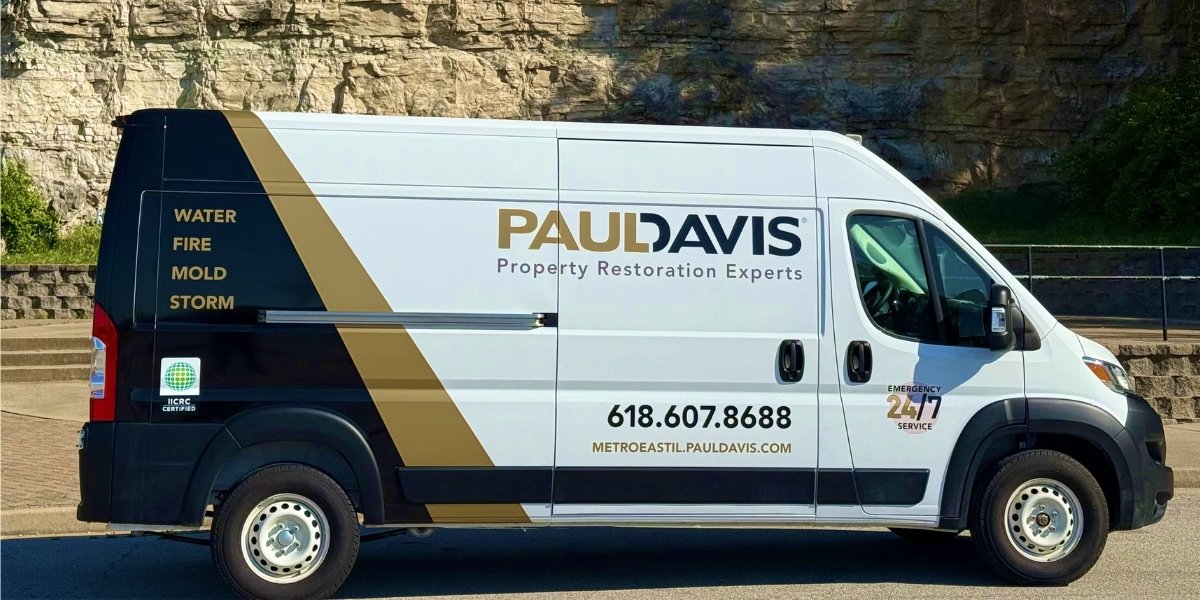
Property damage from unexpected events like broken pipes, flooding, or storms can disrupt a household or business. For property owners in O’Fallon, Edwardsville, and Belleville, the stress of dealing with water mitigation is often compounded by the challenge of managing multiple contractors and navigating complex insurance claims. Paul Davis Restoration of Metro East Illinois addresses these common industry challenges by offering a structured, start-to-finish restoration process that combines emergency mitigation, clear documentation, and coordinated reconstruction under a single point of contact.
Many property restoration companies focus on the initial emergency response and mitigation phase, leaving the property owner to find and manage separate contractors for the subsequent repair and reconstruction work. This fragmented approach can lead to miscommunication, extended project timelines, and increased stress for the client. The team at Paul Davis Restoration of Metro East Illinois aims to help fill this market gap by managing the scope of the project from the initial emergency call through the restoration and repair process.
By handling both the mitigation and rebuilding phases, the company helps reduce unnecessary handoffs, property downtime, and confusion for homeowners during stressful times. Property owners can learn more about these recovery options by visiting the Paul Davis Restoration of Metro East Illinois website.
Rapid Emergency Response and Certified Technical Expertise
When dealing with water, fire, or mold damage, prompt action is important to help prevent secondary damage and protect property value. The company provides 24/7 emergency services with a typical response time of 60 to 90 minutes, depending on the specific location and current weather conditions. This response model allows trained technicians to arrive on-site, stabilize the environment, and begin the cleanup process.
As a locally owned and veteran-owned franchise, the business combines the personal care of a local contractor with the resources, equipment, and training of a national network. The technicians are certified by the Institute of Inspection, Cleaning, and Restoration Certification, helping ensure that work aligns with recognized industry standards for safety and quality. The company offers free inspections and transparent estimates before work begins, allowing clients to understand the scope of the project without upfront financial obligations.
Streamlining the Insurance Claims Process Through Accurate Documentation
One of the more complex aspects of property recovery is dealing with insurance adjusters and helping claims move forward without unnecessary delays. The team specializes in residential and commercial restoration where detailed documentation and coordination with insurance carriers are important. By utilizing industry-standard documentation and estimating tools, the company works directly with major insurance carriers to help streamline the claims process.
The team assists clients by providing clear documentation, accurate estimates, and direct billing when applicable. This coordination helps reduce the administrative burden on the property owner and provides the insurance carrier with the information needed to process the claim. Clients frequently note the peace of mind that comes from this transparent approach.
For instance, client Tammi Eisenbraun shared her experience, stating:
“If I could give 10 stars, I would. A very stressful situation was made less stressful because Adam was professional, courteous, and followed through. I never had to question what was happening with the water mitigation. He was transparent each step of the process. If you need restoration services, you cannot go wrong by choosing this company!”
Commitment to Clear Communication and Community Service
The business prioritizes professionalism, empathy, and responsiveness from the first interaction. Under the leadership of Adam Rennegarbe, the team works to ensure that clients know who is responsible for their project and how to reach them. This dedicated point of contact helps reduce the communication gaps that often cause frustration in the restoration industry. The company also offers weekend appointments by request and features a wheelchair-accessible entrance and a free on-site parking lot to accommodate clients.
The company actively shares educational resources, seasonal property maintenance tips, and community updates online. Property owners can stay connected with the team, view recent projects, and access helpful tips by following their Facebook page. Video overviews of their services and restoration capabilities are also available on their YouTube channel.
Through a combination of emergency response, full-service project management, and direct insurance coordination, the company continues to support communities throughout the Metro East Illinois region, including ZIP codes 62269, 62025, and 62221. By focusing on a structured process from start to finish, the team helps families and businesses move through property recovery with greater clarity and support.