
Cocoa Prices Jump Over 5% on El Niño Risk as Food-Inflation Pressures Resurface

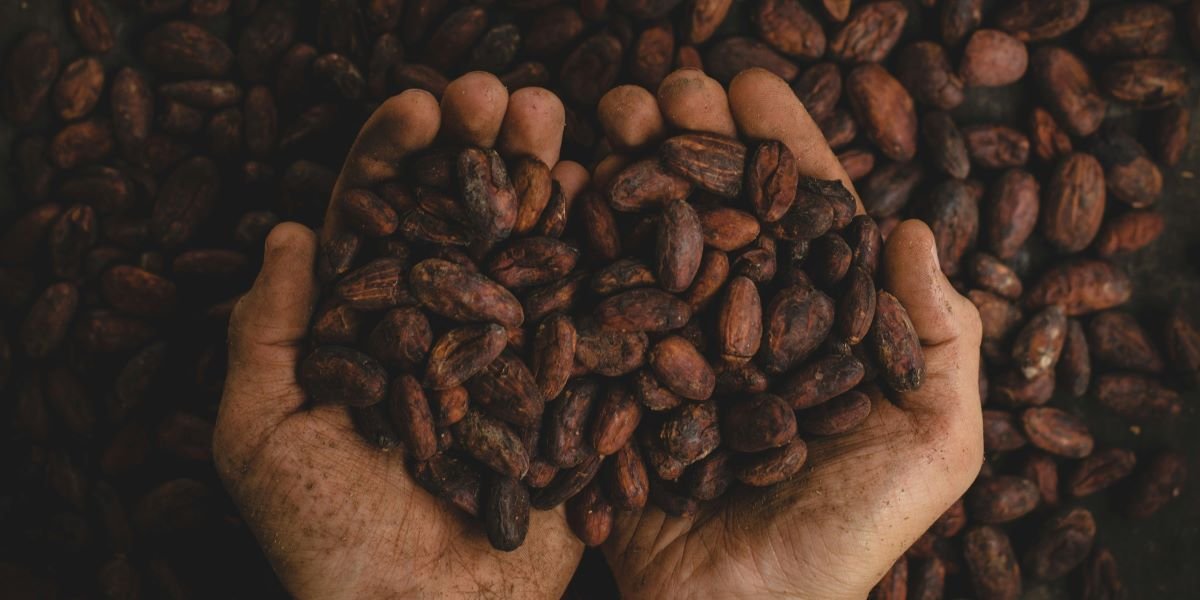
Cocoa futures surged on Tuesday as traders priced in the threat of an emerging El Niño weather pattern to West African production, a move that revived attention on soft commodities as a stubborn and underappreciated input into food inflation. July ICE New York cocoa closed up 213 points, or 5.47%, while July ICE London cocoa #7 rose 163 points, or 5.50%, according to exchange pricing compiled by Barchart.
The rally interrupted a stretch of weakness that had pulled the contract back toward multi-month lows, and it underscored how quickly weather risk can reassert itself in a market already operating on thin margins for error. For investors tracking the path of consumer prices, the day’s move is a reminder that the commodities feeding packaged-goods costs remain volatile even as headline inflation narratives focus elsewhere.
The Weather Trigger

Photo Credit: Unsplash.com
The immediate catalyst was meteorological. The U.S. National Oceanic and Atmospheric Administration has estimated an 82% probability that El Niño conditions will form between May and July and persist through year-end, with a roughly two-in-three chance of a stronger “Super El Niño.” For West Africa, which produces the majority of the world’s cocoa, El Niño typically brings warmer, drier conditions that can stress trees dependent on consistent rainfall and humidity.
The supply concern is not purely speculative. Early surveys of the 2026/27 West African crop show below-average cherelle formation, the small early-stage pods that mature into the main harvest beginning in October. Weak cherelle development is a leading indicator of a soft yield, and it has given traders a forward-looking reason to bid prices higher despite ample near-term supply.
A Market Pulled in Two Directions
What makes the current cocoa picture analytically interesting is the tension between bullish forward risk and bearish present-day fundamentals. On the supply side, the Ivory Coast, the world’s largest producer, has been shipping aggressively. Cumulative arrivals reached 1.66 million metric tons in the marketing year running from October 2025 through May 31, up about 1.8% year over year, and the country in mid-May raised its delivery estimate for the 2025/26 season to 2.2 million tons, up from a prior 1.8 to 1.9 million, citing favorable weather.
Inventories tell a similar story. ICE-monitored cocoa stocks climbed to a roughly 1.75-year high near 2.89 million bags this week, a buildup that ordinarily caps price gains. That combination of strong shipments and rising warehouses is why the contract had been drifting lower into late May before the weather narrative reasserted control.
The forward outlook is tightening, however. The commodities firm StoneX trimmed its 2026/27 global cocoa surplus estimate to 149,000 metric tons in late April, down from a January projection of 267,000, citing El Niño risk to the West African crop. A thinner projected surplus leaves the market more exposed to any production shortfall, which is precisely the scenario Tuesday’s buyers were positioning against.
The Consumer-Inflation Read
For markets-focused readers, the more durable signal lies downstream. Cocoa is a core input for chocolate manufacturers, and sustained price strength flows through to the cost structures of consumer-packaged-goods companies. The sector spent 2024 absorbing a historic spike, when futures briefly topped $12,000 per ton, and even after a sharp 2025 correction, prices remain well above the long-run average of roughly $2,500 per ton that prevailed in the prior decade.
The demand side has so far proven resilient. Recent earnings from leading chocolate makers Hershey and Mondelez International came in better than expected, suggesting consumers have continued buying despite elevated shelf prices. That resilience is a double-edged data point: it supports cocoa demand and prices, but it also signals that companies have retained pricing power, passing input costs through to households rather than absorbing them.
That dynamic is what links a single day’s move in a niche futures contract to the broader inflation picture. Soft commodities such as cocoa, coffee, and sugar rarely drive headline CPI on their own, but they contribute to the sticky food-at-home category that has kept overall inflation above the Federal Reserve’s 2% target. With the central bank already weighing whether its next move is a hold or a hike, persistent upward pressure on food inputs adds another complication to an inflation outlook that has refused to cool on schedule.
What to Watch
The near-term direction hinges on whether El Niño materializes as forecast and how severely it affects the October harvest. A confirmed pattern that meaningfully cuts West African output could push the market from projected surplus into deficit, the condition that would justify a sustained break higher. Until then, cocoa is likely to trade on the push-and-pull between heavy current inventories and a deteriorating forward crop, with each weather model carrying outsized weight. For investors, the contract has become a real-time gauge of how climate risk feeds into the cost of everyday goods.
Disclaimer: This article is for informational purposes only and does not constitute financial, investment, or trading advice. The information presented reflects publicly available data and market conditions as of the publication date and is subject to change without notice. Commodity prices, including cocoa futures, are volatile and past performance is not indicative of future results. MarketDaily and its contributors are not licensed financial advisors. Readers should conduct their own research and consult a qualified financial professional before making any investment decisions. MarketDaily assumes no liability for any losses arising from reliance on the information contained herein.
