Market Daily

Paul Davis Restoration of Northeast Texas Elevates Full-Service Property Restoration for Homeowners

By: Olivia Hughes

A Full-Service Model That Helps Reduce Stress for Families

When water, fire, storm, or mold damage strikes, the recovery process can often feel overwhelming. Paul Davis Restoration of Northeast Texas aims to help families move forward with a single, accountable team that manages every phase of the job from emergency response through complete reconstruction. This full-service approach can reduce handoffs, help keep timelines on track, and provide homeowners with confidence that one plan and one standard of quality guide the work from start to finish. As a locally owned and family-operated business that is veteran-owned and woman-owned, the organization is deeply rooted in service to the community and committed to providing dependable care around the clock.

Training, Certifications, and Documentation That Remove Guesswork

Paul Davis Restoration’s biggest differentiator is how seriously the entire team takes preparation. Technicians train extensively before they ever step into a customer’s home, including controlled exercises that simulate real water loss scenarios. This training culture builds muscle memory, so mitigation and rebuild steps are more likely to be executed with precision. Field teams document work thoroughly, follow proven protocols, and communicate each phase clearly. The result is a restoration process that is orderly and repeatable, rather than improvised in the moment.

IICRC Certification and Texas Mold Licensing

Paul Davis Restoration of Northeast Texas is an IICRC Certified Firm with technicians who follow recognized industry standards for safety and quality. The company is also a Licensed Mold Remediation Contractor in the State of Texas and maintains BBB Accreditation with an A+ rating. These credentials reflect a commitment to doing things the right way and give homeowners and adjusters confidence that mitigation, remediation, and reconstruction are handled with professional oversight.

Integrity, Communication, and One Point of Contact

In high-stress situations, trust is earned through everyday actions. Crews arrive prepared, maintain clean and organized work areas, and keep residents informed from the first walkthrough to the final inspection. Every project is led by a dedicated point of contact who explains what is happening, why it matters, and what comes next. The team’s operating standard emphasizes integrity at every turn. They do not pad damage estimates, they do not cut corners when jobs get difficult, and they do not disappear once equipment is set. Homeowners receive consistent updates and clear expectations so they can plan their lives while the work progresses.

Insurance-Friendly Estimates and Clear Scopes

Restoration often intersects with insurance, which means documentation quality may determine how quickly a family gets back to normal. Paul Davis Restoration of Northeast Texas structures estimates in line with insurance standards and prepares line-by-line scopes that are easy to review. This can help reduce friction, speed approvals, and minimize the chance of out-of-pocket surprises. Because the same team manages both mitigation and reconstruction, momentum is maintained throughout the project. Daily monitoring, detailed notes, and clean paperwork support smoother collaboration with adjusters and property managers.

What Local Homeowners Are Saying

Customer feedback highlights the value of speed, clarity, and care. Ashley Riordan shared that her experience “exceeded expectations.” She described how the team answered the phone during weekend hours, deployed a crew within hours, stayed professional and timely from start to finish, and took time to explain each step with empathy. She concluded that there is no other company she feels more comfortable trusting with water damage and mentioned that Steven Remy and his team are often praised as high-tier.

Jamal Khoury emphasized both responsiveness and responsible planning. He recommended Paul Davis Restoration and noted that owner Steven Remy helped create a plan that kept the project within budget. Other reviews mention technicians by name and praise fast arrivals, respectful communication, and job sites left clean at the end of each day. These themes reflect the company’s goal to restore more than structures. The aim is to restore order, trust, and peace of mind for every family served.

How to Learn More and Stay Connected

Homeowners who want to understand services or request help can visit the official site for Paul Davis Restoration of Northeast Texas for service overviews and contact information. Residents who prefer video walk-throughs and tips can explore the company’s YouTube channel for educational content and project highlights. Community updates, photos, and conversations with neighbors are available on the company’s Facebook page, a helpful place to see recent work and connect with the team.

Unlock Supply Chain Resilience: How IoT Transforms Distribution & Logistics

The rise of the Internet of Things (IoT) has reshaped industries, and one of its most significant impacts has been on supply chain management. By integrating IoT technologies into logistics and distribution, companies are unlocking new levels of resilience and efficiency. This transformation allows businesses to track inventory, monitor shipments in real time, and optimize their operations like never before. But how exactly is IoT changing the landscape of supply chain management, and what does it mean for the future of logistics?

How IoT is Revolutionizing Supply Chain Resilience

At its core, IoT involves connecting physical devices—such as sensors, RFID tags, and connected machines—to the internet, enabling them to send and receive data. For the supply chain, this means real-time tracking, inventory management, and predictive maintenance for equipment. These innovations have led to dramatic improvements in efficiency, visibility, and overall resilience.

By deploying IoT solutions, companies can monitor every aspect of the supply chain from warehouse floors to delivery trucks, allowing for faster decision-making and problem-solving. For example, smart sensors installed on trucks can track temperature, humidity, and the condition of goods in transit. If a shipment is at risk of spoiling or damage, businesses can take immediate action—minimizing losses and delays.

IoT has enhanced visibility, providing supply chain managers with detailed insights into stock levels, shipping routes, and delivery times. This allows companies to optimize inventory and ensure that products are delivered to customers faster and more reliably. The result? More resilient supply chains that can quickly adapt to disruptions such as natural disasters, strikes, or unexpected spikes in demand.

Real-Time Tracking and Inventory Management

One of the most impactful ways IoT is reshaping supply chains is through real-time tracking. RFID tags, GPS, and sensors are allowing companies to track products, containers, and even individual items as they move through the supply chain. This not only increases the accuracy of stock levels but also improves inventory forecasting.

With real-time data, supply chain managers can predict when products will run low and automatically order new stock before shortages occur. This “just-in-time” approach reduces the need for large inventory warehouses, saving companies money on storage costs and reducing the risk of overstocking.

Moreover, real-time tracking provides insights into delivery performance. Companies can track each stage of the delivery process, ensuring that shipments arrive on time and in optimal condition. In the case of delays, businesses can identify problems and reroute shipments, reducing downtime and preventing bottlenecks.

Predictive Analytics: A Key Tool for Proactive Supply Chain Management

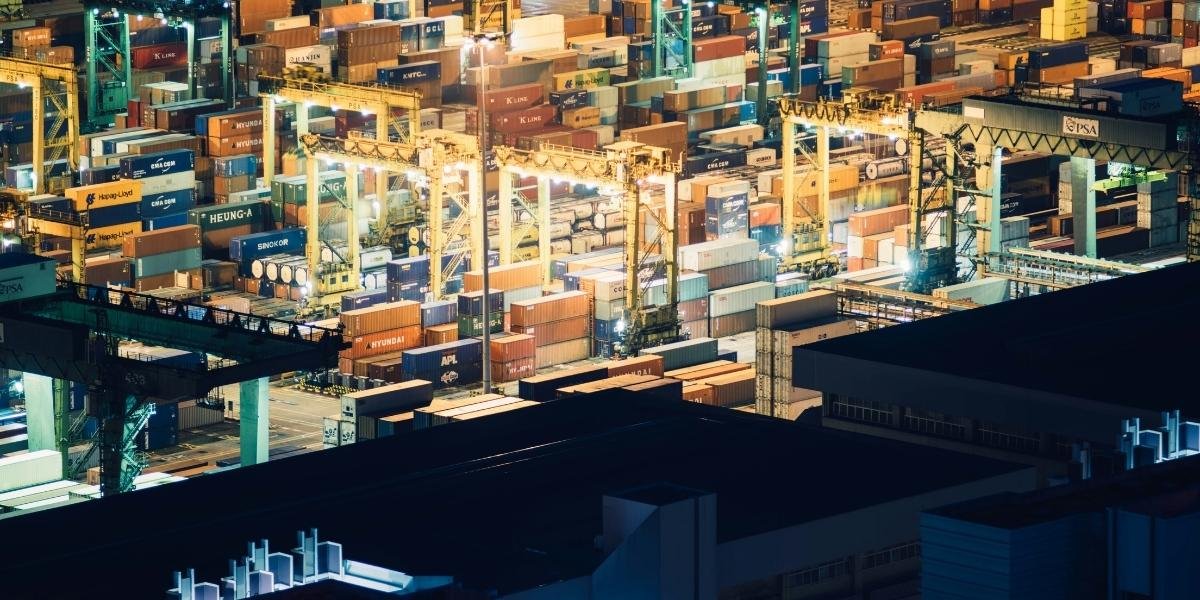
Unlock Supply Chain Resilience How IoT Transforms Distribution & Logistics

Photo Credit: Unsplash.com

With the integration of predictive analytics into IoT-enabled supply chains, businesses can not only react to problems as they occur but anticipate challenges before they happen. By analyzing historical data, IoT devices can forecast trends in demand, identify potential risks, and recommend proactive solutions.

For example, predictive analytics can signal when equipment is likely to fail or when traffic disruptions are expected along shipping routes. Armed with this information, companies can schedule maintenance, adjust routes, or redistribute stock ahead of time to avoid supply chain disruptions.

This level of foresight provides businesses with a competitive edge by ensuring that their supply chains remain efficient and agile, even in the face of unexpected challenges. As more data is collected and analyzed over time, the accuracy of these predictions continues to improve, making supply chains more resilient and less susceptible to external shocks.

How IoT Helps in Sustainable Logistics

Sustainability has become a major focus in global supply chain management, and IoT plays a pivotal role in helping companies reduce their environmental impact. By optimizing routes, monitoring energy consumption, and tracking emissions, IoT helps logistics companies reduce their carbon footprints while improving operational efficiency.

For instance, smart logistics platforms can identify the most fuel-efficient delivery routes in real-time, cutting down on unnecessary miles and lowering fuel consumption. IoT devices also track the condition of shipping containers to ensure that goods are transported in the most energy-efficient way possible.

IoT data can help companies optimize warehouse operations by controlling energy usage. Smart sensors can monitor temperature and lighting levels in real time, automatically adjusting to reduce energy waste. As sustainability becomes a more prominent concern in corporate strategies, leveraging IoT technologies to reduce the environmental impact of logistics is becoming increasingly important for businesses looking to improve their corporate social responsibility (CSR) credentials.

Challenges and the Future of IoT in Supply Chain

While the benefits of IoT in supply chain management are clear, there are also challenges to overcome. Data security is one of the biggest concerns for businesses implementing IoT solutions, as the increased connectivity of devices opens up potential vulnerabilities. Protecting sensitive information, such as shipment details, inventory levels, and customer data, is crucial for maintaining trust and avoiding costly breaches.

Integrating IoT devices into existing supply chains can require significant investment and coordination. Companies must ensure that their devices are compatible with their current systems, which may require upgrading legacy infrastructure or adopting new software platforms.

Despite these challenges, the future of IoT in supply chain management is bright. As technology continues to evolve and become more affordable, IoT solutions will become even more widespread. The rise of 5G networks, for instance, promises to accelerate the speed and efficiency of IoT data transmission, further enhancing the real-time capabilities of supply chains.

In the coming years, we can expect more industries to adopt IoT technologies, transforming their logistics operations and improving their supply chain resilience. Companies that embrace these advancements will not only stay competitive but also become leaders in the next phase of supply chain innovation.