Market Daily

How to Plan a Souvenir Store That Appeals to Tourists and Locals


Opening a souvenir store often begins with choosing a location. Tourist-heavy areas may seem ideal, but high visibility doesn’t always guarantee success. Rent costs in popular districts can be steep, and competition may be intense. A store placed near a landmark, museum, or transport hub might attract steady visitors without the overhead of a prime retail strip.

Foot traffic matters, but so does context. A shop near a quiet historical site may draw slower but more engaged customers. A beachfront kiosk might see seasonal surges. Understanding the rhythm of local tourism helps set realistic expectations. Some areas thrive during festivals or holidays, while others rely on year-round visitors.

Online presence also plays a role. A physical store can benefit from digital visibility. Tourists often search for local gifts before traveling. A simple website or social media page showing product highlights and store hours can help guide foot traffic. Some stores offer local delivery or pick-up options for online orders, which adds flexibility.

Location affects more than visibility. It influences rent, staffing needs, and inventory turnover. Choosing a spot that aligns with visitor habits and budget constraints helps reduce early pressure and supports long-term planning.

How Product Selection Reflects Local Identity
How to Plan a Souvenir Store That Appeals to Tourists and Locals

Photo Credit: Unsplash.com

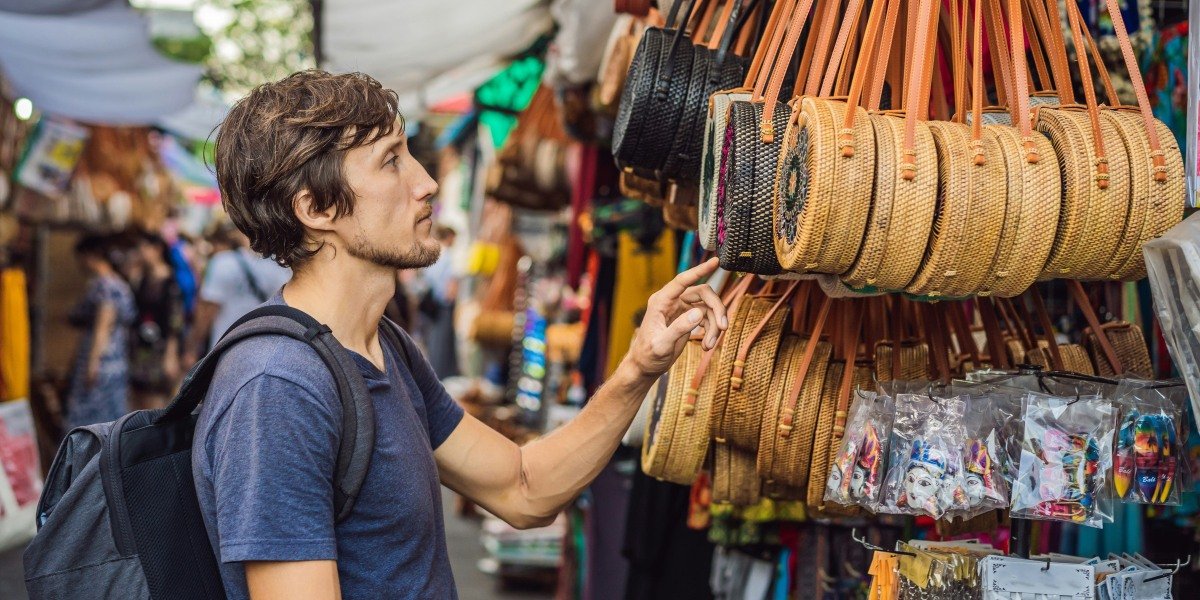
Souvenir stores often balance between familiar items and local character. Keychains, magnets, and mugs are common, but they don’t always stand out. Offering products that reflect the region’s culture, humor, or history can make a store feel more authentic.

Partnering with local artisans adds depth. Handmade crafts, regional snacks, or artwork inspired by local landmarks can appeal to visitors looking for meaningful keepsakes. These items may cost more to source, but they often carry stronger emotional value.

Product variety also matters. Some tourists shop for small tokens, while others seek gifts for family or friends. A mix of price points and styles helps reach different buyers. Seasonal items, like holiday-themed souvenirs or festival merchandise, can support short-term spikes in interest.

Inventory should reflect the store’s identity. A shop near a mountain trail might offer hiking-themed gifts. One near a historical site might stock replicas or educational materials. Matching products to location helps reinforce the store’s purpose and appeal.

Curating a thoughtful selection takes time. It involves listening to customer feedback, observing buying patterns, and adjusting stock accordingly. A store that feels connected to its surroundings is more likely to attract repeat visitors and word-of-mouth referrals.

How Costs and Operations Affect Sustainability

Running a souvenir store involves more than stocking shelves. Startup costs include rent, permits, initial inventory, and basic fixtures. Ongoing expenses cover staffing, utilities, restocking, and marketing. These costs vary widely depending on location and store size.

Some owners start small, using pop-up stalls or shared spaces. This approach reduces risk and allows for testing demand. Others invest in permanent storefronts, which offer stability but require more upfront capital.

Staffing needs depend on foot traffic and store hours. Tourist areas may require weekend or evening shifts. Hiring local workers can support community ties and reduce turnover. Training staff to understand products and engage with visitors helps improve customer experience.

Inventory management is another concern. Souvenirs often sell in bursts, especially during peak travel seasons. Tracking sales and adjusting orders helps avoid overstock or shortages. Some items may be perishable or trend-sensitive, requiring careful planning.

Marketing supports visibility. Flyers, signage, and online posts help attract attention. Collaborating with nearby businesses or tourism offices can expand reach. Offering small discounts or bundle deals may encourage impulse purchases.

Balancing costs with revenue takes patience. A souvenir store may not turn a profit immediately. Careful budgeting and realistic expectations help reduce stress and support gradual growth. For a breakdown of practical and financial considerations, Things to Consider Before Opening a Souvenir Store offers a clear overview of common challenges and planning tips.

How Visitor Behavior and Local Trends Influence Success

Tourist behavior isn’t always predictable. Some visitors browse without buying. Others make quick purchases before leaving town. Understanding these patterns helps shape store layout and product placement.

Impulse buying plays a role. Eye-catching displays near the entrance or checkout area can encourage last-minute decisions. Small, affordable items often sell well in high-traffic zones. Larger or more expensive products may require clearer signage or staff explanation.

Local trends also matter. A shift in tourism—such as more domestic travelers or eco-conscious visitors—can affect demand. Offering sustainable packaging or locally sourced goods may appeal to changing preferences.

Cultural sensitivity is important. Souvenirs should reflect the region respectfully. Avoiding stereotypes or misrepresentations helps maintain trust and attract thoughtful buyers. Including educational materials or stories behind products can add context and value.

Feedback supports improvement. Listening to customer comments, tracking reviews, and observing behavior helps refine the store’s approach. Adjusting based on experience supports long-term relevance.

Opening a souvenir store involves more than selling trinkets. It requires understanding location, curating meaningful products, managing costs, and responding to visitor habits. With careful planning and attention to detail, a store can become a memorable stop rather than a forgettable one.

Internal Links Used
Things to Consider Before Opening a Souvenir Store
https://marketdaily.com/things-to-consider-before-opening-a-souvenir-store/

How to Decide Between Selling or Holding Onto Your Vintage Cars

Vintage cars often carry more than mechanical parts and polished finishes. They represent personal memories, historical design, and a connection to a different era. These vehicles, typically manufactured between the 1910s and 1970s, are valued not only for their rarity but also for their emotional significance.

Some owners associate their cars with family milestones, road trips, or quiet weekends spent restoring them. These memories can make the vehicle feel irreplaceable. Even if the car isn’t driven often, its presence may offer comfort or pride.

Historical value also plays a role. Certain models reflect design trends or engineering shifts that marked turning points in automotive history. Collectors may seek out these cars for their craftsmanship or unique features. The appeal isn’t always tied to performance—it’s often about the story the car tells.

Deciding whether to sell or keep a vintage car involves weighing these emotional and historical factors. If the car holds strong sentimental meaning or represents a rare piece of automotive history, keeping it may feel more appropriate than letting it go.

How Maintenance and Storage Affect Ownership

Vintage cars require ongoing care. Unlike modern vehicles, they often need specialized parts and attention to remain functional. Maintenance may include sourcing rare components, working with experienced mechanics, or performing regular upkeep to prevent deterioration.

Storage is another consideration. These cars benefit from protection against moisture, sunlight, and temperature shifts. A garage or climate-controlled space helps preserve paint, upholstery, and mechanical integrity. Without proper storage, wear and tear can accelerate.

Costs can add up. Routine servicing, insurance, and restoration work may stretch budgets. Owners who no longer drive their vintage cars regularly may question whether the expense is justified. If the car sits unused and requires repairs, selling it might relieve financial pressure.

On the other hand, some owners enjoy the process of maintaining their cars. They view it as a hobby or a way to stay connected to automotive culture. In these cases, the effort and cost may feel worthwhile.

The decision often depends on available resources and personal interest. If maintenance feels burdensome or storage is limited, selling may be practical. If care is part of the enjoyment, keeping the car may still make sense.

How Market Conditions Influence Timing

How to Decide Between Selling or Holding Onto Your Vintage Cars (3)

Photo Credit: Unsplash.com

The value of vintage cars can fluctuate based on demand, rarity, and condition. Some models appreciate over time, especially if they’re well-preserved and sought after by collectors. Others may hold steady or decline, depending on trends and availability.

Selling during a strong market may result in higher returns. Auctions, private sales, and collector networks offer platforms for reaching interested buyers. Factors like originality, mileage, and documentation can affect pricing. A car with matching numbers and factory specifications may attract more attention than one with extensive modifications.

Keeping a vintage car may also be viewed as a long-term investment. Owners who maintain their vehicles carefully may see gradual appreciation. However, this isn’t guaranteed. Market interest can shift, and some models may lose appeal over time.

Lifestyle changes can also influence timing. If an owner no longer drives the car or has other financial priorities, selling may feel timely. If the car still brings enjoyment or fits into future plans, holding onto it may be preferable.

Understanding market conditions helps clarify options. Whether selling or keeping, timing can affect outcomes.

How Personal Use and Enjoyment Guide Decisions

Enjoyment is a key factor in deciding whether to keep a vintage car. Some owners continue to drive their vehicles on weekends, attend car shows, or participate in local events. These experiences offer connection and satisfaction. If the car still plays an active role in daily life or leisure, selling may feel premature.

Others may find that their interest has faded. If the car hasn’t been driven or maintained in years, and there’s no plan to change that, selling may open space for new interests. Letting someone else enjoy the car can feel more rewarding than letting it sit unused.

Some owners view their cars as part of a collection. Even if not driven often, the car may contribute to a broader passion for automotive history. In these cases, keeping the vehicle may align with long-term goals.

The decision to sell or keep often reflects personal priorities. If the car still brings joy or serves a purpose, keeping it may be worthwhile. If it feels like a burden or no longer fits into current routines, selling may offer relief and opportunity.

For a broader look at how vintage car ownership intersects with financial and lifestyle choices, Exploring the Value of Vintage Cars: Should You Sell or Keep Them? offers a detailed breakdown of both perspectives.

Internal Links Used
Exploring the Value of Vintage Cars: Should You Sell or Keep Them?
https://marketdaily.com/exploring-the-value-of-vintage-cars-should-you-sell-or-keep-them/

From Kits to Keycaps: Keyboard Customization as a Creative Hobby

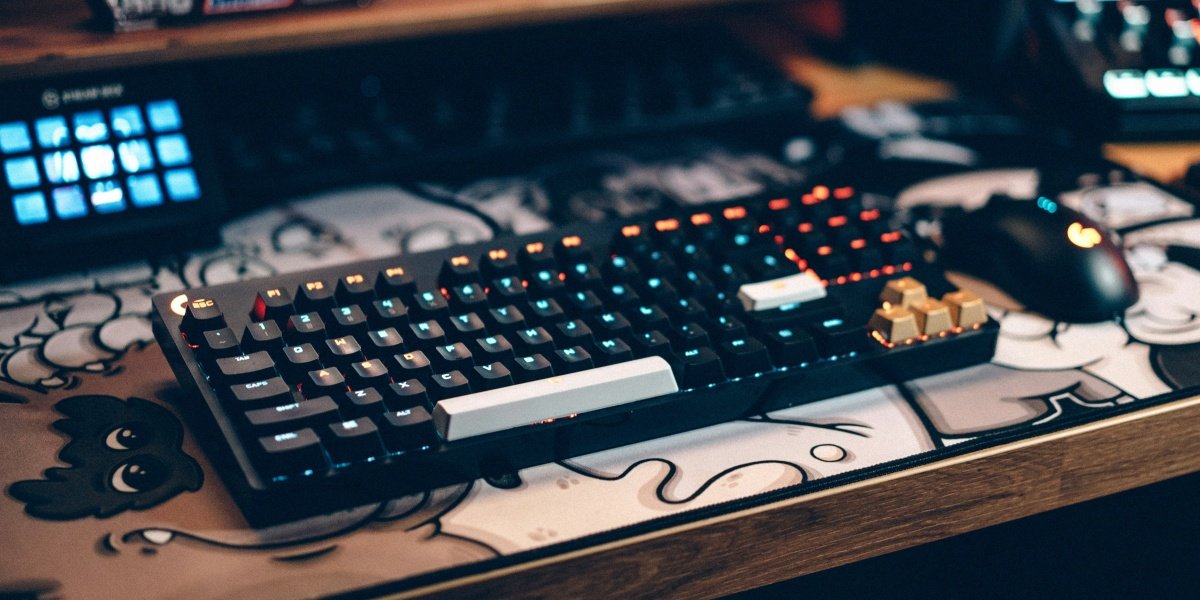
Keyboard customization has gained attention as users seek more control over their typing experience. While standard keyboards offer basic functionality, many people now prefer devices that reflect their habits, comfort needs, and visual taste.

This shift often begins with small changes. A person might swap out keycaps to improve texture or visibility. Others may adjust switch types to change how each key feels and sounds. These choices affect how typing feels over time, especially during long work sessions or gaming.

Customization also allows users to match their keyboards to their workspace. Some prefer muted tones and minimalist layouts. Others choose bold colors or themed designs. These decisions help create a setup that feels personal and familiar.

The appeal isn’t limited to aesthetics. Adjusting layout, key spacing, or wrist support can improve comfort. For those who type frequently, small changes may reduce strain and support better posture.

As more people work from home or spend extended hours at their desks, interest in tailored setups has grown. Custom keyboards offer a way to improve both function and enjoyment without replacing the entire device.

How Materials and Features Shape Experience

Modern custom keyboards include a wide range of materials and features. Keycaps, for example, are now available in plastic, metal, and resin. Each material offers a different feel, weight, and durability. Metal keycaps, often made from brass or aluminum, provide a heavier touch and longer wear.

Switches also vary. Mechanical switches come in types that click, glide, or resist pressure. Some users prefer tactile feedback, while others choose silent options for shared spaces. These switches can be swapped easily in many custom builds, allowing for experimentation.

Lighting is another feature. RGB backlighting lets users adjust brightness and color. Some setups include programmable effects that respond to typing or system activity. While not essential, lighting can improve visibility and add a sense of rhythm to typing.

Ergonomic designs are becoming more common. Split keyboards, curved layouts, and adjustable angles help reduce wrist strain. These features support comfort during long periods of use and may help prevent fatigue.

Wireless options have also expanded. Many custom keyboards now support Bluetooth and USB-C charging, allowing for flexible setups across multiple devices.

These features offer practical benefits. They help users build a keyboard that suits their routine, whether for work, gaming, or casual use.

How Communities and Makers Support Growth

Keyboard customization has grown through shared interest. Online forums, maker groups, and small businesses offer advice, parts, and inspiration. These communities help users learn about layouts, tools, and techniques without needing technical expertise.

Some people start with kits that include basic components. These kits often come with instructions and allow users to assemble their own keyboard. Others prefer pre-built options with customizable elements. Both paths offer room for learning and adjustment.

Designers and small brands contribute by offering unique keycap sets, cases, and accessories. These items often reflect themes, colors, or materials not found in mass-produced keyboards. Users can mix and match to create a setup that feels distinct.

Events and group buys also support growth. Limited runs of parts or themed collections encourage collaboration and shared interest. These experiences help build connection and offer access to items that aren’t widely available.

The customization trend isn’t driven by one group. It includes students, professionals, hobbyists, and casual users. Each person brings different needs and preferences, which helps expand the variety of options available.

How Sustainability and Design Influence Future Choices

Sustainability has become part of keyboard customization. Some makers now use recycled metals or biodegradable plastics to reduce waste. These materials offer durability while aligning with environmental values.

Design also continues to evolve. Smaller layouts, such as 75% or tenkeyless formats, save desk space and support ergonomic positioning. These designs retain essential keys while removing less-used sections, offering a balance between function and size.

Color choices have expanded. Keyboards now come in curated palettes that match modern workspaces. Users can choose from muted tones, bold accents, or themed collections. This variety supports personal expression without sacrificing usability.

Software integration has improved. Many custom keyboards now support programmable layers, macros, and lighting effects. These tools help users tailor their setup to specific tasks, whether writing, coding, or gaming.

As customization becomes more accessible, more people are exploring it. Whether through small changes or full builds, the process offers a way to improve comfort, express style, and support long-term use.

Keyboard customization reflects a shift toward personal control. It allows users to shape their tools to match their habits, values, and preferences. As materials, features, and community support continue to grow, this trend offers practical benefits for anyone who spends time at a desk.