
Market Daily

Effective Strategies for Personalization in Digital Marketing

In the contemporary digital era, characterized by an inundation of marketing messages, personalization has emerged as a crucial distinguishing factor. Personalized marketing is no longer a luxury but a necessity for businesses looking to stand out and connect with their audience effectively. 

Pioneers in this field, like 1Digital Agency, understand that crafting a personalized customer experience can significantly enhance engagement and boost sales. This article delves into the importance of personalization in digital marketing and explores various strategies and tools used to achieve it.

The Importance of Personalization in Digital Marketing

Enhancing Customer Experience

Personalization in digital marketing is all about creating a unique experience for each customer. By tailoring content, offers, and communications based on individual preferences and behaviors, businesses can make their customers feel valued and understood. 

This level of attention can significantly improve the overall customer experience, leading to higher satisfaction rates.

Driving Engagement and Sales

Tailored marketing not only enhances the overall customer experience but also has a direct influence on engagement and sales. People are more likely to engage with content that resonates with their particular interests and needs. This increased engagement often translates into higher conversion rates and sales, as personalized experiences tend to resonate more deeply with customers, encouraging them to take action.

Strategies for Personalization

Data Collection and Analysis

The foundation of any personalized marketing strategy is data. Collecting and analyzing customer data helps in understanding preferences, behaviors, and buying patterns. Businesses need to leverage various tools and platforms to gather this data, including website analytics, social media interactions, and customer feedback.

Segmenting the Audience

Once the data is collected, the next step is to segment the audience into different groups based on shared characteristics. This could be based on demographics, purchase history, browsing behavior, or any other relevant criteria. Segmentation allows for more targeted and relevant marketing efforts.

Tailoring Content

Content personalization involves creating content that appeals to different segments of your audience. This can be achieved by customizing email campaigns, product recommendations, and website experiences to suit individual preferences. Effective content personalization ensures that each customer receives information that is most relevant to them.

Tools and Techniques for Personalization

CRM and Marketing Automation

Customer Relationship Management (CRM) and marketing automation tools are essential for personalization. 

These tools help in storing and managing customer data, enabling marketers to automate personalized communications based on customer interactions and behaviors. 1Digital Agency, for instance, leverages these tools to create highly targeted and effective marketing campaigns for their clients.

AI and Machine Learning

Artificial intelligence (AI) and machine learning are progressively elevating the standard of personalization. These technologies can scrutinize extensive datasets to recognize patterns and anticipate customer preferences, enabling more precise and dynamic personalization.

Dynamic Content and Personalized Messaging

Dynamic content refers to web and email content that changes based on the interests or past behavior of the viewer. It is a powerful technique for personalization as it can significantly improve the relevance of the content for each individual. Personalized messaging, on the other hand, involves crafting messages that speak directly to the customer, often using their name or referring to past interactions.

Overcoming Challenges in Personalization

Balancing Personalization and Privacy

One of the biggest challenges in personalized marketing is respecting customer privacy. Businesses need to guarantee transparency regarding their data collection practices and empower customers by providing control over their own data. This balance is critical in maintaining trust and a positive brand image.

Ensuring Consistency Across Channels

Consistency is key in personalized marketing. Customers expect a seamless experience across all touchpoints, whether it’s the website, email, social media, or in-store interactions. Ensuring consistency in personalized messaging across these channels can be challenging but is essential for an effective strategy.

The Future of Personalization

As technology continues to evolve, so will the capabilities for personalization in digital marketing. We can expect to see more advanced use of AI and machine learning for predictive personalization, as well as increased integration of personalization in emerging technologies like virtual and augmented reality. Personalization will become more nuanced and sophisticated, offering even more precise and individualized customer experiences.

Effective personalization in digital marketing is not just about using customer data to create targeted messages. It’s about creating a holistic and individualized customer experience that resonates on a personal level. 

As an expert in the field, 1Digital Agency understands the nuanced approach required to implement successful personalization strategies. The future of digital marketing is intricately linked to brands’ proficiency in effective personalization, making it a crucial skill for any marketer aiming to create a substantial impact in today’s digital landscape. Businesses that embrace and excel in personalization will not only see increased engagement and sales but will also build stronger, longer-lasting relationships with their customers.
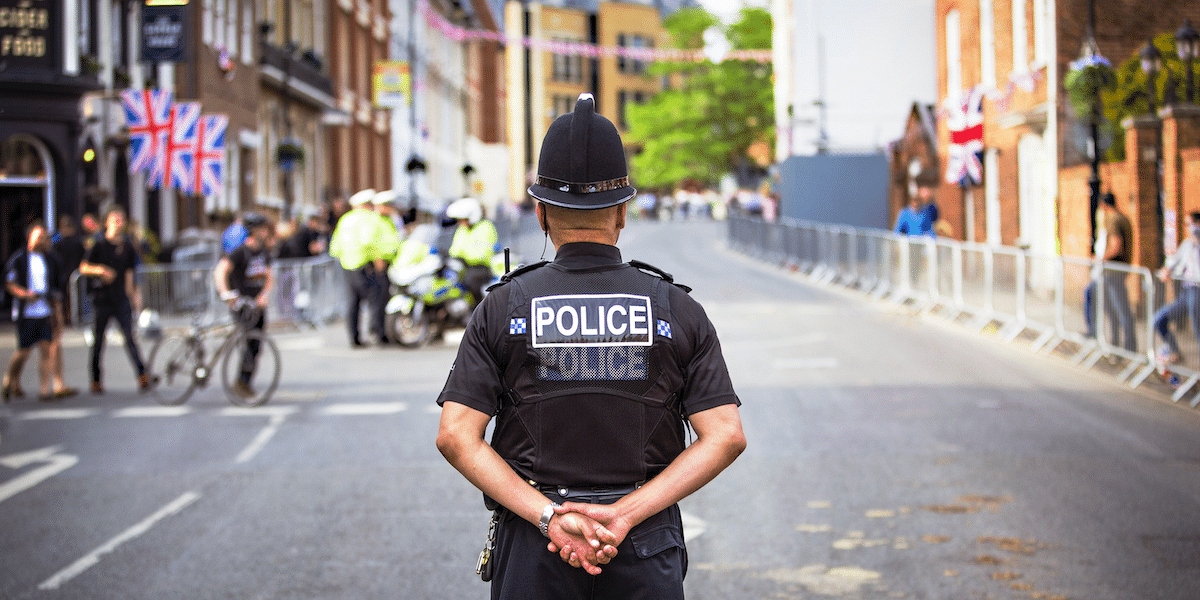
88 Tactical Explores Preparing Law Enforcement Officers for High-Stress Situations

Introduction to Mental Resilience in Law Enforcement

Law enforcement officers are often exposed to high-stress and potentially traumatic situations. The necessity of mental resilience in such conditions cannot be overstated. While physical skills are crucial, the psychological fortitude to handle intense scenarios is equally vital. 88 Tactical, a renowned organization in Omaha, understands this balance and offers comprehensive training programs focusing on the mental and physical aspects of law enforcement duties. These programs are designed to help officers cope with the unpredictable nature of their work. The emphasis on mental resilience also aids their long-term psychological well-being, a factor often overlooked in traditional training.

Understanding the Need for Mental Resilience

The role of a law enforcement officer is unique and challenging. Officers must make split-second decisions, often in life-threatening situations. This constant exposure to stress can lead to burnout, decision fatigue, and even post-traumatic stress disorder (PTSD). Mental resilience training helps officers manage these pressures effectively, ensuring they remain sharp, focused, and capable of making sound decisions under pressure. By building resilience, officers can also improve their ability to recover from stressful incidents. Additionally, this training can enhance their performance in everyday policing tasks, making them more effective.

Components of Mental Resilience Training:

Stress Management Techniques

Stress management is a core component of mental resilience training. Programs like those offered at 88 Tactical teach officers various techniques to handle stress, such as controlled breathing, mindfulness, and cognitive restructuring. These methods help officers to remain calm and composed, enabling them to think clearly during high-pressure situations. The training also includes practical exercises that simulate real-life scenarios, allowing officers to apply these techniques in a controlled environment. Moreover, these techniques are useful in professional contexts and benefit personal life, helping officers manage general stress and anxiety.

Situational Awareness Development

Another critical aspect of mental resilience is situational awareness. This involves being aware of one’s surroundings, understanding the context of the situation, and anticipating potential threats. Training programs focus on enhancing these skills, allowing officers to assess situations better and respond appropriately. Exercises in situational awareness often involve complex simulations that require officers to make quick, informed decisions. The goal is to develop a heightened sense of observation and intuition, essential skills in the field.

Emotional Regulation and Control

Law enforcement officers must often deal with emotionally charged situations. Training in emotional regulation helps them maintain a level head, avoiding overreaction or underreaction. Emotional control is crucial not just for the safety of the officers but also for the individuals they interact with. Sessions on emotional regulation often include role-playing scenarios and debriefing, which help officers understand and manage their emotional responses. This training is also beneficial in helping officers build empathy and improve their communication skills, which is essential for community policing.

The Role of 88 Tactical in Enhancing Mental Resilience

88 Tactical stands out as a leader in providing comprehensive training addressing law enforcement duties’ physical and mental aspects. Their programs are designed to equip officers with the skills needed to handle high-stress situations effectively. By combining realistic scenarios with expert instruction, 88 Tactical ensures that officers are prepared for the mental challenges they will face in the field. The organization’s commitment to mental resilience highlights its understanding of the modern challenges in law enforcement. Moreover, 88 Tactical continually updates its training methodologies to incorporate the latest research and best practices in stress management and psychological resilience.

Integrating Mental and Physical Training

The effectiveness of tactical training is significantly enhanced when mental resilience is integrated with physical training. This holistic approach ensures that officers are not just physically capable but also mentally prepared to handle the complexities of their job. Training programs are structured to merge these two critical aspects, providing a balanced and thorough officer preparation. This integrated training approach ensures that officers are well-rounded and capable of handling their profession’s physical demands and mental stresses. It also encourages a more compassionate approach to law enforcement, where officers are trained to be as empathetic as they are vigilant.

Testimonials from Law Enforcement Officers

Many officers who have undergone training attest to the benefits of mental resilience training. They report feeling more confident and prepared for high-stress situations. The training has not only improved their performance on the job but also their overall well-being and mental health. Officers have shared stories of how the training helped them in critical incidents, where mental resilience was as important as tactical skills. Their feedback has been instrumental in refining training programs, ensuring they remain relevant and effective.

The Future of Law Enforcement Training

As the understanding of the importance of mental resilience grows, more law enforcement agencies are incorporating these aspects into their training programs. The future of law enforcement training lies in a balanced approach that equally prioritizes mental and physical preparedness. Organizations like 88 Tactical are leading the way in this new era of comprehensive training. This shift towards a more holistic training model is a positive step towards developing well-equipped, resilient law enforcement officers. It also signifies a broader recognition of the mental health challenges inherent in policing and a commitment to addressing them proactively.

Conclusion: A Deeper Approach to Law Enforcement Training

In conclusion, the importance of mental resilience in law enforcement cannot be overstated. It is as crucial as physical preparedness. Training programs that focus on stress management, situational awareness, and emotional regulation are essential in preparing officers for the realities of their jobs. The new multifaceted training approach serves as a model for law enforcement agencies, highlighting the need for a holistic approach to officer training and preparation. By equipping officers with the tools they need to manage stress and maintain mental sharpness, we can ensure that they perform their duties effectively, safely, and with the highest level of professionalism. Ultimately, this approach leads to better outcomes for the officers, the communities they serve, and the law enforcement profession as a whole.